
Geographic Diversity Overview
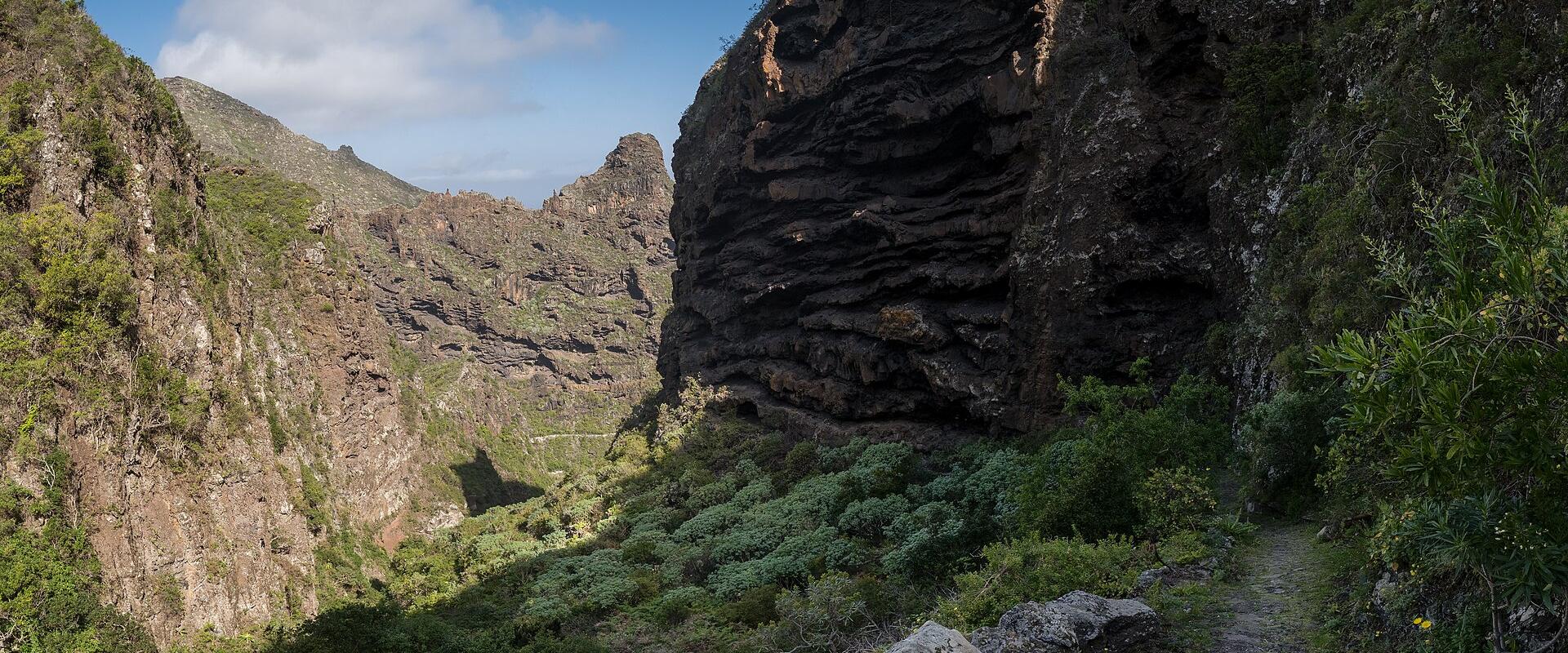
Spain offers distinct hiking environments across varied latitudes. The Pyrenees provide high-altitude trails in the northeast. These mountains feature rugged peaks and deep valleys. Hikers encounter significant elevation changes here. The Picos de Europa in the north present limestone karst landscapes. Trails wind through steep gorges and green pastures. This region demands sturdy footwear for rocky terrain. Sierra Nevada in the south hosts the highest peaks. Mulhacén reaches 3,479 meters above sea level. Snow persists on trails well into summer months. Coastal paths in Galicia offer lush, green scenery. Rain is frequent, requiring waterproof gear at all times. The Canary Islands present volcanic landscapes in the west. Teide National Park features unique high-altitude ecosystems. Trails range from coastal walks to summit climbs. Gear selection depends heavily on the specific region. Mountain areas require layers for sudden temperature drops. Southern trails need sun protection and hydration systems. Northern coasts demand rain-resistant clothing. The Canaries require sun protection and sturdy boots. Each zone presents unique physical challenges. Planning must account for local climate conditions. Elevation gain varies significantly between regions. Trail difficulty ranges from easy walks to technical climbs. Understanding these differences ensures a safer experience. Spain’s geography supports diverse outdoor activities year-round. Proper preparation is essential for each environment.
Iconic Long-Distance Routes
Spain’s long-distance hiking infrastructure is highly organized and culturally significant. The most famous network is the Camino de Santiago. This route spans over 800 kilometers across northern Spain. Hikers walk from various starting points to Santiago de Compostela. The Camino Francés is the most popular variant. It attracts hundreds of thousands of pilgrims annually. The path is well-marked with yellow arrows. Hostels, known as albergues, provide affordable lodging. This system supports a deep cultural tradition of pilgrimage.
Beyond the Camino, Spain maintains the GR (Gran Recorrido) trail system. These trails cover diverse landscapes from mountains to coasts. The GR-11 traverses the entire Pyrenees mountain range. It is approximately 800 kilometers long. Hikers can complete sections or the full route. The GR-121 follows the Mediterranean coast. It connects France to the Strait of Gibraltar. These trails are maintained by regional hiking federations. Signage is consistent and reliable across the country.
Infrastructure supports serious trekking in remote areas. Mountain refuges offer shelter in high-altitude zones. Local villages provide food and supplies along routes. Maps are detailed and widely available in Spain. The integration of trails with local communities is strong. Hikers experience authentic rural life while trekking. Safety standards are high due to regular maintenance. This network allows for extended, self-supported journeys.
Regional Highlights: North and South
Spain’s hiking landscape shifts dramatically from north to south. Climate dictates trail conditions and seasonal accessibility. The northern regions offer lush, green environments year-round. Picos de Europa provides rugged limestone peaks in Asturias. This area receives significant rainfall, creating dense forests. Trails here are steep and often muddy. Hikers must prepare for variable weather conditions. The Sierra de Cazorla in Andalusia offers a different experience. This southern region features arid, sun-drenched landscapes. Trails here are drier and more exposed to heat. Hikers should plan early morning starts in summer. The contrast is stark between the green north and dry south. Northern trails require waterproof gear and layers. Southern trails demand sun protection and extra hydration. Both regions offer distinct natural beauty. The north is ideal for spring and autumn. The south is best visited in cooler months. Trail difficulty varies by specific route chosen. Hikers should check local conditions before starting. Spanish trail markers are generally well-maintained. Signage is clear in major national parks. Local guides are available in major hubs. Hikers should carry sufficient water in summer. Sun exposure is intense in southern regions. Proper footwear is essential for rocky terrain. The diversity of Spanish landscapes is notable. Each region offers unique ecological characteristics. Hikers can experience diverse ecosystems in one country. The transition from north to south is gradual. Climate changes are noticeable over short distances. This variety enhances the hiking experience significantly. Spanish infrastructure supports long-distance trekking well. Signage is generally clear and well-maintained. Local authorities maintain trail standards effectively. Hikers can rely on established paths. The infrastructure supports safe and enjoyable hiking. Spanish trails are well-maintained and accessible. Hikers can explore diverse landscapes with ease. The infrastructure supports safe and enjoyable hiking. Spanish trails are well-maintained and accessible. Hikers can explore diverse landscapes with ease.
Practical Logistics and Safety
Spain’s climate demands specific gear preparation. Summer heat in southern regions like Andalusia is extreme. Hikers must carry ample water, at least three liters daily. Sun protection is critical. Use high-SPF sunscreen and wide-brimmed hats. UV levels are intense on high peaks. The Pyrenees and Sierra Nevada require layered clothing. Temperatures drop sharply at altitude. Winter snow persists on trails above 2,000 meters. Safety practices vary by region. Always check local weather forecasts before departure. Mountain rescue services operate via the 112 emergency number. Carry a physical map as signal is unreliable. Spain’s GR trails are well-marked with red and white paint. Coastal paths in Galicia can be slippery when wet. Volcanic terrain in Lanzarote offers loose footing. Pack sturdy boots with ankle support. Inform someone of your route and expected return time. Carry a basic first aid kit. Stay on marked paths to protect fragile ecosystems. Respect local grazing rights in rural areas.
Seasonal Planning and Accessibility
Spain’s diverse climate dictates strict seasonal hiking windows. Summer heat in Andalusia becomes extreme and dangerous. Hikers must avoid high-altitude trails during July and August. The Pyrenees offer the best conditions from June to September. Snow often blocks high passes until late June. Spring brings wildflowers but also unpredictable rain in the north. Autumn provides stable weather for coastal paths like the Camino del Norte. Winter is mild in the south but harsh in the mountains. Accessibility varies significantly by region. Major national parks require advance online permits during peak seasons. The Cies Islands limit daily visitor numbers strictly. Transportation to remote trails relies on regional buses or rental cars. Train connections are reliable in the north but sparse in the south. Hikers should verify local bus schedules before arrival. Many rural trails lack cell service. Download offline maps before departure. Permits for protected areas often cost between five and ten euros. These fees support trail maintenance and conservation. Always check official park websites for current regulations. Weather changes rapidly in mountainous terrain. Carry layers regardless of the season. Hydration stations are rare on long-distance routes. Plan water resupply points carefully. Respect local grazing rights and closed zones. Stay on marked paths to protect fragile ecosystems.