

Pre-Roman Foundations
The Iberian Peninsula hosted diverse indigenous cultures before Roman dominance. Major civilizations included the Tartessians, Iberians, and Celts. These groups established distinct regional identities across the land. Archaeological sites reveal significant Castro culture settlements in the north. Iberian settlements in the east show advanced urban planning. Phoenician, Greek, and Carthaginian traders established coastal colonies early. These foreign influences shaped local trade and political structures. Carthage expanded its control over southern and eastern Spain. The Punic Wars marked a critical historical transition. Rome defeated Carthage, ending its Spanish dominance. This shift integrated the peninsula into the Roman sphere. The transition altered local governance and economic systems significantly. Indigenous traditions blended with incoming Roman administrative structures. This period laid the groundwork for future cultural layers. The region’s complex history reflects these early interactions. Understanding these foundations is key to understanding Spanish heritage. The legacy of these early groups remains visible today. Their influence persists in local customs and place names. This deep historical context defines the region's unique character. It provides essential context for later historical developments. The interplay of cultures shaped the region's enduring identity. This historical depth offers valuable insights into Spain's past.
Romanization and Visigothic Rule
Rome conquered Hispania during the Punic Wars. The peninsula became a vital provincial entity. Roman infrastructure transformed local landscapes significantly. Major cities like Tarraco and Emerita Augusta flourished. These urban centers served as administrative hubs. Roads connected distant regions to the imperial core. This network facilitated trade and military movement. The Visigoths established their kingdom after Rome fell. They selected Toledo as their permanent capital. This decision centralized political power in the center. The Visigothic state developed unique legal frameworks. The Councils of Toledo shaped religious norms. These ecclesiastical meetings also addressed civil laws. They unified diverse populations under Christian doctrine. Administrative structures showed remarkable continuity from Roman times. Local governance retained many provincial practices. This stability influenced early medieval Spanish governance. The legal codes preserved Roman juridical concepts. Toledo became a center of intellectual life. Scholars debated theology and law in the capital. The Visigothic legacy endured despite Islamic conquest. Their administrative systems provided a foundation for later kingdoms. This period defined Spain’s early political identity. The integration of Roman and Germanic traditions created a distinct culture. This heritage remains visible in modern Spanish institutions.
Al-Andalus and the Reconquista
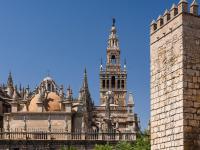
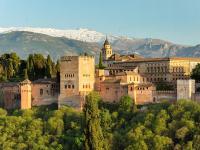
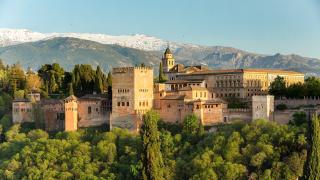
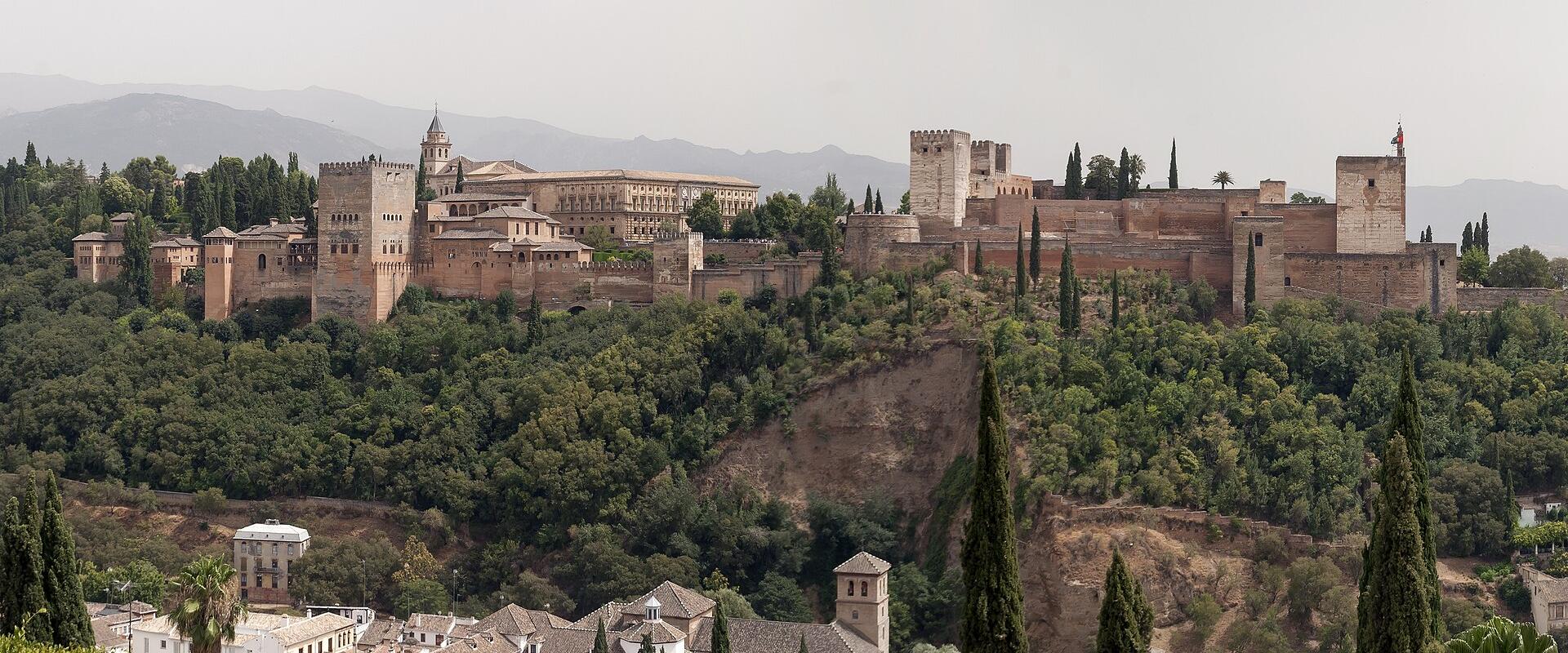
Islamic forces entered the Iberian Peninsula in 711. They established Al-Andalus, ruling for nearly seven centuries. This era fostered significant cultural and scientific advancements. Scholars like Maimonides contributed to this golden age. The period featured La Convivencia, a complex interfaith dynamic. Christians, Jews, and Muslims coexisted in shared spaces. Toledo exemplifies this layered historical narrative. Meanwhile, Christian kingdoms in the north expanded southward. This process, known as the Reconquista, shifted political power gradually. The Catholic Monarchs, Ferdinand and Isabella, unified Spain. Their reign culminated in the fall of Granada in 1492. This event ended Islamic political rule in the peninsula. The same year, the Alhambra Decree expelled Jews. This decree forced conversion or departure for Spain’s Jewish population. The unification launched Spain into a global empire. Architectural marvels like the Alhambra and Mezquita-Catedral remain. These sites physically demonstrate the region’s diverse heritage. They serve as tangible evidence of eight centuries of influence. The legacy of these civilizations defines modern Spanish identity. Visitors can explore these sacred sites today. The history is immersive and deeply rooted in the landscape.
Imperial Spain and Global Expansion
Ferdinand and Isabella unified Spain in 1492. This event launched global exploration. The Spanish Empire expanded rapidly across the globe. New World wealth flowed into Spanish ports. The Habsburg dynasty ruled during this peak era. Philip II expanded Spanish influence significantly. The empire controlled vast territories worldwide. The Spanish Inquisition enforced religious orthodoxy. The 1492 Alhambra Decree expelled Jewish citizens. This policy altered the demographic landscape. The Bourbons later reformed the state structure. Centralization strengthened the Spanish state's authority. These changes shaped modern Spanish politics. The cultural impact remains visible today. Heritage sites reflect this complex history. The Alhambra stands as a key monument. It represents the end of Islamic rule. The transition marked a significant historical shift. Spanish heritage is defined by these events. The legacy influences current cultural identity. Understanding this history is essential for visitors. The historical context shapes the national identity. This era defined Spain's global role. The imperial past remains central to heritage.
Modern Conflicts and Democratic Transition
Spain faced severe identity crises after losing its last colonies in 1898. This defeat triggered deep political instability. The Second Republic emerged in 1931, aiming for modernization. However, social tensions escalated rapidly into armed conflict. The Spanish Civil War began in 1936, devastating the nation. General Francisco Franco led Nationalist forces to victory in 1939. He established a strict dictatorship that lasted until 1975. His regime suppressed regional languages and political dissent heavily. Social structures remained rigid under his authoritarian rule. Franco died in 1975, ending the dictatorship. King Juan Carlos I initiated a peaceful transition to democracy. Political parties were legalized, and elections were held. The 1978 Constitution established Spain as a parliamentary monarchy. It recognized regional autonomy and civil liberties. Spain joined the European Economic Community in 1986. This integration accelerated economic modernization and political stability. The transition is widely regarded as a successful democratic model.