







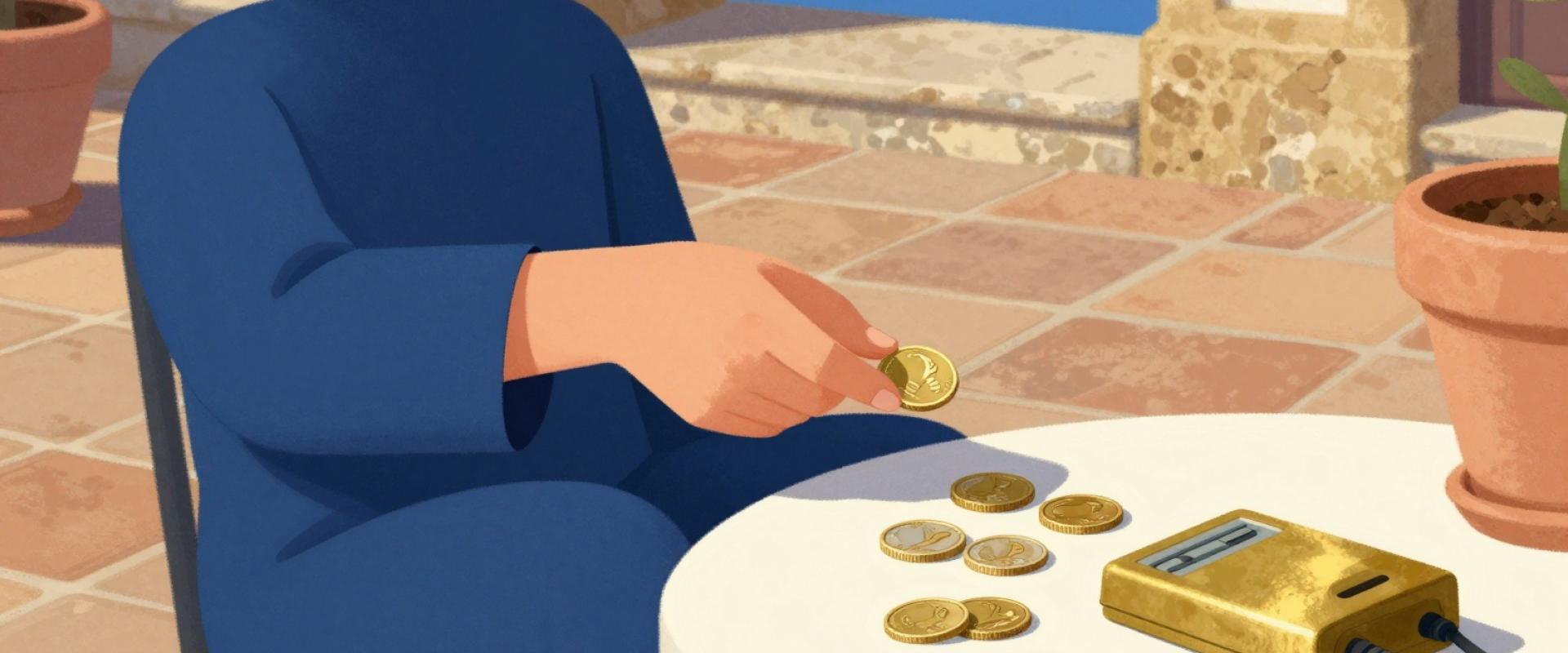
The Euro Standard
Spain uses the euro (€) as its sole legal tender. This standard replaced the peseta in 2002. The currency consists of eight coin denominations and seven banknote denominations. Exchange rates fluctuate daily against other major currencies. As of mid-2026, one euro equals approximately 0.88 USD. Travelers should withdraw cash from bank ATMs to avoid poor exchange rates. It is advisable to carry small denominations, such as €5 to €50. Larger notes, like €200, are often refused by vendors. While cash is useful for small vendors, contactless payments are common. Most urban establishments accept card payments without issue. Always choose to pay in local currency to avoid dynamic currency conversion fees. Tipping is not obligatory, as service charges are included. However, leaving a small tip is a common local practice. Always verify the total amount before finalizing any transaction.
Spain uses the euro (€) as its sole legal tender. Credit and debit cards are widely accepted in urban areas. Chip-and-PIN technology is the standard for transactions. Visa and Mastercard are the most common accepted brands. Always choose to pay in local euros. Avoid dynamic currency conversion to prevent high fees. ATMs are plentiful in cities and tourist zones. Withdraw cash from bank ATMs for better rates. Avoid exchange kiosks at airports due to poor rates. Carry small denominations like €5 or €10 notes. Larger notes, such as €200, are often refused by vendors. Inform your bank of travel plans before departure. This prevents cards from being blocked for security. Contactless payments are common for small, quick purchases. Cash is still essential for small vendors and markets. Tipping is not obligatory but is common practice. Always check receipts for the correct total amount. Plan withdrawals to avoid excessive transaction fees.
ATM Access and Fees
Use bank-affiliated ATMs in Spain for secure transactions. Avoid standalone machines in tourist areas to prevent fraud. These standalone units often lack proper security features. Always choose to withdraw in local currency, the euro. Declining dynamic currency conversion avoids high exchange fees. Bank branches offer the most reliable cash access. You can withdraw cash from ATMs located in shopping centers. Urban areas provide ample access to these financial services. Be cautious of skimming devices attached to card slots. Check for loose parts on the machine interface before use. Withdraw larger amounts less frequently to minimize fees. Small denominations are useful for tips and small vendors. Large notes may be refused by smaller merchants. This practice ensures smoother transactions throughout your stay. Always verify the transaction amount on the screen. Confirm the withdrawal is complete before leaving the machine. This caution protects your financial security while traveling.
Tipping Etiquette
Tipping in Spain is optional but appreciated. Service charges are often included in bills. This practice differs from countries with mandatory gratuities. Locals view tips as a gesture of appreciation. You are not obligated to tip for standard service. However, leaving a small amount is common for good service. Aim to leave 5-10% of the total bill. This percentage applies to restaurants and cafes. Always tip in cash. Hand the coins or bills directly to the server. Card tips are less common and sometimes difficult to process. Carry small denominations like €5 or €10 notes. Larger notes may be refused by some vendors. Round up the bill for taxi rides or bar tabs. This simple action serves as a polite thank you. Avoid over-tipping, as it can seem unusual. Spanish wages are structured differently than in the US. Staff do not rely on tips for income. Therefore, tipping is a bonus, not a requirement. Be mindful of this cultural nuance. It ensures respectful interactions with service staff. Always check the bill for included service charges first. If included, additional tipping is discretionary. This approach respects local economic norms.
Safety and Security Tips
Secure your cash in a hidden money belt. Spanish streets are crowded, increasing pickpocket risks. Keep large bills in hotel safes, not pockets. Displaying cash attracts unwanted attention. Use a hidden pouch for daily spending money. Withdraw only small denominations from bank ATMs. Large notes are often refused by vendors. Keep a copy of your passport separate from the original. Store the original in a secure hotel safe. Report any theft to local police immediately. File a report to support insurance claims. Always keep a copy of important documents separate from the originals. This ensures you can replace items if stolen. Remain vigilant in crowded tourist areas. Pickpockets target distracted travelers. Keep bags closed and in front of you. Do not leave valuables unattended. Use hotel safes for extra cash and passports. This minimizes loss risk. Stay alert when using ATMs. Choose bank-affiliated machines over standalone units. These are generally more secure. Avoid exchanging money at street kiosks. Rates are often poor and security is lower. Stick to banks or authorized exchange bureaus. This ensures better rates and safety. Always carry a copy of your passport. Keep the original in a secure location. This protects your identity if documents are lost. Remain cautious and aware of your surroundings. This is the best way to stay safe.