

The Soul of the Stage: Flamenco and Regional Roots
Spanish music reflects deep regional diversity. Andalusian flamenco is the most famous style. It features complex guitar work and emotional singing. This art form defines Spanish cultural identity. Northern regions offer distinct musical traditions. The gaita, a bagpipe, is central here. It accompanies folk dances in Galicia and Asturias. These styles differ significantly from southern flamenco. The gaita provides a unique, reedy sound. It connects communities through shared heritage. Cante jondo represents the soul of flamenco. This deep song style emerged from marginalized groups. It expresses profound sorrow and resilience. Listeners recognize its raw, unpolished emotion. It remains vital to Spanish identity. Regional festivals celebrate these musical roots. Travelers experience live performances in local plazas. These events preserve historical dance forms. Understanding these distinctions reveals Spain's true cultural depth. Music varies greatly from coast to coast. Each region maintains its own instruments. The contrast between north and south is stark. Flamenco dominates the south. Bagpipes dominate the north. This geographic divide shapes the national soundscape. Both traditions are equally important to Spanish heritage. They reflect the country's complex history. The diversity enriches the overall cultural experience. Travelers should explore both styles. Each offers a unique perspective on Spanish life. The music is an integral part of daily life. It is not merely entertainment. It is a core component of identity. Understanding this context enhances the travel experience. The music tells the story of the people. It preserves the history of the regions. It connects the past to the present. This continuity is essential to Spanish culture. The music is alive and evolving. It adapts to modern influences while keeping roots. This balance is key to its longevity. The music is a source of pride. It is celebrated across the country. It is a symbol of national unity. Despite regional differences, the music is shared. It brings people together in celebration. The music is a testament to resilience. It survives through generations of performers. It is a living tradition. It is not a museum piece. It is dynamic and changing. Yet, it remains true to its origins. This authenticity is its greatest strength. The music is a window into the soul of Spain. It reveals the depth of feeling. It shows the complexity of the culture. It is a gift to the world. It is a treasure to be cherished. It is a vital part of Spain. It is the soul of the stage. It is the heart of the nation. It is the voice of the people. It is the spirit of the land. It is the essence of Spain. It is the soul of the stage.
The Art of the Zapateado: Rhythm and Technique
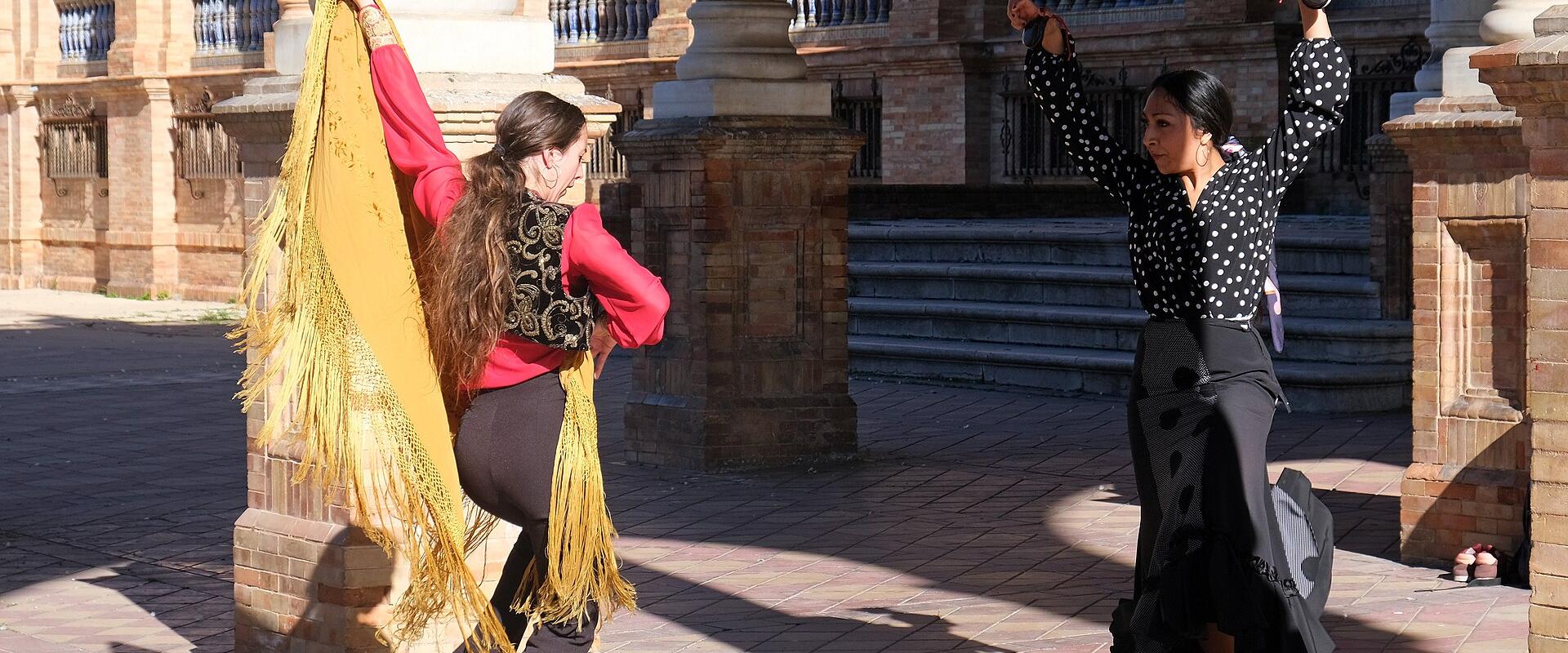
In the world of Spanish dance, the feet are not merely appendages but the primary instruments of expression. The zapateado is not merely a step; it is a percussive language where the dancer’s body becomes the instrument, striking the wooden floor to create complex, rhythmic patterns that rival any drum. This intricate dialogue between foot and floor requires immense physical discipline and precise technical control. At the heart of this art form lies compás, the intricate rhythmic cycle that serves as the heartbeat of the performance. It is a complex, pulsing framework that demands absolute internalization, requiring the dancer to feel the beat within their very bones rather than simply counting it. Mastering this technique is physically demanding, requiring immense strength in the ankles, calves, and core to maintain balance while executing rapid, intricate strikes. The sheer physical endurance required to sustain these precise, rhythmic strikes over the duration of a performance is a testament to the dancer's dedication. It is a fusion of athletic prowess and artistic expression, where every stomp, click, and tap is a deliberate choice, transforming the body into a living, breathing instrument of profound emotional and rhythmic depth.
Etiquette and Audience Etiquette: Respecting the Art
Spanish performances demand active, vocal participation. Unlike silent theater, audiences must engage. Vocalize appreciation with a sharp "¡Olé!" at key moments. This response is mandatory, not optional. It shows respect for the artist's skill. Do not remain silent during intense passages. Clapping is acceptable, but only at natural breaks. Do not clap during complex musical passages. This disrupts the rhythm and flow. Dress codes vary by venue type. Traditional tablao venues require smart casual attire. Avoid casual beachwear or flip-flops. These are considered disrespectful in intimate settings. For large concert halls, standard concert attire suffices. Always check specific venue rules online. Some historic theaters enforce strict dress codes. Arrive ten minutes early for seating. Late arrivals may be blocked from entry. This ensures the performance is not interrupted. Respect the silence between musical movements. Do not talk or use phones during these pauses. This silence is part of the artistic experience. It allows the audience to absorb the emotion. Always silence mobile devices before the curtain rises. This is a basic rule of etiquette. It applies to all classical and traditional performances. Respect the space and the performers. Your engagement enhances the collective experience. Do not stand during the performance unless invited. This disrupts the view for others. Remain seated until the final bow. Then, applaud enthusiastically. This concludes the shared artistic experience.
Tablaos offer intimate flamenco performances in small venues. These spaces prioritize close audience interaction. Shows typically last one hour. Tickets often include a drink or dinner. Prices range from twenty to fifty euros. Theaters host larger productions and classical concerts. Seating is fixed and formal. Performances usually begin at nine PM. Tickets cost between fifteen and eighty euros. Public festivals occur during local fiestas. These events are free and open to all. Music features traditional regional instruments. Dancers perform in streets and plazas. Festivals celebrate specific saints or harvests. They create a communal atmosphere. Travelers should check local event calendars. Schedules vary by region and season. Tablaos suit those seeking authentic dance. Theaters appeal to classical music fans. Festivals offer cultural immersion. All venues require advance booking in summer. Arrive early to secure good seats. Cash is rarely accepted at box offices. Credit cards are the standard payment method. Always verify opening hours before visiting. Some venues close on Mondays.
Practical Tips: Tickets, Timing, and Budgeting
Book tickets for popular tablaos in advance. Last-minute availability is rare in major cities. Arrive ten minutes early to secure seating. Late arrivals may miss the opening act. Venues often serve drinks with entry. Check if the cover charge includes a drink. Budget extra for additional beverages or tapas. Prices vary by city and venue prestige. Madrid and Seville offer the most options. Smaller towns may have limited evening performances. Always verify show times, as schedules shift seasonally. Spanish nightlife starts late, so evening shows begin after 9 PM. Weekend performances often sell out quickly. Online booking platforms provide real-time availability. Print digital tickets or save them offline. Some venues require ID for age verification. Bring cash for tips, though cards are accepted. Tipping is optional but appreciated for exceptional performances. Avoid street vendors selling unofficial tickets. These are often invalid or overpriced. Official box offices ensure valid entry. Check for student discounts if applicable. Many venues offer reduced rates for students. Bring a small bag, as large bags are prohibited. Security checks are standard at entry. Plan your return transport in advance. Late-night public transport may be limited. Book a taxi or use a ride-sharing app. This ensures a safe return to your accommodation. Plan ahead to avoid stress and ensure a smooth experience.