


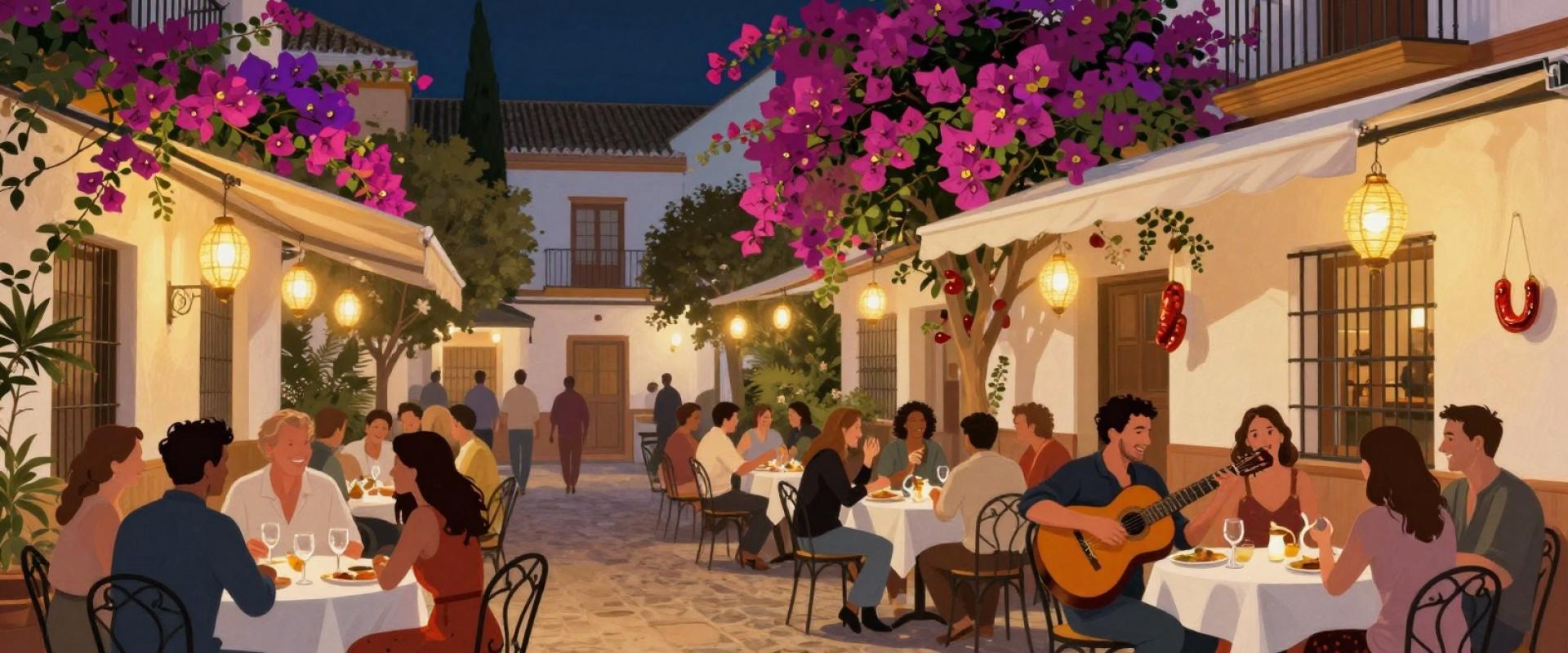
The Late-Night Rhythm
Spanish nightlife operates on a distinct temporal schedule. Dinner typically begins between 9 PM and 11 PM. This late start sets the pace for the evening. The 'aperitivo' phase serves as a crucial social warm-up. Patrons gather at bars for drinks and light snacks. This ritual facilitates conversation before the main event. Venues remain open well into the early morning hours. Clubs generally do not fill until after midnight. The peak energy occurs between 1 AM and 4 AM. Dancing continues until dawn at many popular venues. This reflects the outgoing nature of Spanish culture. Travelers must adjust their schedules to match local habits. Attempting to arrive early results in empty rooms. The rhythm prioritizes late socialization over early bedtimes. Understanding this timing prevents frustration for visitors. It allows for a more authentic experience. The nightlife scene mirrors the country's vibrant personality. Socializing is a central part of daily life. This cultural nuance defines the entertainment landscape. Planning ahead ensures a seamless evening out. The late start time is a cultural norm. It is not a sign of laziness. It is a structured approach to leisure. Embracing this rhythm enhances the travel experience. It allows for deeper engagement with local customs. The late-night rhythm is a key cultural element. It shapes the social dynamics of the night. Understanding it is essential for a complete experience. The late-night rhythm is a defining characteristic. It is central to the Spanish way of life. This structure supports the vibrant social atmosphere. It is a key aspect of the culture. The late-night rhythm is a key feature. It is a defining aspect of the culture. This structure is central to the experience. It is a key part of the culture. The late-night rhythm is a key element. It is a defining feature of the culture. This structure is central to the experience. It is a key part of the culture. The late-night rhythm is a key element. It is a defining feature of the culture. This structure is central to the experience. It is a key part of the culture.
Madrid’s Urban Pulse
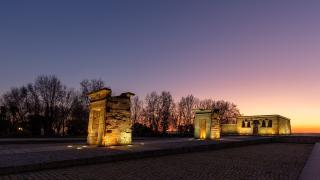
Madrid’s nightlife reflects Spain’s outgoing nature. Venues stay open until dawn. The city offers distinct neighborhood experiences. Malasaña provides bohemian and alternative vibes. This area attracts a younger crowd. Chueca hosts high-energy LGBTQ+ friendly clubs. These venues cater to diverse audiences. Salamanca features upscale, sophisticated lounges. Patrons seek refined service and ambiance. La Latina emphasizes street-party culture. Tapas hopping defines the evening routine. Flamenco venues offer cultural immersion. These spaces preserve traditional Spanish arts. Each district serves a specific demographic. Prices vary by location and venue type. Cover charges apply at major clubs. Drinks cost more in upscale areas. Public transport runs late on weekends. Walking is the primary mode of transit. Safety is generally high in tourist zones. Dress codes are enforced in Salamanca. Malasaña allows casual attire. Chueca welcomes all fashion styles. La Latina encourages relaxed clothing. Flamenco theaters require formal wear. Reservations are essential for popular spots. Walk-ins are accepted in La Latina. Hours shift based on the season. Summer nights extend later into the morning. Winter nights conclude earlier. Music genres range from electronic to traditional. Flamenco features live guitar and singing. Clubs play house and techno. Lounges offer jazz and classical. The contrast defines Madrid’s urban pulse. Visitors can choose their preferred atmosphere.
Barcelona’s Beach & Beat
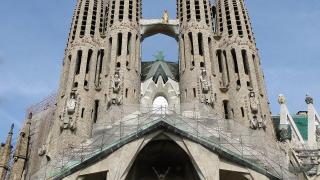
Barcelona’s nightlife blends urban energy with coastal relaxation. The city operates on a late schedule. Venues often stay open until dawn. The Gothic Quarter offers intimate, historic bars. These venues feature narrow streets and old architecture. El Born provides a similar historic atmosphere. It attracts a younger, trendy crowd. Poble Sec is known for affordable tapas. The street scene here is lively and social. Visitors can enjoy drinks at low prices. Razzmatazz is a major electronic music venue. It hosts world-class DJs and international acts. Pacha Barcelona also features top-tier electronic music. Both venues require tickets for entry. The Sónar festival is a major cultural event. It takes place annually in June. The festival showcases innovative electronic and pop music. Rooftop bars offer scenic views of the city. These spots are ideal for evening cocktails. They provide a relaxed alternative to clubs. Beach clubs near Barceloneta open in summer. They combine music with ocean views. Prices vary by season and venue. Reservations are recommended for popular spots. The city ensures safety in tourist areas. Police patrols are common in nightlife districts. Public transport runs late on weekends. Taxis are available throughout the night. This infrastructure supports the vibrant nightlife culture.
Andalusian Flamenco & Fiestas
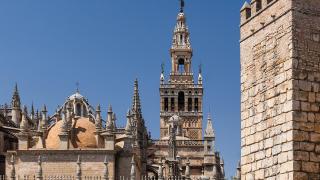
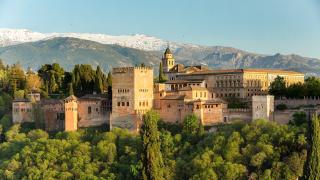
Andalusia defines Spanish nightlife through deep cultural roots. Seville’s Triana neighborhood hosts authentic flamenco tablas. These venues offer intimate performances of cante jondo. Spectators sit close to the artists. The atmosphere remains serious and respectful. Granada’s Albaicín district blends tapas with music. Patrons enjoy free tapas with drinks. This tradition encourages social interaction. Live music often accompanies the meal. Córdoba features hidden patios during festivals. These private gardens open to the public. Local festivals celebrate religious and historical events. The streets fill with processions and music. Traditional flamenco coexists with modern fusion clubs. Southern Spain embraces both old and new styles. Younger crowds frequent electronic music venues. Older generations prefer traditional tablaos. This duality creates a unique nightlife scene. Cultural immersion occurs through local participation. Visitors join in local dance traditions. Learning basic steps enhances the experience. Timing is crucial for authentic engagement. Events often start late in the evening. Patience is required for the slow pace. Andalusian nightlife prioritizes connection over speed. The rhythm dictates the social flow. Understanding this helps navigate the scene. Respect for the art form is essential. Flamenco is not merely entertainment. It is a profound emotional expression. Observing this depth enriches the visit. The region offers diverse nocturnal experiences. From quiet bars to loud clubs. Each venue reflects local identity. Travelers should explore beyond major cities. Smaller towns maintain strong traditions. These locations offer genuine cultural insights. The Andalusian night remains vibrant and alive.
Practical Tips & Etiquette
Spanish nightlife demands specific logistical preparation. Venues often require cash for entry fees. Smaller bars may not accept cards. Always carry sufficient euros for tips. Dress codes are strictly enforced in clubs. Wear smart casual attire to enter. Sneakers may be rejected at upscale venues. Choose elegant shoes and neat clothing. Security checks personal items at entry. This process ensures safety for all guests. Pickpockets target crowded dance floors and bars. Keep wallets in front pockets at all times. Use zipped bags to secure belongings. Vigilance is essential in busy areas. The pace of social life is late. Bars fill up after midnight. Clubs peak between 2 AM and 4 AM. Arrive early to avoid long queues. Embrace the late rhythm of Spain. Locals prefer personalized venue recommendations. Ask hotel staff or bartenders for advice. They know current trends and hidden gems. Consult trusted sources for accurate information. Generic guides often miss local nuances. Respect local customs during your visit. Tipping is appreciated but not mandatory. Leave small change for service staff. Enjoy the vibrant atmosphere responsibly. Stay hydrated and monitor your consumption. Spain offers diverse entertainment options nationwide. Plan your route between venues carefully. Public transport runs late on weekends. Check schedules before heading home. Safety remains a priority throughout the night.