
Beyond the Tourist Trail
Spain receives over 85 million annual visitors. Most crowd Madrid, Seville, and Barcelona. This guide highlights 27 lesser-known destinations. These spots offer an authentic Spanish experience. Regions like Extremadura and Aragon provide distinct alternatives. The Alpujarras and Cies Islands offer unique landscapes. Travelers can explore small towns and villages. Local boutique hotels anchor stays in these areas. This approach supports responsible, slow travel. You avoid the crowded tourist circuits. The experience focuses on local culture. You engage directly with the environment. This method reduces pressure on popular hubs. It supports local economies directly. The journey becomes more immersive. You connect with the true character of Spain. This approach is sustainable for the future. It preserves the integrity of local communities. The travel experience becomes more meaningful. You gain a deeper understanding of the region. This is the core of authentic travel.
The Green North: Galicia and Asturias
Step into the lush, emerald embrace of Spain’s northern coast, where the Atlantic’s misty breath breathes life into a landscape of dramatic cliffs and verdant valleys. Here, the air is thick with the scent of rain and sea, creating a unique, misty atmosphere that defines the region’s soul. This is the realm of ancient Celtic heritage, visible in the intricate stone architecture of ancient castros and the iconic hórreos, those raised granaries that dot the rural landscape like silent sentinels. The local cuisine is a hearty celebration of the land, featuring fresh seafood, tender pulpo a la gallega, and rich stews that warm the soul against the damp chill. Yet, beyond the scenery, it is the people who truly define this region. Known for their warm, welcoming nature, the locals offer a hospitality that is as genuine as it is heartfelt. Whether sharing a tapa in a bustling bar or exchanging a friendly buenos días on a quiet street, the community’s warmth invites you to slow down, savor the moment, and immerse yourself in the timeless, serene rhythm of northern Spain.
The Arid Soul: Extremadura and Andalusia
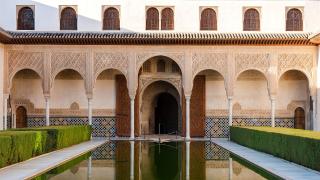
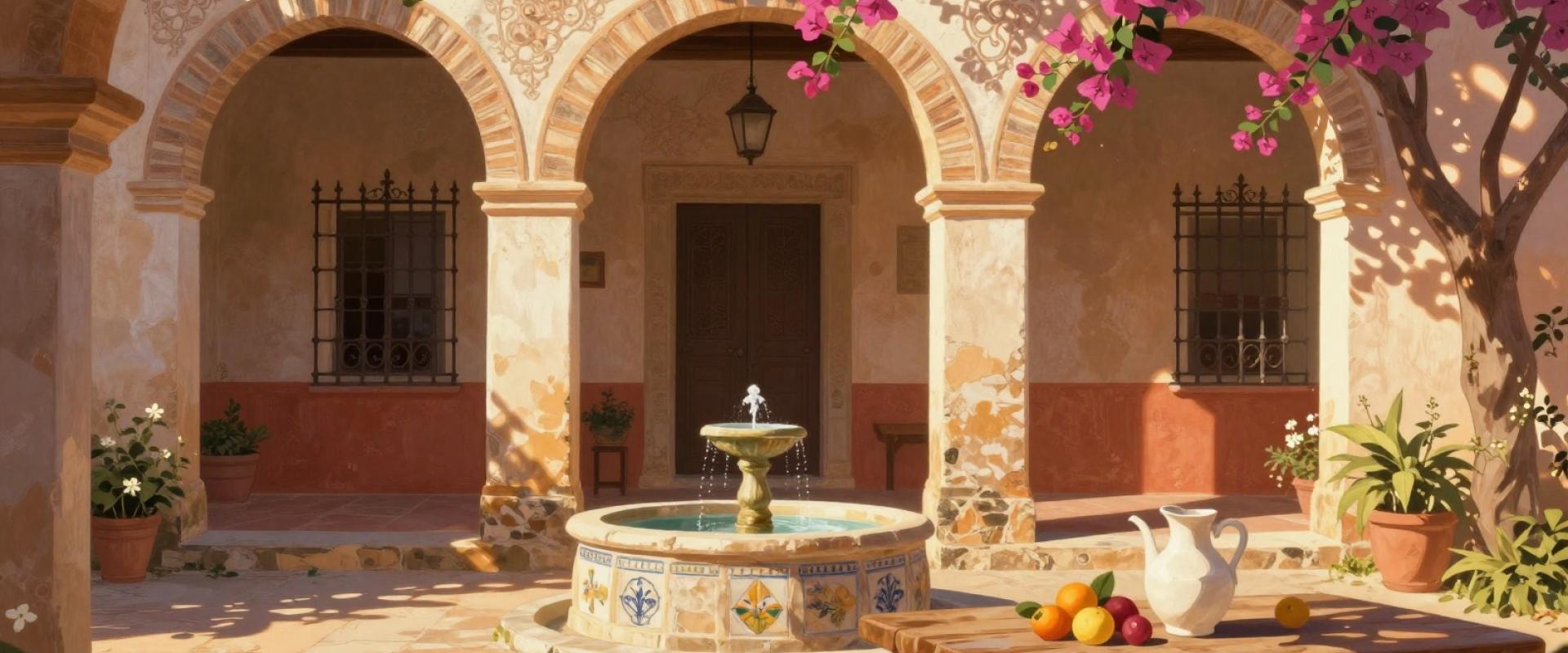
The southern landscape shifts dramatically from the green north. Extremadura and Andalusia offer an arid, sun-drenched contrast. White villages, or pueblos blancos, dot the rugged terrain. These towns feature whitewashed facades that reflect the intense heat. The architecture reflects a deep Moorish influence. Intricate tile work and arched doorways remain visible. This cultural heritage defines the region's unique character. The climate is hot and dry for much of the year. Local cuisine relies heavily on local, seasonal ingredients. Olive oil, garlic, and almonds form the culinary base. Dishes like salmorejo and gazpacho utilize local tomatoes. The region offers a distinct, authentic Spanish experience. Travelers seek the quiet charm of these inland towns. The pace is slower than in major coastal hubs. This area provides a true sense of place. The landscape is defined by olive groves and cork oaks. The air is dry and warm. This environment shapes the local lifestyle and traditions. The region offers a stark, beautiful contrast to the north.
Rent a car for flexibility. Public transport is limited in rural areas. Buses run infrequently between villages. A vehicle provides necessary independence. You can reach remote pueblos at your own pace. This flexibility is essential for exploration. Respect local customs and the siesta. Many shops close between 2:00 PM and 5:00 PM. Plan meals and visits around these hours. Respect is key to positive interactions. Engage with local culture and people. Greet shopkeepers with a simple buenos días. This small gesture builds trust and rapport. It opens doors to authentic experiences. Locals appreciate the effort to speak Spanish. Engaging with people enriches the travel experience. It provides insight into local traditions. You gain a deeper understanding of the region. This connection transforms a simple visit. It becomes a meaningful cultural exchange. The rural landscape offers more than scenery. It offers a chance to connect. Engage with the community around you. This approach ensures a respectful and rewarding trip. It honors the local way of life. This is the true spirit of travel in Spain.
Cultural Immersion and Local Traditions
Spain’s rural regions offer deep cultural immersion. Local festivals, or fiestas, define community life. These events celebrate local patron saints. They occur annually in small towns. Participants wear traditional attire. The atmosphere is communal and vibrant. Local markets, or mercados, are essential. They open early in the morning. Vendors sell fresh, local produce. You can buy fresh cheese, cured meats, and seasonal vegetables. Interacting with vendors is encouraged. Ask about the origin of the food. This builds trust and supports local farmers. It is a direct exchange of value. Supporting local businesses preserves regional traditions. It keeps local economies viable. Choose family-owned shops over chains. Buy local wine or olive oil. These products reflect the local terroir. Engaging with locals requires respect. Learn basic Spanish phrases. Greet people with a buenos días. This small gesture opens doors. It shows respect for local culture. Spanish people appreciate the effort. It fosters genuine human connection. You become a guest, not just a tourist. This approach deepens your understanding of the region. You experience the true spirit of the place. The interactions are more meaningful. You gain insights into local customs. This immersion enriches the travel experience. It creates lasting memories. The connections made are authentic. They reflect the true character of the people. This is the core of cultural immersion. It transforms a simple visit into a meaningful experience. You become part of the local community, even if briefly. This is the true value of travel.
Planning Your Authentic Adventure
Plan your route carefully. Spain’s rural areas require specific preparation. Public transport is limited in these regions. You must rent a car for flexibility. Buses run infrequently between small villages. A vehicle provides necessary independence. Research specific accommodations in advance. Stay in rural casas rurales for authenticity. This supports local communities directly. Plan for flexible travel days. Spanish life moves at a slower pace. Allow time for spontaneous local interactions. Engage with local traditions and fiestas. These events define the community rhythm. Respect local customs and quiet hours. Immersion requires patience and observation. Listen to local stories and advice. This deepens your understanding of the culture. The experience is richer when you slow down. Connect with the land and its people. This approach ensures a meaningful travel experience. It transforms a simple visit into a genuine connection. You will return with a deeper appreciation for Spanish heritage. This is the true value of off-the-beaten-path travel. It is not just about seeing places. It is about understanding the people who live there. This connection is the ultimate reward of your journey.