


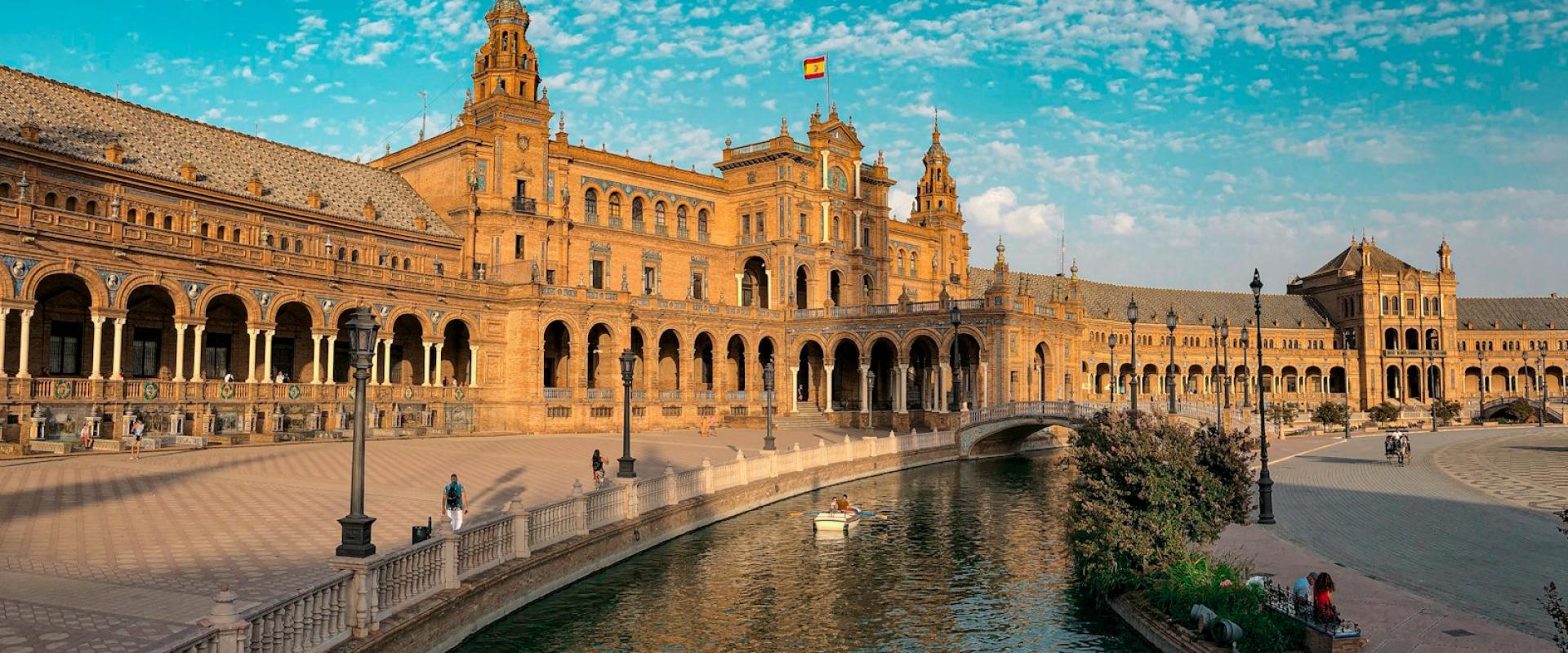
Strategic Route Planning
Spain’s geographic scale demands careful logistical planning for a one-week trip. Travelers must prioritize specific regions to avoid excessive transit time. The high-speed AVE rail network connects major cities efficiently. This system is the preferred transit method for speed and comfort. Booking train tickets in advance is essential for cost savings. Prices rise significantly closer to the departure date. Availability also decreases rapidly during peak tourist seasons. A standard one-week itinerary typically focuses on two primary hubs. Barcelona and Madrid offer the most direct connections. Spending three nights in Barcelona and four in Madrid is a common structure. This distribution allows for adequate exploration of each city. The distance between these hubs is approximately 620 kilometers. The AVE train covers this route in roughly two hours and forty-five minutes. This travel time is manageable within a short itinerary. Avoid attempting to cover multiple distant regions in seven days. The logistical strain will reduce the quality of the experience. Focus on efficient movement between the selected urban centers. Secure accommodation near major train stations for convenience. This strategy minimizes transfer time and maximizes sightseeing hours. Strategic planning ensures a balanced and feasible one-week journey through Spain.
The Classic Southern Circuit
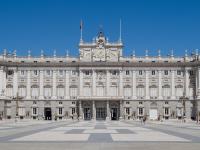
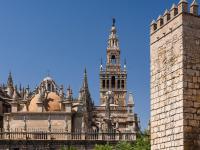
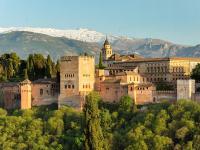
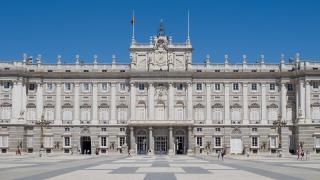
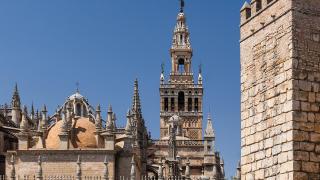
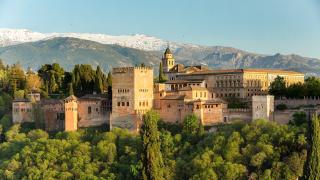
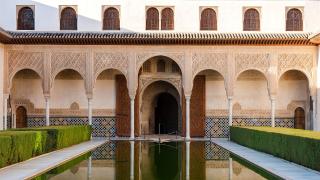
This route prioritizes Madrid, Seville, and Granada. It minimizes transit time between major hubs. The itinerary spans seven days. Day one begins in Madrid. You visit the Prado Museum. Afternoon hours explore the Retiro Park. Day two continues urban exploration. Visit the Royal Palace in the morning. Afternoons are free for local markets. Travel to Seville by high-speed train. The journey takes approximately two hours. Seville offers three full days. Day four focuses on the Alcázar. This Moorish palace requires advance booking. Day five explores the Seville Cathedral. The Giralda tower offers panoramic views. Day six involves a short trip to Jerez. You taste local sherry wines. Return to Seville for evening tapas. Day seven travels to Granada. The train ride takes two hours. Granada provides two days for history. Day eight is dedicated to the Alhambra. This Nasrid palace complex is essential. Book tickets weeks in advance. Day nine explores the Albaicín district. You walk narrow Moorish streets. The route ends in Granada. This structure balances culture and transit. It avoids backtracking across the country. You experience distinct regional identities. Madrid offers royal history. Seville provides Andalusian flair. Granada showcases Islamic heritage. The flow is logical and efficient. Transit times remain under three hours. This plan suits first-time visitors. It covers Spain’s most iconic sites. You gain a comprehensive overview. The pace is manageable for one week. No excessive packing or unpacking occurs. You stay in three cities. This reduces logistical complexity significantly.
Accommodation Logistics
Central locations save time and transit costs. Madrid travelers should stay in Centro, Malasaña, or La Latina. These districts offer walkable access to major sites. Seville visitors benefit from Santa Cruz. This area sits near the Alcázar palace. Proximity reduces daily transit expenses. Granada’s historic center offers the best value. The Albaicín district provides easy access to the Alhambra. Many historic buildings lack elevators. Travelers must check for elevator access. Stairs are common in older structures. This requires physical mobility. Booking in advance is essential. Peak season rates increase significantly. Early booking secures better rates. Central locations cost more but save time. Transit costs add up quickly. Staying central reduces daily transport expenses. The trade-off is higher accommodation costs. Budget travelers may need to compromise. Location convenience often outweighs lower prices. Short stays require efficient logistics. One week limits exploration radius. Staying central maximizes available time. Transit time reduces sightseeing hours. Prioritize location over luxury features. Walkable neighborhoods offer the best value. This approach minimizes transit fatigue. Efficient logistics enhance the overall experience. Spain’s historic centers are dense. Narrow streets limit vehicle access. Walking is the primary transport mode. Central hotels facilitate this mode. Remote hotels require frequent transit. This adds unnecessary complexity to the schedule.
Essential Travel Tips
Spain operates on a distinct daily schedule. Lunch typically occurs between 2:00 PM and 4:00 PM. Dinner does not begin until 9:00 PM or later. Restaurants often close between 3:00 PM and 7:00 PM. Plan meals accordingly to avoid hunger during siesta hours. Many smaller shops and museums close during this midday break. This custom is especially strict in smaller towns outside major cities. Always check opening hours before visiting specific sites. Major attractions like the Alhambra or Sagrada Família require advance booking. Tickets sell out weeks in advance during peak tourist seasons. Book online directly through official websites to secure entry. Walk-up tickets are rarely available at the gate. Carry small denominations of cash for smaller vendors. Many tapas bars and rural markets prefer or require cash. Credit cards are widely accepted in hotels and larger stores. However, small cafes may charge extra for card payments. Always carry some euros for tips and small purchases. This ensures smooth transactions in smaller, traditional establishments. Plan transit between cities with ample buffer time. High-speed AVE trains are efficient but require advance booking. Last-minute tickets are often sold out or significantly more expensive. Plan accommodation in central locations to minimize transit time. Madrid and Barcelona offer walkable districts for easy access. Stay in areas like Malasaña or La Latina for convenience. This reduces daily travel stress and maximizes sightseeing time. Prioritize key sites to avoid rushing through the itinerary. A one-week trip requires focused selection of destinations. Do not attempt to cover all of Spain in seven days. Focus on two or three major cities for a balanced experience. This approach allows for deeper cultural immersion and less fatigue.