
Spring: Blooming Landscapes and Mild Climates
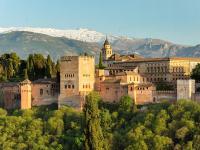
Spring brings mild temperatures to Spain, ideal for travel. Andalusia offers blooming landscapes during this season. The weather is generally pleasant for outdoor activities. Crowds remain smaller compared to the summer months. This allows for a more relaxed exploration of cities. Layered clothing is recommended due to variable temperatures. Mornings can be cool, while afternoons are warm. Spring is an optimal time to visit Spain. The floral displays are vibrant and widespread. Travelers can enjoy clear skies and comfortable heat. This season offers a balanced climate for sightseeing. It is an excellent time for cultural exploration. The mild weather supports long walks and tours. Spring is a prime time for visiting Spain.
Summer: Coastal Vibrancy and Festival Culture
July and August bring intense heat to southern regions. Temperatures rise significantly in the south. Northern areas remain temperate and more comfortable. Tourists flock to coastal areas during peak season. Accommodation demand is high in popular destinations. The siesta culture adapts daily routines to the heat. Many businesses close during the hottest afternoon hours. This pause allows for rest in the heat. Evening social life becomes vibrant as temperatures drop. Festivals celebrate local culture with late-night activities. These events define the summer social calendar. Travelers must manage heat exposure carefully. Hydration is essential for health and safety. Sun protection is necessary for all outdoor time. Plan activities for early morning or late evening. Midday is often too hot for strenuous activity. This schedule aligns with local daily rhythms. Navigating crowds requires advance planning for accommodation. Booking early ensures availability in popular coastal areas. The vibrant atmosphere is a key summer feature. Local festivals offer cultural immersion for visitors. These events highlight regional traditions and customs. The heat is a defining seasonal characteristic. Adaptation to local rhythms is essential for comfort. Travelers should respect local customs and schedules. This approach ensures a more authentic experience. The summer season is defined by heat and light. It is the peak time for tourism. Planning is essential for a smooth experience. The heat is a constant, manageable factor. Proper preparation ensures a comfortable and safe trip. The vibrant culture is best experienced locally. Local guides can provide valuable local insights. They help navigate the heat and crowds effectively. This local knowledge enhances the overall travel experience. The summer season is a time of celebration. It is a time for community and connection. The heat is a natural part of the experience. Embracing the local rhythm enhances the overall experience. The summer season is a time of joy. It is a time for relaxation and enjoyment. The heat is a natural part of the season. Embracing the local culture enhances the overall experience. The summer season is a time of celebration. It is a time for community and connection. The heat is a natural part of the season. Embracing the local culture enhances the overall experience.
Autumn: Harvest Seasons and Mild Weather
Autumn brings mild weather to Spain. Temperatures remain pleasant for travel. The harvest season begins in late summer. Grapes are harvested for wine production. Olives are collected for oil. These events define the autumn rhythm. Crowds diminish after the summer peak. Travel becomes more comfortable and less crowded. Cultural sites are accessible without large crowds. Rural tourism offers unique local experiences. Visitors can explore vineyards during harvest. Wine tasting opportunities are abundant. Harvest festivals celebrate the annual yield. Local traditions highlight agricultural heritage. The climate supports outdoor exploration. Mild temperatures allow for extended walks. Cultural events continue throughout the season. Travelers can enjoy local festivals. The atmosphere is relaxed and authentic. Spanish hospitality remains a key feature. The region offers diverse landscapes. Vineyards and olive groves dominate the view. The harvest is a significant cultural event. Travelers can participate in local traditions. The experience is authentic and immersive. Spain offers a unique autumn experience. The weather is ideal for travel. The cultural opportunities are extensive. The experience is memorable and distinct.
Winter: Alpine Adventures and Cultural Exploration
Winter offers diverse experiences across Spain. Alpine sports thrive in northern regions. The Pyrenees provide excellent conditions for skiing. Snow sports are popular in the north. Meanwhile, the south enjoys a mild climate. This weather is ideal for cultural exploration. Madrid and Seville remain accessible and warm. Visitors can explore museums without extreme heat. The Three Kings Parade is a unique tradition. It occurs in late January across the country. Local parades celebrate Epiphany with great enthusiasm. Crowds are smaller than in summer months. Prices for accommodation are generally lower. Travelers should pack warm clothing for northern trips. Layering is essential for cold mountain conditions. Southern regions remain pleasant for daytime sightseeing. This balance allows for flexible itinerary planning. Both adventure and culture are accessible options. The climate variation defines the winter experience. Travelers can choose based on personal preference. Warmth is available in the south. Adventure is available in the north. This duality defines the Spanish winter season.