

Strategic City Selection
For short trips, select one Spanish hub. Madrid, Barcelona, and Seville offer optimal infrastructure. These cities provide direct international flights. This reduces transit time significantly. Multi-region itineraries often waste valuable time. Travel between regions consumes precious hours. Focus on a single base for efficiency. Madrid offers extensive metro connectivity. Seville provides compact, walkable historic centers. Barcelona offers efficient metro and bus networks. Choose based on transport convenience. Prioritize cities with late-night public transport. This flexibility supports flexible evening plans. Avoid complex transit routes. Simple logistics reduce travel stress. Focus on one city per trip. This approach maximizes leisure time. Minimize transit time costs. Prioritize direct connections over complex routes. Efficient travel enhances the short break experience. Select a hub that aligns with your schedule. Ensure reliable transport links are available. This strategy ensures a smooth, efficient visit. Focus on quality over geographic breadth. A single, well-connected city is sufficient. This approach maximizes the value of your time. Prioritize efficiency in all travel planning decisions.
High-Speed Transit Logistics
Use Renfe AVE for efficient inter-city travel. This high-speed rail network connects major Spanish hubs. Madrid, Barcelona, and Seville are primary nodes. The AVE service operates on dedicated high-speed lines. Travel times are significantly reduced compared to driving. For short breaks, this efficiency is critical. Book tickets in advance to secure best rates. Prices increase closer to the departure date. Always verify specific station locations before travel. Madrid has two main stations: Atocha and Chamartín. Barcelona features Sants as the primary hub. Confusing these stations can cause significant transit errors. Always check the specific departure station on your ticket. Renfe offers various fare classes for flexibility. Basic fares are non-refundable but cheaper. Flexible tickets allow changes but cost more. Consider travel insurance for added protection. High-speed trains offer comfortable seating and Wi-Fi. Luggage storage is available at major stations. Plan transit time between station and hotel. Urban centers often require additional metro or bus rides. Always allow extra time for station navigation. Spanish rail transport is reliable and punctual. It is the preferred method for inter-city travel. Book early to ensure availability during peak seasons. Summer months see higher demand for rail travel. Always verify ticket details before boarding the train.
Optimized Itinerary Structuring
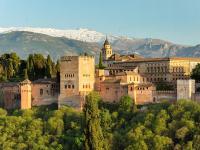
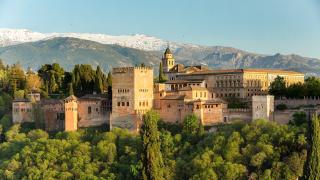
Spanish midday closures, or siesta, disrupt standard schedules. Plan indoor museum visits during these quiet afternoon hours. This strategy avoids peak heat and crowds. Schedule major sightseeing for early morning hours. This ensures access to popular sites before crowds arrive. Utilize the midday break for rest or local dining. Pre-book timed-entry tickets for major attractions like the Alhambra. This avoids long queues and guarantees entry. Verify opening hours for each specific site. Many smaller museums close between 1:00 PM and 4:00 PM. Plan indoor activities, such as museum visits, for this midday window. Use outdoor activities, like park walks, for the hottest afternoon hours. This aligns with local customs and heat patterns. Book timed entry tickets in advance for major sites. This prevents long queues and ensures entry. Check specific opening times for each attraction. Some sites close earlier in the off-season. Plan meals around local dining hours. Dinner often starts late, after 9:00 PM. Adjust your schedule to match local rhythms. This enhances the cultural experience. Prioritize key sites early in the day. This maximizes sightseeing efficiency. Rest during the hottest part of the day. This conserves energy for evening activities. Plan transportation between sites in advance. Public transport is efficient in major cities. Book train tickets in advance for inter-city travel. This ensures availability and better prices. Plan meals at local times. This provides an authentic cultural experience. Research specific opening hours for each attraction. This prevents disappointment from closed sites. Plan buffer time between activities. This allows for unexpected delays. Prioritize key sites early in the day. This ensures you see major attractions. Rest during the hottest part of the day. This conserves energy for evening activities. Plan meals at local times. This provides an authentic cultural experience. Research specific opening hours for each attraction. This prevents disappointment from closed sites. Plan buffer time between activities. This allows for unexpected delays. Prioritize key sites early in the day. This ensures you see major attractions. Rest during the hottest part of the day. This conserves energy for evening activities. Plan meals at local times. This provides an authentic cultural experience. Research specific opening hours for each attraction. This prevents disappointment from closed sites. Plan buffer time between activities. This allows for unexpected delays.
Accommodation Location Strategy
Select lodging near central transit hubs in Madrid or Barcelona. Proximity to metro stations saves significant commute time. Peripheral locations increase daily travel costs unnecessarily. Avoid hotels far from city centers. Late arrival schedules require nearby airport access. Choose accommodations close to AVE stations for efficiency. This minimizes transfer time between transport modes. Prioritize districts with high tourist density. These areas offer better dining and shopping options. Short breaks demand efficient routing. Wasting hours on transit reduces sightseeing time. Verify walking distance to key attractions. Use local maps to confirm proximity. Central locations justify higher nightly rates. The time saved outweighs the extra cost. Ensure easy access to late-night transport. This is crucial for flexible itineraries. Avoid remote suburbs unless driving. Public transit reliability varies by district. Research specific neighborhood connectivity before booking. Focus on logistical convenience over scenic views. Efficient location planning is essential for success.
Essential Booking Protocols
Book rail tickets at least two weeks in advance. Renfe AVE trains fill quickly during peak seasons. Pre-booking secures lower fares and guaranteed seats. Do not rely on last-minute purchases. Major attractions require advance online booking. The Prado Museum and Alhambra often sell out. Pre-booking ensures entry to these popular sites. Utilize city tourism cards for streamlined transit. Madrid and Barcelona offer comprehensive transit passes. These cards cover metro, bus, and tram travel. They provide cost-effective access to major sites. The pass includes entry to many museums. This option saves time and money. It eliminates the need for individual ticket purchases. Plan all transit and entry fees in advance. This strategy prevents unexpected costs and delays. Secure all necessary bookings before arrival. This approach ensures a smooth and efficient short break. It minimizes stress and maximizes sightseeing time. Prioritize essential bookings to optimize your itinerary. This method ensures a seamless travel experience throughout your stay in Spain.