

Defining Thematic Travel
Themed journeys in Spain organize travel around specific cultural or historical interests. This approach structures itineraries for deeper engagement with local heritage. You might follow the Camino de Santiago for religious history. Alternatively, explore Moorish architecture in Andalusia through dedicated city tours. Structured thematic travel saves time by grouping relevant sites logically. It reduces decision fatigue for visitors navigating complex regions. This guide outlines practical frameworks for these specialized trips. We focus on logistical planning rather than general sightseeing. You will find details on route durations and key stops. The aim is to provide actionable data for your trip. This ensures a coherent experience aligned with your specific interests. Thematic travel transforms a standard visit into a focused study. It connects disparate locations through a single, unifying narrative thread.
Culinary Route Planning
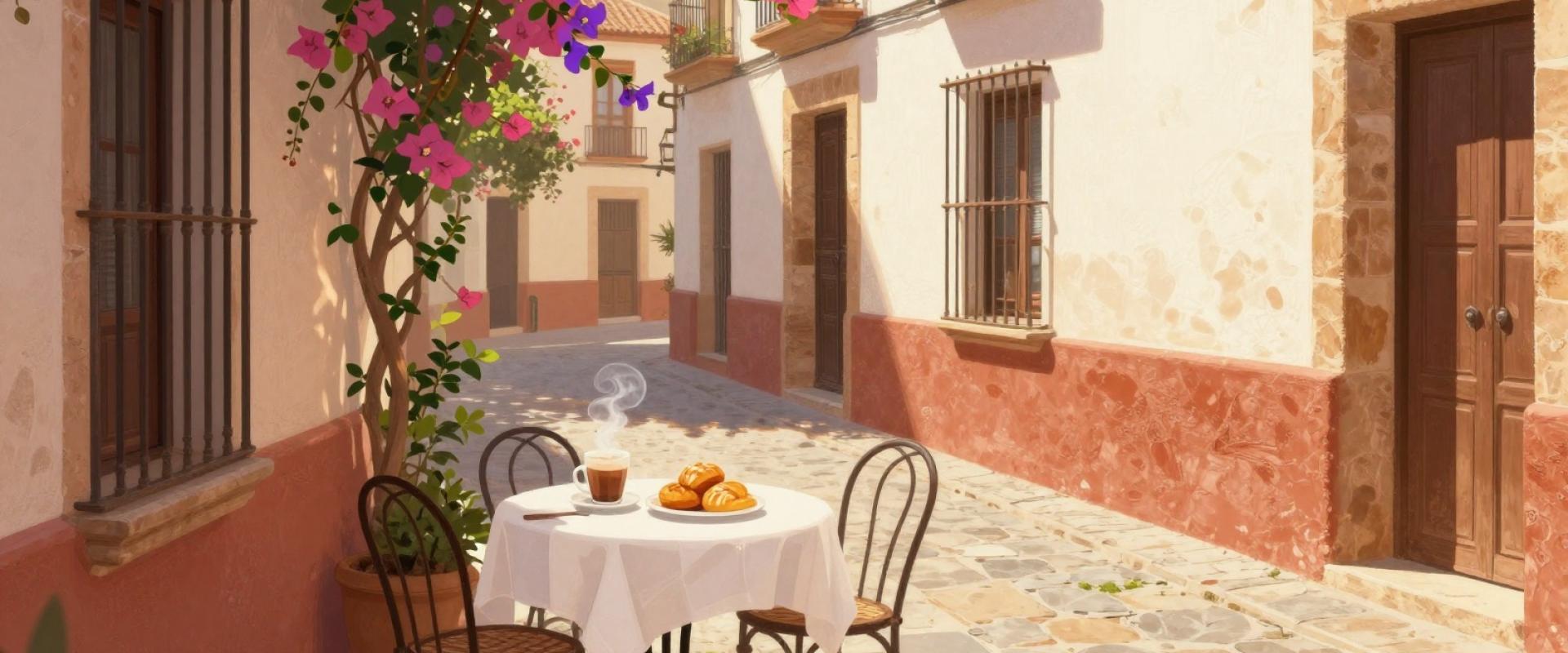
Spain’s culinary routes focus on regional specialties like Basque pintxos or Andalusian tapas. These themed journeys connect travelers to local food traditions. You must understand Spanish dining customs to navigate effectively. Lunch occurs between 2:00 PM and 4:00 PM. Dinner starts late, often after 9:00 PM. Many kitchens close between meals. Booking strategies require advance planning for popular venues. Reserve tables days ahead for high-demand restaurants. Walk-in availability is limited during peak seasons. Consider booking through official tourism websites or apps. Some establishments require credit card guarantees. Budget approximately €20 to €50 for a standard meal. Wine is often included in set menus. Check if service charge is included in the bill. Tipping is optional but appreciated for good service. Leave small change or round up the total. Avoid tipping large percentages as is common elsewhere. Research specific regional dishes before traveling. This enhances the thematic experience of the journey. Local ingredients define the unique character of each region. Always verify opening hours before visiting, as schedules vary by region and season. Many smaller towns close early in the evening. Plan meals around local business hours to avoid disappointment. Research is essential for a seamless culinary experience in Spain.
Architectural Heritage Tours
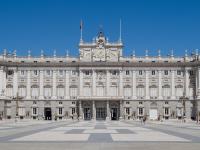
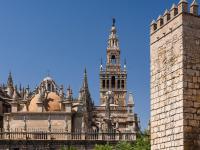
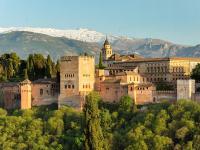
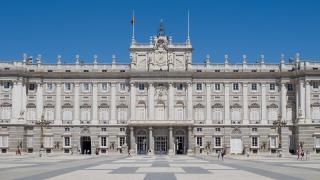
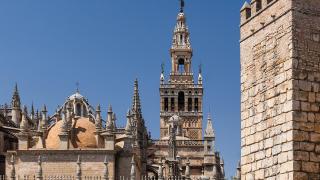
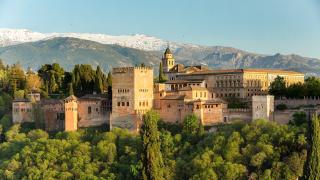
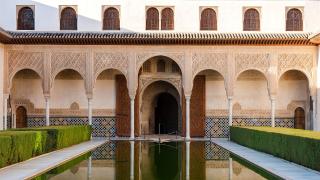
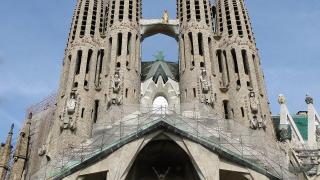
Spain’s architectural heritage spans diverse styles. Moorish palaces in Andalusia contrast with Gothic cathedrals in the north. The Alhambra in Granada requires advance booking. You must reserve tickets online to avoid long queues. The Sagrada Família in Barcelona also demands prior reservation. These sites attract massive crowds daily. Book at least two months in advance. Transportation between sites is efficient. Renfe operates high-speed AVE trains between major cities. This service connects Madrid, Seville, and Barcelona in hours. Regional trains serve smaller towns and rural areas. Renting a car offers flexibility for remote sites. However, parking in historic city centers is difficult. Use public transport or park outside the old town. Many heritage sites close on Mondays. Check opening hours before visiting. Some monuments require guided tours for entry. Always verify specific entry requirements online. This ensures a smooth and respectful visit to Spain’s architectural heritage.
Pilgrimage and Spiritual Routes
The Camino de Santiago offers structured spiritual journeys. The primary route is the Camino Francés. It spans 780 kilometers from Saint-Jean-Pied-de-Port. Hikers typically complete the route in 30 days. The route passes through northern Spanish regions. You must carry a credencial passport. This document proves your pilgrimage progress. Local authorities stamp the credential daily. Accommodation is available in hostels along the way. These albergues provide basic, affordable lodging. You must register at each stop. Physical preparation is essential for the journey. The terrain includes steep ascents and descents. Proper footwear prevents injury on long walks. The route connects to major cultural sites. You can visit historic cathedrals along the path. The final destination is the Cathedral of Santiago. This site marks the end of the journey. Many pilgrims attend the botafumeiro ceremony. This event occurs on specific religious holidays. The route offers a unique spiritual experience. It combines physical challenge with cultural immersion. Travelers often reflect on personal growth. The journey requires significant physical endurance. Proper preparation ensures a safe and meaningful experience. The route is well-marked with yellow arrows. These signs guide pilgrims along the correct path. Local communities often welcome pilgrims with hospitality. This tradition supports the long-standing pilgrimage tradition.
Logistical Optimization
Spain’s high-speed AVE train network connects major cities efficiently. This rail system is ideal for thematic routes between urban centers. You can travel Madrid to Seville in approximately two hours. Booking in advance secures better rates and seat availability. Accommodation should be located near central transit hubs. This strategy minimizes transit time between thematic stops. Seasonal considerations are critical for optimal travel. Summer months bring intense heat to the interior. You must plan for early morning activities to avoid heat. Flexibility is essential for managing heat and crowds. Booking flexible tickets allows for schedule adjustments. Themed journeys require precise timing for train connections. You must align accommodation check-ins with train arrivals. This coordination ensures smooth transitions between regions. Spanish rail schedules are generally reliable. However, delays can occur during peak holiday seasons. Always verify train times close to your departure date. Flexibility in your itinerary helps manage potential delays. You should buffer time between major transit legs. This buffer allows for rest and unexpected delays. Thematic exploration benefits from a relaxed pace. Rushing between sites reduces the quality of experience. Prioritize depth of engagement over speed. Thematic journeys require time for immersion. You should allocate sufficient time for each location. This approach enhances the overall travel experience. Spanish infrastructure supports efficient travel between regions. Utilizing the rail network is often the best option. It connects major cultural hubs effectively. Thematic travel in Spain is accessible and efficient.