





Strategic Routing Logic
Do not attempt to cover all of Spain in 14 days. Transit time between cities is significant and consumes valuable daylight hours. Prioritize key destinations to avoid a rushed experience. Utilize the high-speed AVE train network for efficient inter-city travel. This rail system connects major hubs with minimal delay. Focus on two main centers to minimize transit stress. Madrid and Barcelona serve as optimal primary hubs. These cities offer extensive cultural and culinary experiences. You can also include Seville or Valencia in your route. The Basque Country provides a distinct regional contrast. Andalucía highlights diverse landscapes and historic architecture. Tenerife offers a unique island experience within the itinerary. Check accommodation availability in advance for these popular spots. Efficient transportation maximizes your time on the ground. Balance major highlights with a relaxed daily pace. This approach ensures a satisfying first visit to Spain. Avoid generic tourism statistics. Focus on practical logistical details for your journey.
The Andalusian Detour
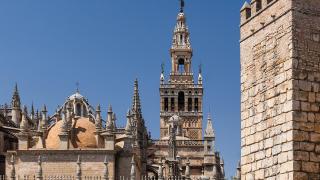
Andalusia offers distinct cultural depth, but requires dedicated transit time. A high-speed train route from Madrid to Seville is efficient. This high-speed rail connects major hubs effectively. You must balance the itinerary carefully. Dedicate equal time to the north and south regions. This approach prevents a rushed experience. The southern region provides unique cultural experiences. These differ significantly from the northern coast. You should consider a dedicated 'south loop'. This loop starts from Madrid via high-speed train. It allows for focused exploration of Andalusia. However, this adds significant travel days to your schedule. You cannot cover all of Spain in 14 days. Transit time consumes valuable daylight hours. Prioritize key destinations to avoid fatigue. The guide suggests visiting Seville as a primary hub. This city represents the core Andalusian experience. You can combine this with a visit to Granada. This creates a logical geographic flow. Avoid trying to see everything. Focus on quality over quantity. The trade-off is clear. Depth in the south means less breadth in the north. Choose one region for deeper immersion. Or split your time evenly between both. This strategic routing logic ensures a satisfying trip. It respects the geographical realities of Spain. Efficient transportation maximizes your limited two weeks. Check accommodation availability in advance. This is crucial for popular Andalusian cities.
Accommodation Transition Strategy
Minimize hotel changes to reduce travel fatigue during your two-week Spain itinerary. Transit time between cities consumes valuable daylight hours. Prioritize key destinations like Madrid, Barcelona, Seville, and Valencia. Stay in central neighborhoods with good public transport links. This approach maximizes time for local culture and cuisine. Consider a single base for day trips to regional sites. This strategy balances major highlights with a relaxed pace. Book early to secure availability in popular hubs. Utilize flexible cancellation policies for itinerary adjustments. Efficient transportation options help maximize the overall experience. Avoid rushing through multiple regions in 14 days. Focus on four distinct areas for a satisfying visit. Madrid and Barcelona offer major urban experiences. Seville provides access to Andalusian cultural depth. Valencia serves as a strategic coastal hub. Early planning ensures efficient routing logic. Strategic accommodation choices enhance the journey significantly.
Cultural Pacing and Immersion
Balance major sightseeing with leisurely exploration. Spain’s culture demands a slower pace. Avoid burnout by prioritizing immersion over checklists. Major hubs like Madrid and Barcelona require strategic routing. Dedicate time for local customs. Embrace the siesta tradition during midday hours. Plan late dinners, typically after 9 PM. This aligns with local social rhythms. Include unscheduled days for spontaneous discoveries. Wander through neighborhoods without a fixed agenda. Focus on immersive experiences rather than just landmarks. Visit local markets in Valencia or Seville. Engage with regional cuisines in the Basque Country. Tenerife offers distinct landscapes for quiet reflection. Minimize transit fatigue by reducing hotel changes. Efficient transportation maximizes available leisure time. Check accommodation availability well in advance. This ensures a relaxed two-week itinerary. Prioritize key destinations to avoid rushing. Transit time between cities consumes daylight. Use high-speed rail to connect hubs effectively. This method preserves energy for cultural engagement. Allow flexibility for unexpected local events. True immersion requires unstructured time. Explore lesser-known areas alongside major cities. This approach reveals Spain’s diverse regional identities. A whirlwind tour covers four distinct areas. Madrid, Barcelona, Andalucía, and the Basque Country offer unique perspectives. Balance efficiency with cultural depth. This strategy ensures a satisfying first visit.
Essential Logistics and Booking
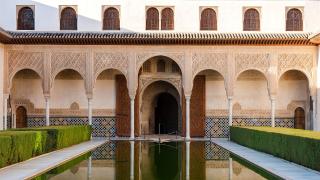
Book high-speed train tickets well in advance. Spanish rail fares increase significantly closer to departure. Secure entries for the Alhambra in Granada early. These tickets sell out months ahead. Utilize public transport systems in Madrid and Barcelona. Metro networks are efficient and cost-effective. Rent cars only for specific regional explorations. Use vehicles to access rural Andalusia or the Basque Country. Avoid driving in major urban centers. Ensure reliable communication via a local SIM card. Major carriers offer affordable data plans for tourists. Activate international roaming only if necessary. Carry small amounts of cash for minor expenses. Many smaller shops prefer cash payments. Tipping is not mandatory but appreciated. Keep euros handy for small purchases. Plan transit times between cities carefully. High-speed trains connect major hubs effectively. This maximizes your two-week itinerary efficiency.