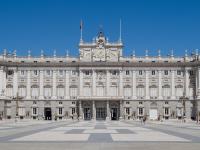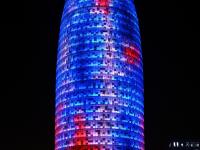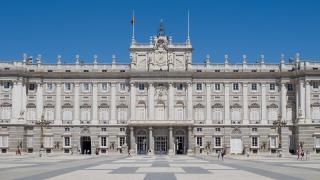

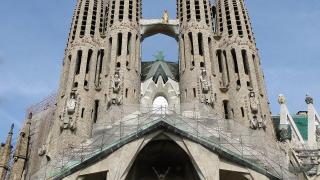
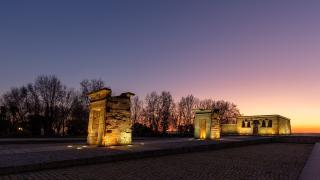
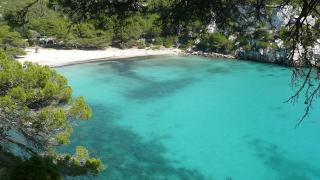
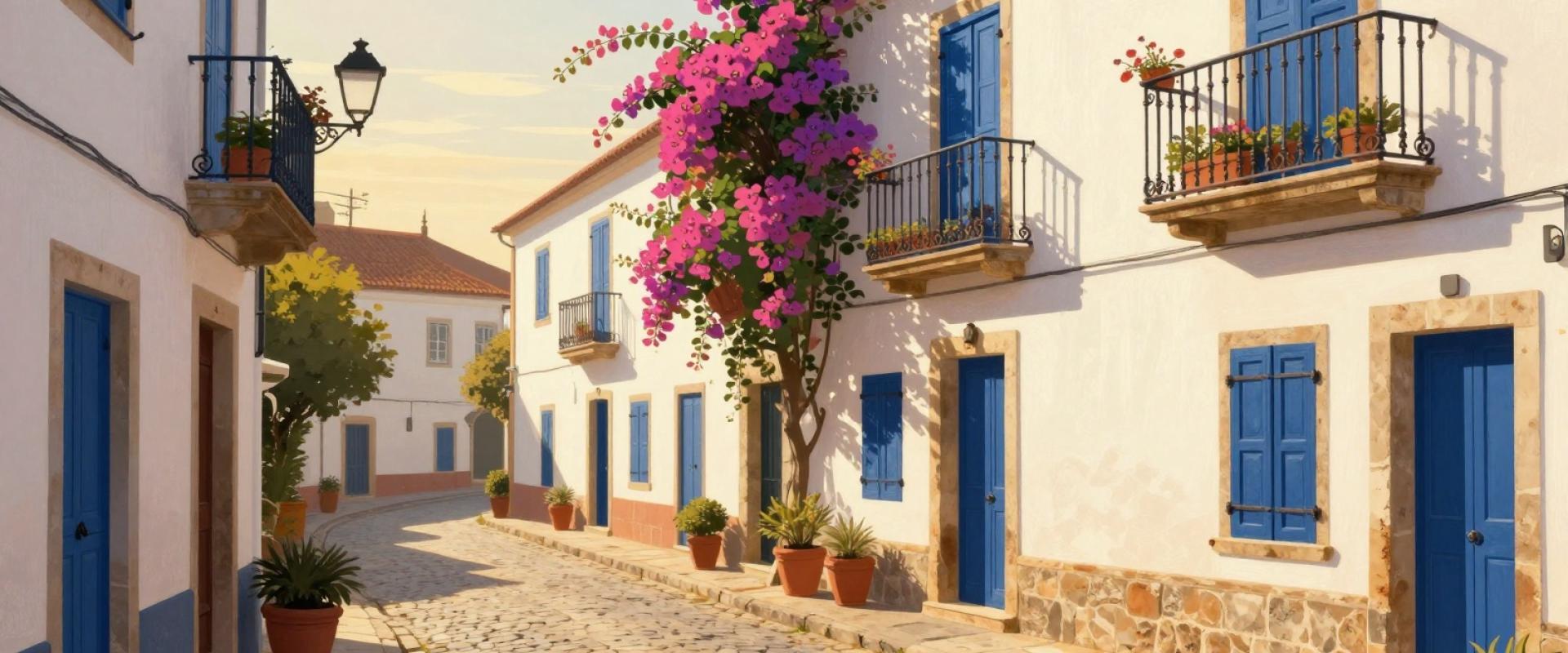
Madrid’s historic center offers a grid structure. This layout allows straightforward navigation for walking tours. The streets are wide and direct. Barcelona presents a different challenge. Its Eixample district features a complex grid. The city blocks are large and uniform. Navigating these blocks requires careful attention. Tourists must plan their routes carefully. Walking is best suited for short distances. It works well within historic centers. Long-distance transit is not suitable for walking. You should not walk long distances. Use public transport for longer trips. Walking tours are best for short intervals. They allow close inspection of architecture. Madrid and Barcelona offer distinct experiences. Madrid is open and direct. Barcelona is structured and dense. Both cities require careful navigation. Tourists should plan their walks. Short walks are manageable. Long walks are exhausting. Choose walking for short distances only. Avoid long-distance walking tours. They are inefficient and tiring. Stick to the historic centers. Stay on the main streets. Avoid getting lost in the alleys. The grid structure helps navigation. Use it to your advantage. Walk with purpose and direction. Do not wander aimlessly. Stay on the main roads. This ensures a safe and efficient tour. Walking is a good way to see the city. But only for short distances. Do not overestimate your stamina. Walk only as far as you can. Stop when you are tired. Rest and enjoy the view. This is the best way to explore. Walking is a leisure activity. It is not a sport. Take it easy and enjoy the moment.
The Camino de Santiago: A Pilgrim’s Perspective
The Camino de Santiago offers a unique, immersive experience distinct from standard tourism. The route is physically demanding, requiring careful preparation and mental resilience. Walkers traverse diverse landscapes, from the green north to the arid plateau. This journey is not a leisurely stroll but a rigorous physical challenge. Participants must prepare adequately for long daily distances. The communal aspect defines the experience. Travelers share accommodations in modest albergues. These hostels foster a unique sense of community. Strangers become companions through shared hardship. The daily routine involves walking, resting, and eating together. This social bond is a key feature of the pilgrimage. It distinguishes the experience from standard tourist activities. The path connects individuals through shared effort. It is a test of endurance and spirit. The route demands physical strength and mental fortitude. Each step is a personal challenge. The community support provides necessary encouragement. This structure supports the physical demands of the trail. The experience is defined by this collective effort. It is a unique cultural and physical challenge. The path is open to all who walk it. The journey is as important as the destination. The community aspect is central to the experience. It transforms a physical act into a social one. The shared struggle creates a unique bond. This connection is the core of the pilgrimage. It is a defining feature of the Camino. The experience is unique to this specific route. It is not a standard tourist activity. It is a profound personal and communal experience. The path is open to all who seek it. The journey is a test of endurance. The community provides support and camaraderie. This is the essence of the Camino de Santiago.
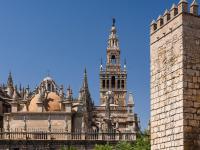
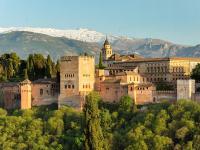
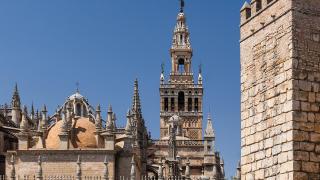
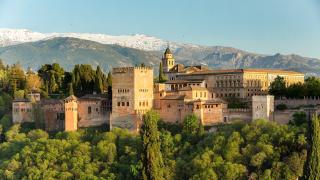
Seville’s historic center requires early morning or late afternoon exploration. Heat becomes dangerous midday. Walkers must plan routes to avoid peak sun exposure. Granada’s Albaicín district presents steep terrain. Steep inclines demand sturdy footwear for stability. The terrain is uneven and steep. Careful planning is essential for safety. Both cities offer rich cultural experiences. However, the physical environment requires specific preparation. Heat management is critical in summer. Terrain challenges require appropriate footwear. Walkers must assess their physical limits. The climate dictates the walking schedule. Early starts are necessary to avoid heat. Late afternoon walks are safer in summer. The historic centers are dense and narrow. Navigation requires attention to detail. Steep streets in Granada require caution. Seville’s flat streets are easier but hot. Planning is key to a safe experience. Heat management is a primary concern. Sturdy footwear is essential for all walkers. The climate is a major factor. Planning ensures a safe and enjoyable tour. The heat is intense in summer. Careful planning is essential for safety.
Practical Considerations for Walking in Spain
Plan walks around the midday siesta. Many shops close between 2:00 PM and 5:00 PM. This break affects access to services. Plan water and snacks accordingly. Greet shopkeepers with a polite 'buenos días.' This local custom is expected and appreciated. It establishes a respectful tone for interactions. Speak in a moderate tone. Loud voices may be perceived as aggressive. Maintain a calm demeanor in public spaces. Be aware of pickpockets in crowded areas. Tourist zones are high-risk targets. Keep valuables secure in front pockets. Use anti-theft bags when possible. Be mindful of local regulations. Littering is strictly prohibited and fined. Noise restrictions apply in residential areas. Respect quiet hours, especially at night. Adhere to local laws to avoid penalties. These rules ensure a smooth experience. They reflect local cultural norms. Following local customs shows respect. It enhances the overall travel experience. Stay aware of your surroundings. Prioritize safety in all areas. This approach ensures a pleasant stay. It respects local community standards.
Planning Your Walk: Logistics and Accessibility
Book accommodation in advance. Peak season requires early booking. Tour operators offer structured options. Explore Worldwide lists an eight-day Camino de Santiago trip. The cost starts at US$1,500. This option suits various activity levels. Small groups ensure a personalized experience. The route highlights Spanish culture and gastronomy. Walkers should wear sturdy footwear. Comfortable shoes are essential for long distances. Carry water and sunscreen daily. Spanish sun is intense and direct. Research local customs before starting. Greet locals with a polite 'buenos días'. This gesture ensures a respectful experience. Spanish culture values polite social interaction. Plan routes around midday heat. Many shops close during the siesta. Plan water breaks accordingly. Accessible routes are available for all. Check accessibility for mobility issues. Spanish cities offer diverse walking options. Small-group tours provide structured guidance. These tours highlight regional diversity. Spanish landscapes range from mountains to coasts. Plan logistics carefully for a safe trip. Spanish infrastructure supports organized tours. Book early to secure availability. Spanish tourism infrastructure is well-developed. Plan ahead for a smooth experience.