






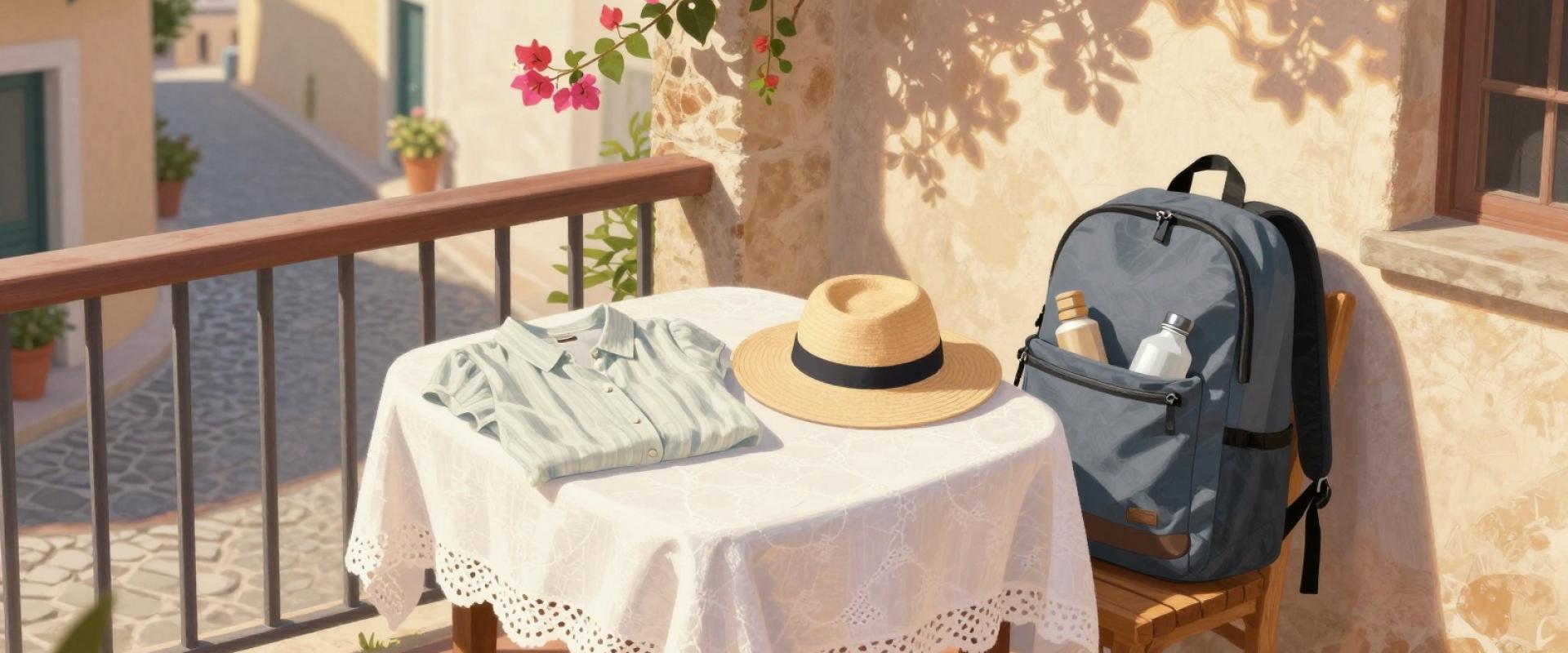
Low-cost carriers dominate Spanish inter-city travel. Airlines like Ryanair enforce strict dimensional limits. You must pack compactly to avoid extra fees. A carry-on only approach is essential for cost efficiency. Spanish airports charge high fees for checked baggage. This makes lightweight packing a financial necessity. You should choose versatile, quick-dry clothing. The local climate is warm, but evenings cool. Pack light layers for variable temperatures. Avoid bulky items that exceed size limits. Smart casual attire fits most Spanish venues. You need comfortable walking shoes for cobblestones. These streets are common in historic centers. Your luggage must fit standard cabin dimensions. Overpacking leads to expensive additional charges. Plan your wardrobe around limited space. Choose versatile items that mix and match. This strategy saves money and reduces stress. You will navigate Spanish airports with ease. The constraint is strict, but manageable. Careful planning ensures a smooth travel experience. Prioritize compact, multi-purpose clothing for your trip. This approach aligns with local airline standards.
Stepping Stones: Footwear for Cobblestones
Spanish historic centers feature uneven, cobblestone streets. These are known locally as adoquines. High heels are impractical and unsafe on these surfaces. Smooth soles lack the necessary grip for stability. You must choose sturdy, closed-toe shoes for safety. Comfort and stability are prioritized over fashion. This ensures safe mobility through historic districts. The ground is often irregular and slippery. Proper footwear prevents injury and fatigue. Pack shoes with good grip for traction. This is essential for navigating old town centers. Spanish architecture often utilizes stone paving. This requires durable soles to prevent slipping. Avoid lightweight sandals for extended walking. Sturdy soles provide necessary support on stone. You will walk more than you expect. Comfort is critical for long days of sightseeing. Prioritize practicality over style for mobility. Stable footwear reduces the risk of ankle strain. This is essential for exploring historic centers safely.
Layering for Mediterranean Variability
Spain’s Mediterranean climate features hot days and cooler evenings. Temperatures drop significantly after sunset. This variability requires a strategic layering approach. Pack lightweight, versatile clothing for effective adaptation. A light jacket or cardigan is essential. It provides necessary warmth during cooler evening hours. The local dress code is generally smart casual. This style fits both day and evening settings. Quick-dry fabrics are practical for the heat. They manage sweat and dry rapidly. Comfortable walking shoes are necessary for cobblestone streets. These surfaces are uneven and require stable footing. The combination of breathable fabrics and light layers ensures comfort. This approach adapts to changing daily temperatures. It allows for flexibility between hot days and cool nights. This strategy ensures comfort throughout the entire stay in Spain.
Cultural Respect: Dressing for Religious Sites
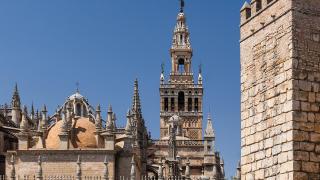
Spain enforces strict modesty codes at religious sites. You must cover shoulders and knees to enter. Sleeveless tops and short shorts are prohibited. This rule applies to cathedrals like Seville’s and Sagrada Família. Violating dress codes results in denied entry. Pack clothing that meets these specific requirements. Avoid tank tops and mini-skirts entirely. Choose breathable fabrics for Spain’s warm climate. A lightweight scarf is a versatile accessory. It provides immediate modesty for shoulders or knees. You can drape it over bare skin easily. This single item solves multiple modesty issues. It is essential for visiting active churches. Local standards require covered shoulders and knees. Western tourists often overlook this cultural norm. Always carry a scarf in your day bag. It ensures you can enter any site. Check specific dress codes before visiting major sites. Some require full coverage, including knees and shoulders. Plan your outfit to respect local traditions. This approach ensures a respectful and smooth experience. You will avoid being turned away at the door. Modest attire is a sign of respect. It aligns with local religious and cultural values. Prioritize comfort and coverage in your packing list. This preparation is essential for a respectful visit.
Practical Essentials: Power and Cash
Spain uses the European Type F plug. This standard requires two round pins. Travelers from outside Europe must bring an adapter. A universal adapter is the most practical solution. It ensures compatibility with local sockets. Cash remains essential for daily transactions. Many small shops and rural bars are cash-only. They often lack card payment terminals. You must carry small denominations of euros. Vendors may refuse large bills for minor purchases. Always keep some loose change for tips. A portable power bank is highly recommended. It provides backup charging for your devices. This is crucial when outlets are scarce. You can recharge devices in cafes or hotels. Relying solely on hotel power is risky. A power bank ensures your phone stays charged. This is vital for navigation and communication. Always carry a backup charging solution. It prevents being stranded without power. Plan your charging strategy carefully. This ensures you stay connected throughout your trip. The European plug standard is consistent across the region. Adapt your gear to fit local standards. This simple step prevents technical issues. It ensures a smooth and uninterrupted travel experience. Always verify plug compatibility before departure. This small preparation prevents significant travel disruptions.