







Casco Viejo (Old Town)
- Hours
- 9:00 AM–1:30 PM, 3:30 PM–7:30 PM
- Where
- Bilbao, Basque Country
- Directions
- Directions
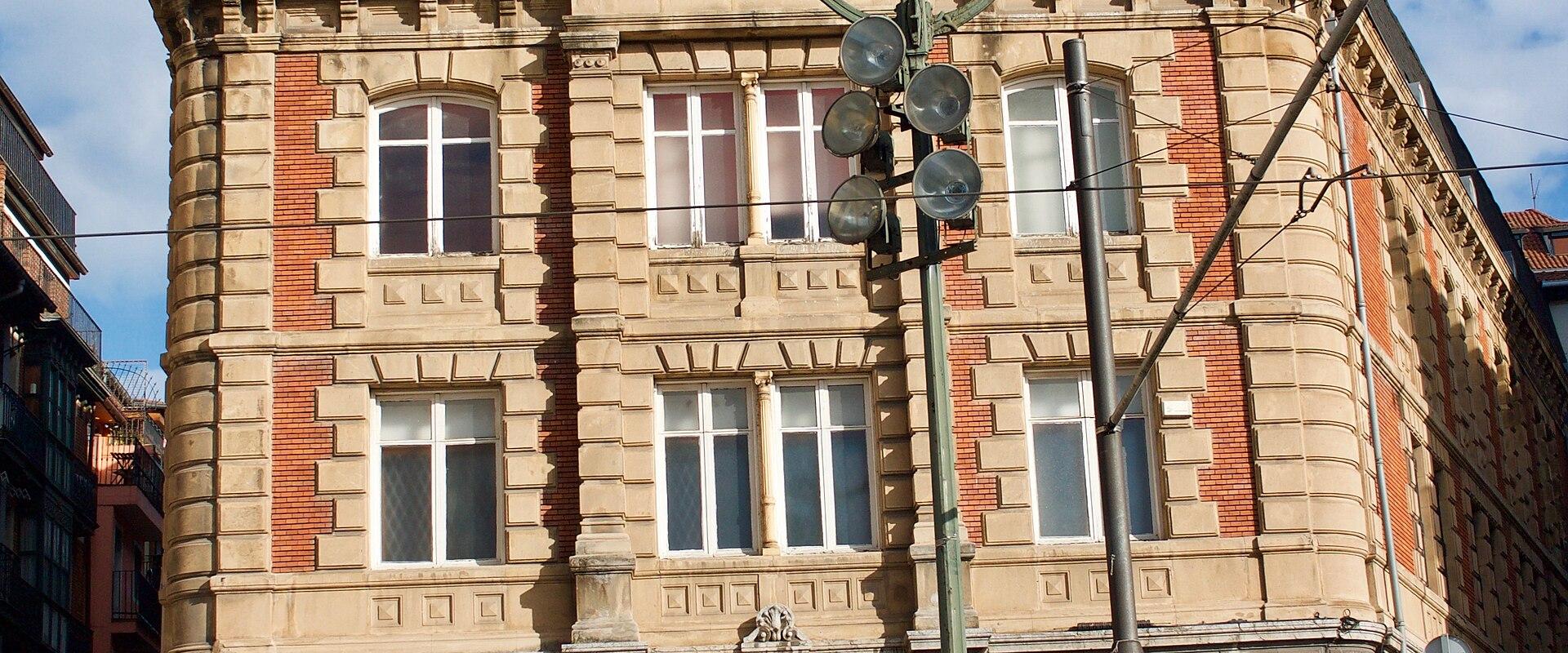
The Casco Viejo is the old town of Bilbao and the part of the city where its history began. It lies on the right bank of the Nervión, and it was here that Don Diego López de Haro, the Lord of Biscay, granted a town charter in 1300, turning a small fishing and trading settlement into an organised town. The first urban core grew along a handful of parallel streets, running from the bank of the estuary up toward the hill, and these are still the backbone of the district. They are known as the Siete Calles, the Seven Streets: Somera, Artekale, Tendería, Belosticalle, Carnicería Vieja, Barrenkale and Barrenkale Barrena.
The streets are narrow and straight, lined with tall houses, small shops, bars and restaurants, and closed to cars. In some, craftsmen's shops and old-fashioned grocers survive beside newer boutiques. The Basque tradition of going out for pintxos, small snacks served on bread, is strongest here, and from late morning to the evening the streets fill with people going from bar to bar. Wine, cider or the local white wine, txakoli, are the usual drinks. Every street has a different character, and the lanes on the side lead to small squares and churches.
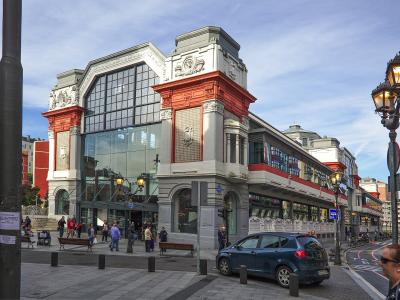
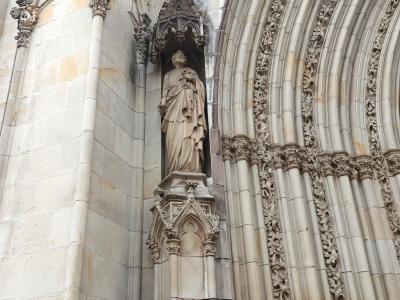
Several landmarks stand out. The Cathedral of Santiago, a Gothic church from the fourteenth and fifteenth centuries with a neo-Gothic façade added in the nineteenth, is the oldest church in Bilbao, and it has a cloister and an unusual stone porch. Nearby, the church of San Nicolás de Bari, in the Baroque style, stands on a small square at the foot of the old town, and the church of San Antón, beside the bridge of the same name, is a symbol of the city and appears on its coat of arms. At the northern edge, the Plaza Nueva, an arcaded neoclassical square, is the social centre, and the Mercado de la Ribera, on the riverbank, is the great covered market.
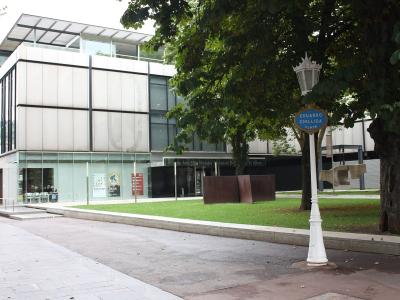
The district is also home to museums that help to explain the region's past. The Museo Arqueológico de Bizkaia and the Euskal Museoa, the Basque Museum, stand near the Plaza Unamuno, and they trace the history of Biscay from prehistoric settlements to the modern age. The Teatro Arriaga, a handsome nineteenth-century theatre, stands at the edge of the old town, near the river. After the industrial boom that made Bilbao rich, the old town lost some importance, but it has been revived in recent decades.
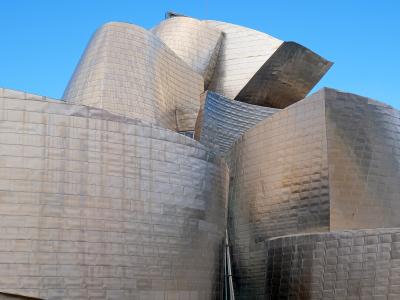
The Guggenheim Museum Bilbao and the Abandoibarra Waterfront are a walk along the river from here, and the Artxanda Funicular rises to a viewpoint on the other side. It suits everyone, and walking is the only sensible way to see the Casco Viejo. Shops open in the morning and close for the early afternoon, and the evening is the liveliest time.
Categories
More photos coming soon
Opening Hours
- Open
- 9:00 AM–1:30 PM, 3:30 PM–7:30 PM
Hours and prices change, especially out of season. Check with the venue before you go.
Nearby Attractions
Other places to visit in Bilbao
Questions people ask
Quick Facts
Best Time to Visit
June through September offers the warmest, driest weather ideal for exploring the city.