







Castillo de Ujué
- Where
- Ujué, Navarre
- Directions
- Directions
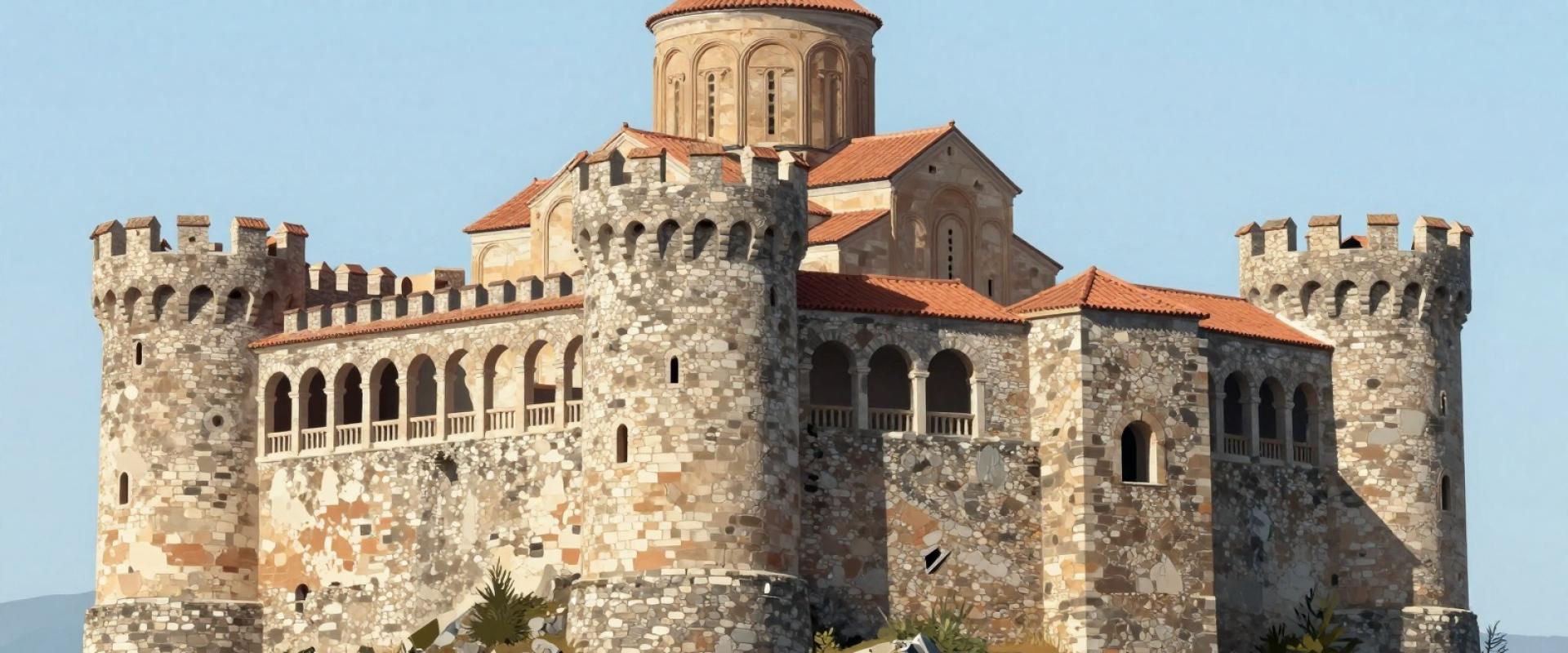
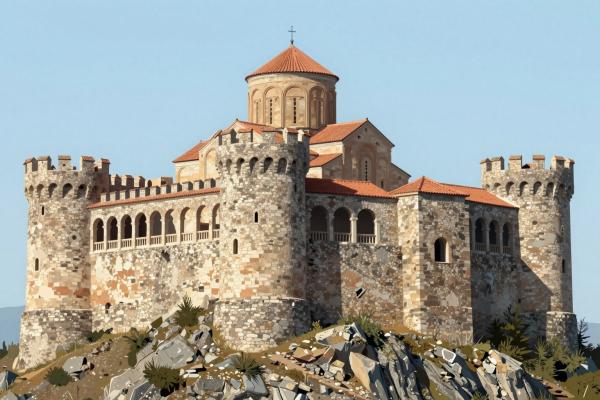
The Castillo de Ujué is, in practice, the fortified church of Santa María, which crowns the hill above the village of Ujué in Navarre and gives the place its castle-like profile. The village, which is spelled Ujué and sometimes appears in other forms, sits at about eight hundred metres above sea level on a ridge, and the stone buildings climb the slope in a tight cluster to the church at the top. Unlike a conventional castle, this is a religious building that was given the defences of a fortress, and the mixture of worship and defence is the key to understanding it. The site is also described as the Church-Fortress of Saint Mary.
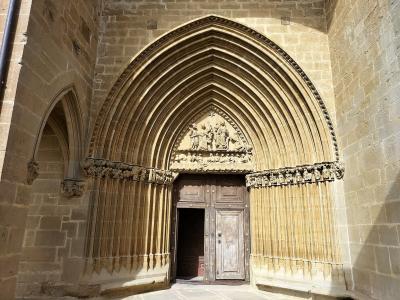
The oldest parts of the structure are Romanesque, dating from the twelfth century, with a semicircular apse and the main elements of an early church. In the fourteenth century, the kings of Navarre added Gothic work and military features, including battlements, towers and a fortified upper level, and the church became a royal chapel as well as a stronghold. Charles II of Navarre, known as the Bad, had a particular link with the shrine, and tradition states that his heart was brought here and buried in the church after his death in 1387, in accordance with his wishes. His heart is said to rest in the church to this day, which gives the place a dynastic weight. The treasure of the church includes a Romanesque image of the Virgin, the focus of the local devotion.
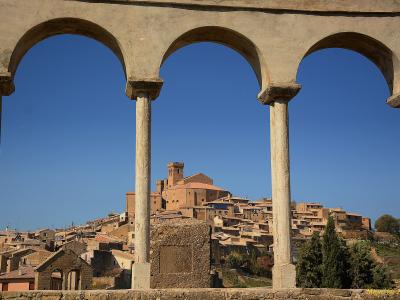
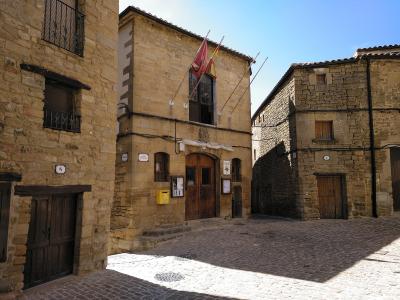
The views from the top are broad. On clear days you can see across the plains of southern Navarre, with its fields of cereals, vines and olives, and towards the Pyrenees in the north, and the Bardenas Reales desert landscape lies not far to the south east. The wind is often strong, and the exposed position explains why the site was chosen as a lookout. Inside the village, narrow streets with stone houses, arched doorways and small balconies add to the atmosphere, and terraced fields surround the settlement.
The church is the destination of an annual pilgrimage, the Romería de Ujué, held on a Sunday in spring, when large groups from nearby towns walk up to the sanctuary. The procession and the atmosphere are among the most important events in the local calendar.
The church and village are open to visitors, though hours vary with the season, so check locally. Parking is available at the foot of the village, and the last stretch is on foot over cobbles. A visit takes about an hour, and a stop in one of the village restaurants, which serve traditional Navarrese dishes, makes a good addition to the trip.
Categories
More photos coming soon
Questions people ask
Quick Facts
Best Time to Visit
May through September offers mild weather ideal for exploring the medieval village.