- Where
- Toledo, Castile-La Mancha
- Directions
- Directions
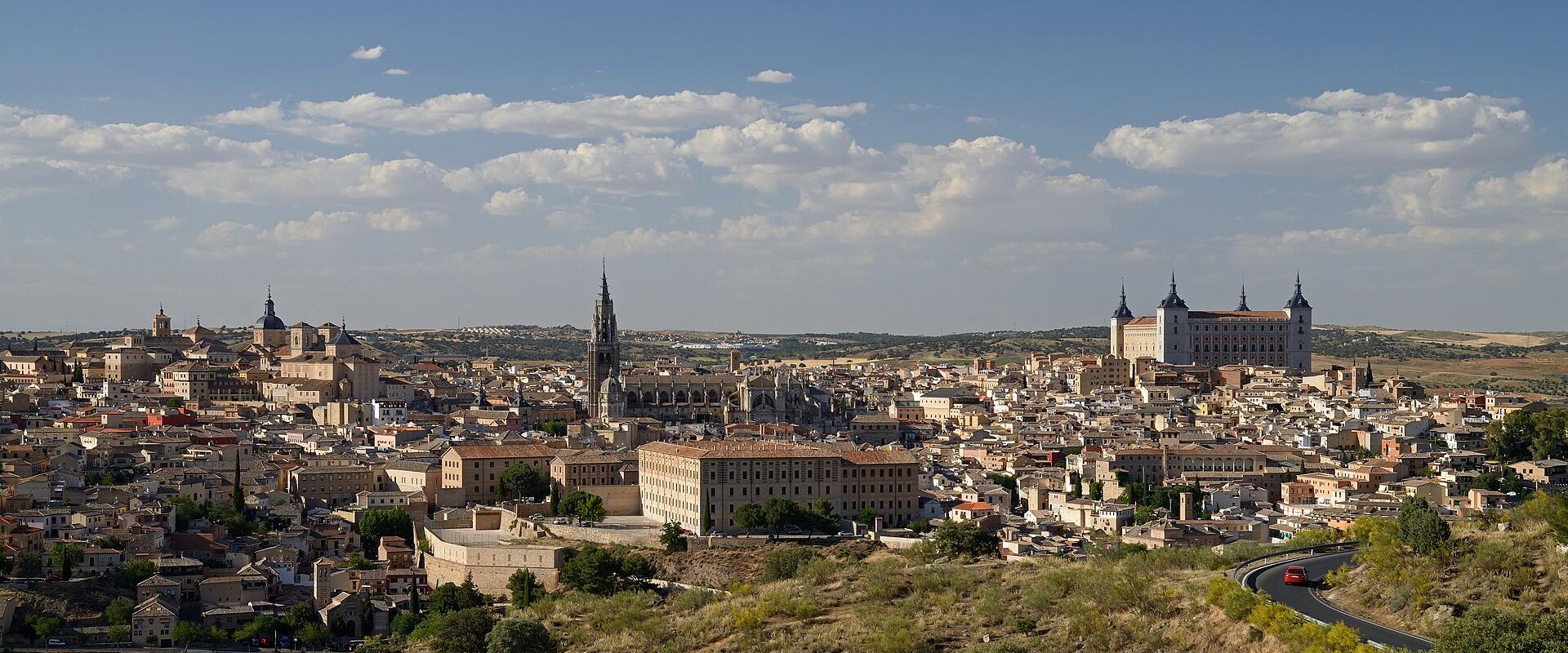
The Cathedral of Toledo, known as the Primada because its archbishop is the Primate of Spain, is one of the great Gothic cathedrals of Europe and a showcase of Spanish art from the thirteenth to the eighteenth century. It stands in the old city of Toledo, on a hilltop above the Tajo river, at the address of 1 Calle Cardenal Cisneros, close to the Plaza del Ayuntamiento. Work began in 1226, under King Ferdinand III and Archbishop Rodrigo Jiménez de Rada, on the site of the former main mosque, and went on for more than two and a half centuries, until the end of the fifteenth century. The building is modelled on French cathedrals such as Bourges, but it has many Spanish features, and later chapels brought in Renaissance and Baroque styles.
From outside, the cathedral is solid and complex, hemmed in by the streets of the old town, with a single tall tower, a great west front with three portals and richly carved doors. Inside, the scale is monumental, with five naves, soaring vaults and a great number of chapels. The stained glass of the clerestory fills the interior with colour, and the sense of height and rhythm is overwhelming. The high altar has a gilded altarpiece of the late fifteenth century with scenes from the life of Christ, one of the most elaborate in Spain, and the carved wooden choir stalls are celebrated for their detailed scenes of the conquest of Granada.
One of the best-known works is the Transparente, a Baroque altar in the ambulatory by Narciso Tomé, built in the early eighteenth century. The architect opened a hole in the Gothic vault and the wall, so that natural light pours down on a composition of marble, bronze and painted figures, with angels and clouds appearing to float. It is a theatrical contrast with the medieval surroundings. The sacristy functions as a picture gallery, with paintings by El Greco, including The Disrobing of Christ, the Expolio, as well as works by Titian, Caravaggio, Velázquez and Goya. The treasury holds an enormous processional monstrance of gold and silver, a masterpiece of the sixteenth-century goldsmith Enrique de Arfe.
The cathedral is also the seat of a unique rite, the Mozarabic, an old form of the liturgy from the Visigothic period, which continues in a special chapel. As an active place of worship, it requires modest dress, and certain areas close during services.
The cathedral lies close to the Alcázar of Toledo, the Plaza de Zocodover and, a little farther, the Mezquita del Cristo de la Luz and the Synagogue of Santa María la Blanca. It suits art and history lovers, and a proper visit takes at least two hours. Check tickets and hours in advance.
Categories
More photos coming soon
Nearby Attractions
Other places to visit in Toledo
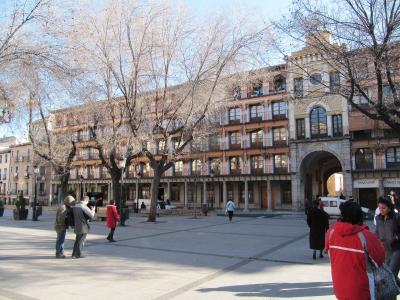
Plaza de Zocodover
Historic Heritage · Urban Exploration
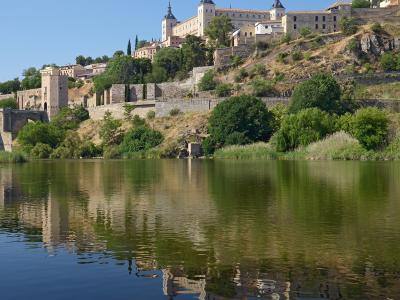
Alcázar Of Toledo
Historic fortress and military museum in Toledo
From €3 Castles · Historic Districts
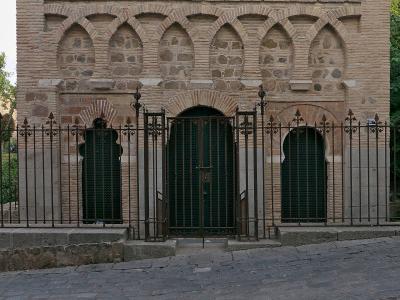
Mezquita Del Cristo De La Luz
999 AD Moorish mosque in Toledo, Spain
Historic Heritage · Architectural Heritage
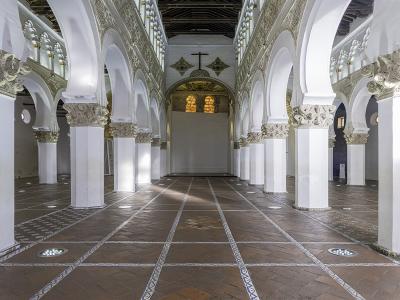
Synagogue Of Santa María La Blanca
12th-century Mudéjar synagogue in Toledo's Jewish quarter
Architectural Heritage · Jewish Quarters
Questions people ask
Quick Facts
Best Time to Visit
May through September offers warm, dry weather ideal for exploring the historic center.