







City Walls (La Mura)
- Admission
- Free admission
- Where
- Pamplona, Navarre
- Directions
- Directions
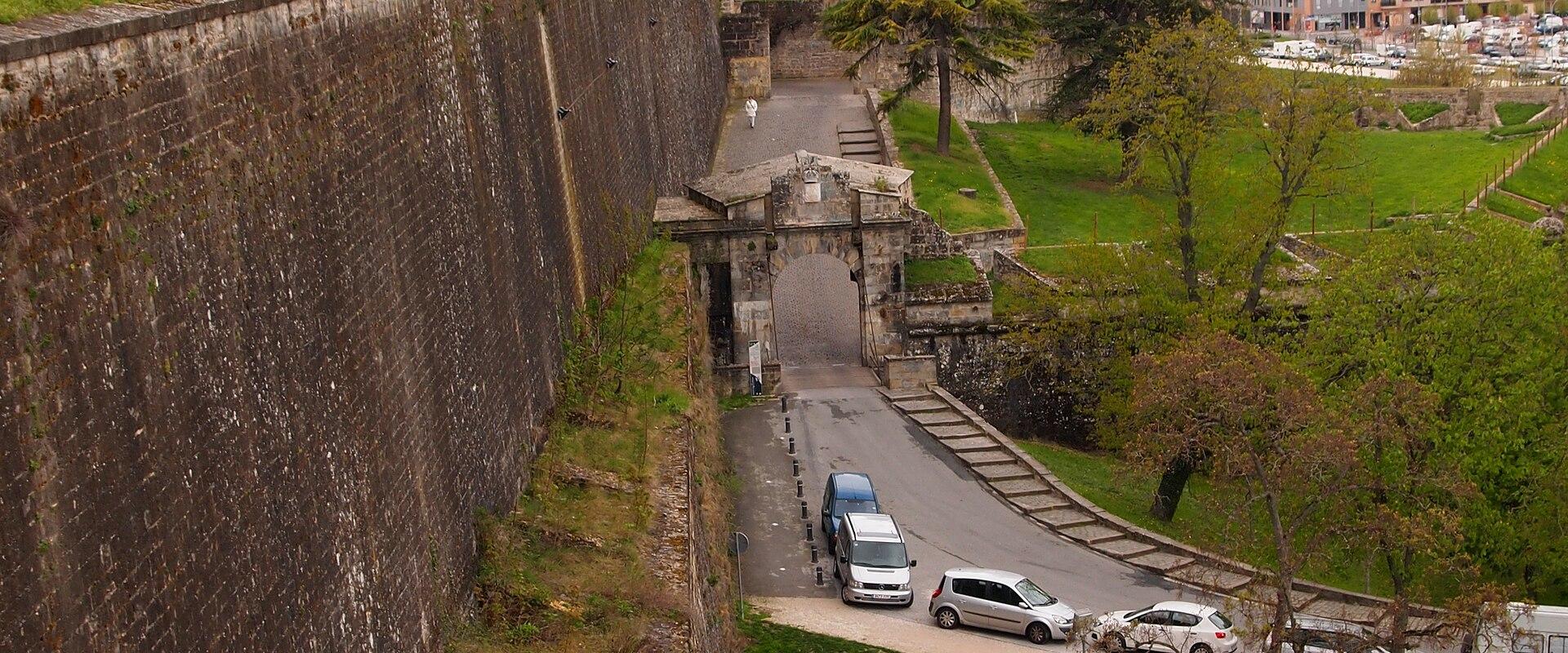
The walls of Pamplona, called La Mura, are among the best-preserved fortifications in Spain, and walking along them is one of the best ways to understand the history of the city. Pamplona began as a Roman town, Pompaelo, said to have been founded by Pompey in 74 BC, and it later became the capital of the kingdom of Navarre. Because it stood near the border with France and with rival kingdoms, it was fortified for most of its history. In the Middle Ages, the city was made up of three separate boroughs, San Cernin, San Nicolás and the Navarrería, each with its own walls and often quarrelling with the others. In 1423, King Charles III the Noble issued the Privilege of the Union, which merged them into one municipality, and the walls were joined into a single circuit.
The present form of the defences owes more to the sixteenth century. After Navarre was annexed to Castile in 1512, the Spanish crown feared revolt and invasion and had the old medieval walls rebuilt as modern bastioned fortifications, with thick earthen ramparts faced in stone, pointed bastions and deep moats, designed by Italian military engineers. In the 1570s, Philip II ordered the building of the Ciudadela, the star-shaped citadel on the southern edge of the city, one of the finest examples of Renaissance military architecture in Europe. The walls stayed in military use until the twentieth century, and the city expanded beyond them only in the late nineteenth.
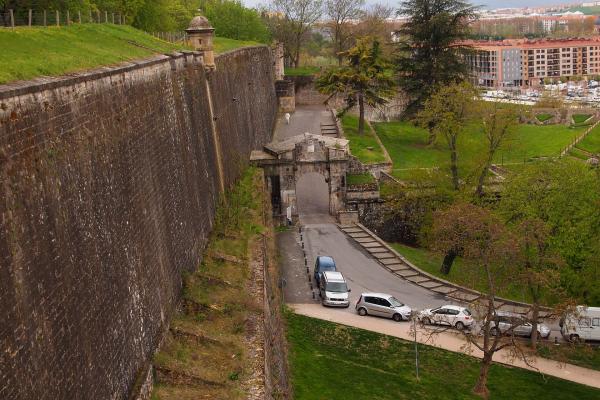
Today the walls form a continuous route around the old town, and they have been declared a national monument. The path is about five kilometres long, or around seven if you include the citadel, and it takes a few hours at a gentle pace. There are two levels. The upper path runs along the top of the ramparts, giving views over the old town, the river Arga and the hills beyond, while the lower path follows a green belt of riverside groves and gardens. Gates punctuate the route. The Portal de Francia, the French Gate, has a drawbridge and a carved scallop shell, the symbol of Saint James, since pilgrims on the Camino de Santiago enter the city here. Ramparts and bastions carry names such as Labrit, Guadalupe, Pilar, Abrevador, Gonzaga and the Taconera, and the Fort of San Bartolomé and the Media Luna redoubt have been converted into exhibition and interpretation spaces.
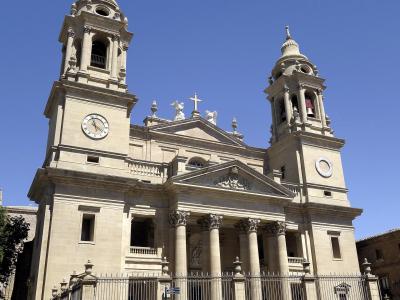
The walls are free and open at all times. A good starting point is the interpretation centre at the Media Luna or the Portal de Francia, and many people walk the circuit in sections, combining it with the sights of the old town. The Cathedral of the Savior and the Holy Spirit, the Navarre Museum, the Basílica of Santa María la Real and the Plaza del Castillo are all close, and the Parque de la Taconera lies beside the walls. It suits walkers, families and history lovers. In the evening, the walls make a pleasant, quiet place for a stroll.
Categories
More photos coming soon
Admission Fees
- Admission
- Free admission
Hours and prices change, especially out of season. Check with the venue before you go.
Nearby Attractions
Other places to visit in Pamplona
Questions people ask
Quick Facts
Best Time to Visit
May through September offers warm, pleasant weather ideal for exploring the city.