
- Admission
- Free entry
- Hours
- Daily 10:00 AM–2:00 PM and 4:00 PM–7:00 PM
- Where
- Almagro, Castile-La Mancha
- Directions
- Directions
The Corral de Comedias de Almagro is the best-preserved Golden Age playhouse in Spain, and a monument of Spanish theatre, and one of the few of its kind to survive anywhere in Europe. It stands on the Plaza Mayor of Almagro, a town in the province of Ciudad Real, in the middle of La Mancha, and it dates from 1628. A corral de comedias was the type of public theatre that flourished in Spain in the sixteenth and seventeenth centuries, the age of Lope de Vega, Calderón de la Barca and Tirso de Molina, and the plays of those dramatists were first performed in such spaces. The name means a courtyard for plays, because the theatres were built in the yards of houses, with the audience surrounding the stage on three sides.
The structure shows how the corrales worked. A rectangular patio, open to the sky, holds the standing audience, who were known as the mosqueteros and paid the cheapest price, in front of a raised stage. Around the patio rise two levels of wooden galleries with balconies and benches for those who could afford seats, and at the back, in the upper gallery, was the cazuela, the stewpot, where women sat. Separate boxes were reserved for the town authorities and for notable people. A small dressing room, a storeroom and a staircase lie behind the stage, and the whole space is built of wood, plaster and stone, with simple painted decoration. It is intimate, and the closeness between performers and audience is striking.
The theatre had a long, eventful history. It was built in the early seventeenth century as part of a complex of buildings in the town centre, and for a time it was a lively centre of performance. As tastes changed and the age of the corrales ended, it fell into disuse, and it was used for other purposes, becoming a courtyard in a tavern and a place of storage. It was rediscovered in the twentieth century, in the 1950s, when its original form was recognised under later alterations, and it was restored and reopened as a theatre. Today it serves as both a museum and a working playhouse.
Visitors can enter the building during the day, and guided tours are offered in which costumed actors act as guides, an approach that brings the history of the stage to life and makes it more entertaining than a standard audio guide. Performances are staged on certain evenings through much of the year. The theatre is also the main venue of the International Classical Theatre Festival of Almagro, held each July, when companies from Spain and abroad perform plays from the Golden Age and later periods across the town.
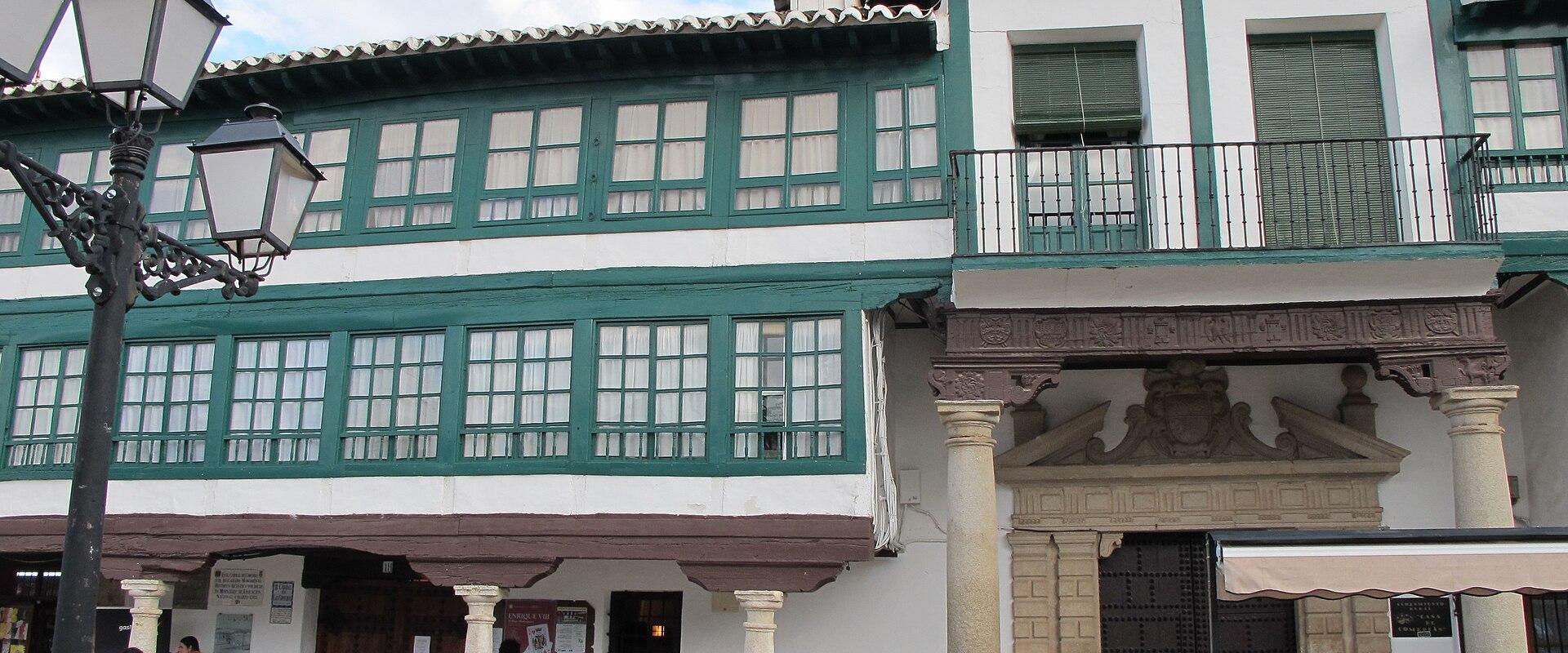
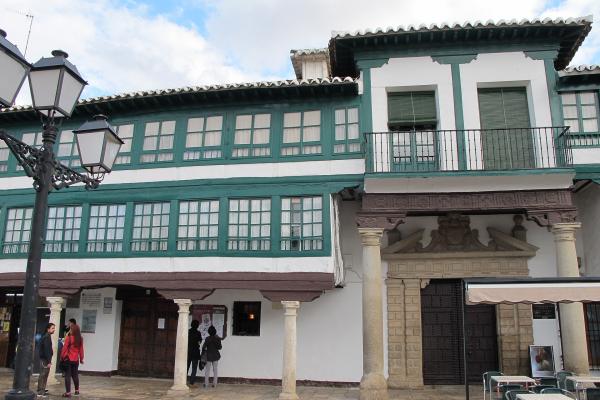
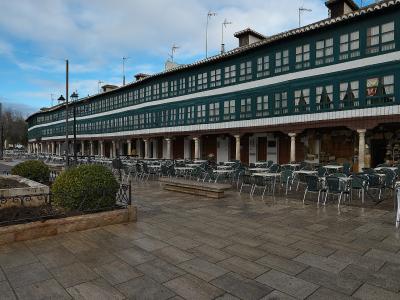
The Plaza Mayor itself is worth seeing, with its long rectangle lined with arcades and green-painted wooden balconies, and the town is known for its pickled aubergines and its lace-making. Almagro is about two hours by road from Madrid. Check performance times and tour prices on the official site before going.
Categories
More photos coming soon
Hours & Fees
- Open
- Daily 10:00 AM–2:00 PM and 4:00 PM–7:00 PM
- Admission
- Free entry
Hours and prices change, especially out of season. Check with the venue before you go.
Nearby Attractions
Other places to visit in Almagro
Questions people ask
Quick Facts
Best Time to Visit
April to June and September to October offer mild, pleasant weather ideal for exploring.