







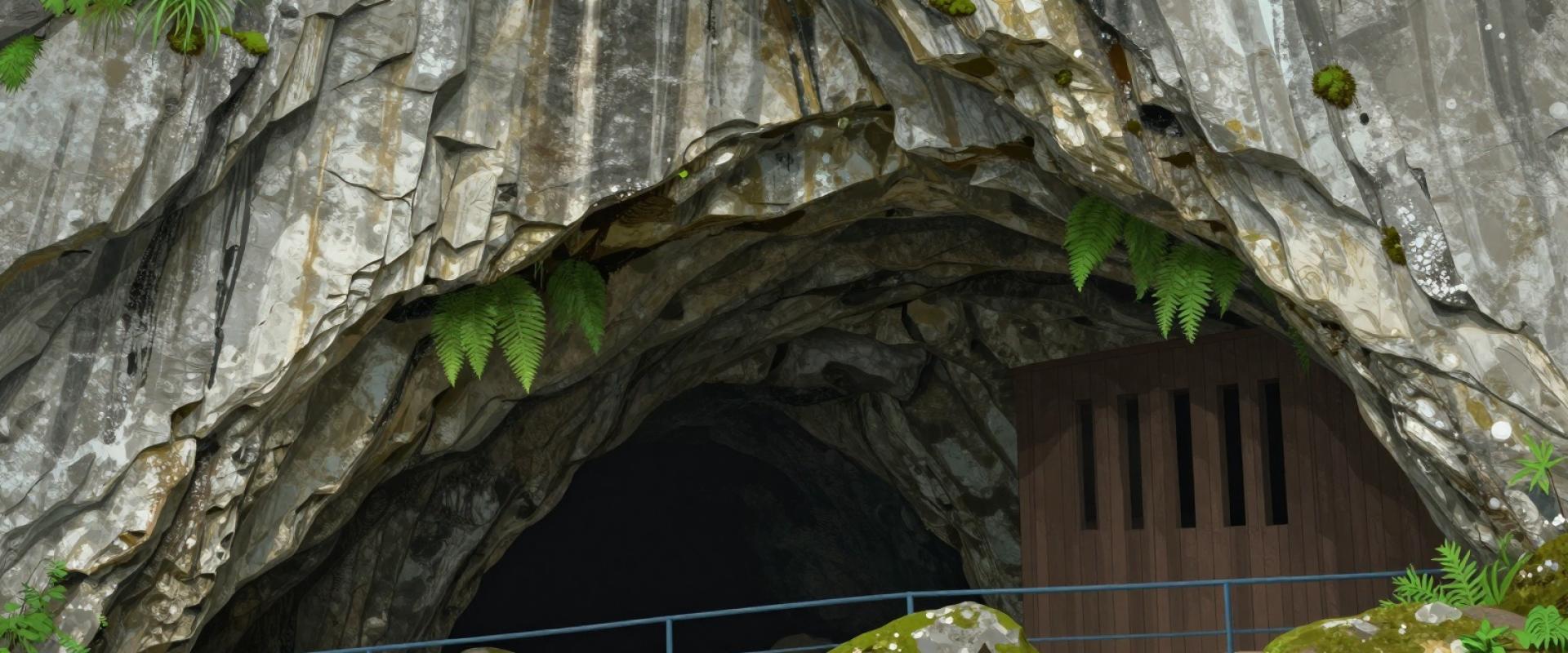
Cueva de El Pindal
- Hours
- Wednesday through Sunday, 15:00 to 17:00. Closed on Mondays and Tuesdays.
- Where
- Llanes, Asturias
- Directions
- Directions
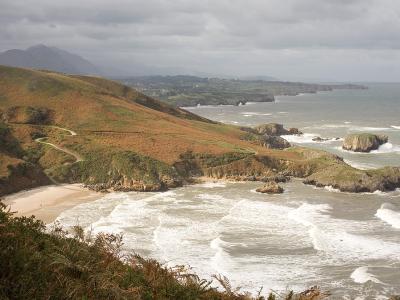
The Cueva de El Pindal is a cave with Paleolithic paintings on the cliffs of the eastern Asturian coast, close to the border with Cantabria, and it is one of the sites in northern Spain included in the UNESCO listing for Altamira and the Paleolithic cave art of the region. It lies near Pimiango, just beyond the area of Llanes, and visitors often combine it with a trip to the coast. The cave is set above the sea on a rocky headland, Cabo Pindal, where the cliffs fall away to the Cantabrian waters. Reaching it involves a short walk through meadows and pasture.
The cave was known for a long time before its art was recognised. Its decorated walls were identified at the very end of the nineteenth century by a team of researchers, and the paintings and engravings were studied in the following decades. The gallery runs for several hundred metres into the hill, and the decorations are concentrated in specific zones. They were made by hunter-gatherers during the Upper Paleolithic, with the main phases attributed to the Solutrean and Magdalenian periods, between roughly twenty and thirteen thousand years ago.
The main subjects are animals, drawn in red ochre and black, and some engraved into the rock. Horses, deer, bison and aurochs appear, as well as fish and a rare image of a mammoth, which is one of the very few found in Spanish caves. Some animals are drawn in outline, others filled with colour, and several use the natural bumps in the rock to give volume to the shapes. Abstract signs, dots and lines also appear, and archaeologists still debate their meaning. The most important section is a decorated panel in the first part of the gallery.
Because the paintings are fragile, access is controlled. Visits are by small guided groups, and advance reservation is required, with a limit on the number of people each day, so planning is essential. The guide explains the cave's formation and the techniques the artists used, and lights are used sparingly. It is a quiet, close experience. Flash photography is not allowed and the guide may ask visitors to avoid touching the walls.
The visit suits people interested in prehistory and rock art, and it can be combined with a coastal walk along the cliffs of the nearby headland. In the surrounding area, the Casa de los Velarde and the Playa de Torimbia are other places to explore. Check the current rules and booking arrangements before you go.
Categories
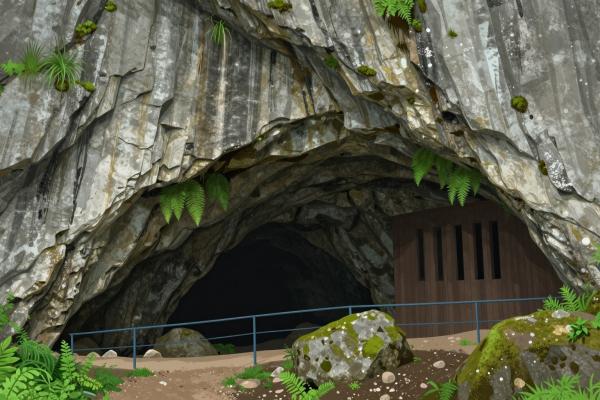
More photos coming soon
Opening Hours
- Open
- Wednesday through Sunday, 15:00 to 17:00. Closed on Mondays and Tuesdays.
Hours and prices change, especially out of season. Check with the venue before you go.
Nearby Attractions
Other places to visit in Llanes
Questions people ask
Quick Facts
Best Time to Visit
June through September offers the warmest, driest weather for coastal activities.