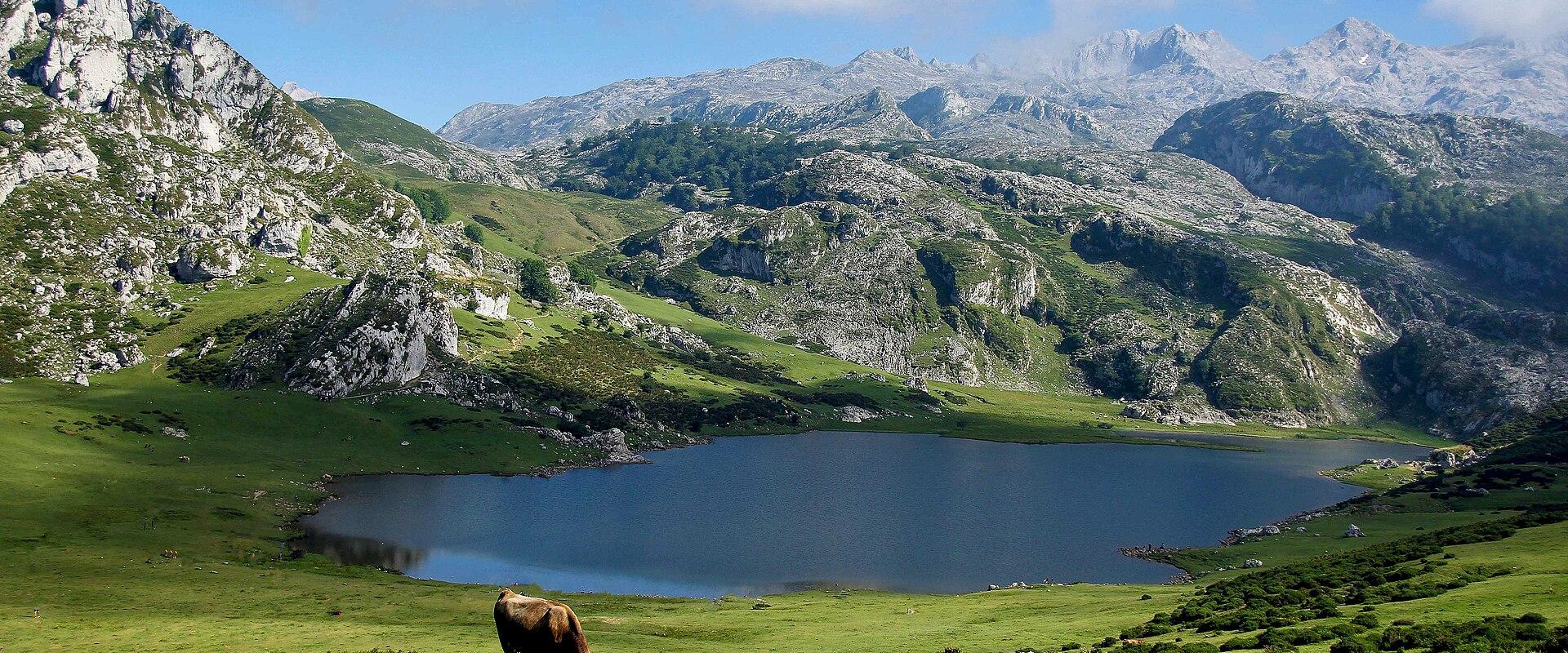
Asturias
Where the Cantabrian Sea meets the green, rugged spine of northern Spain.
- 3 destinations
- 11 attractions
About Asturias
Asturias is a region of dramatic contrasts, where lush, rain-kissed mountains plunge directly into the golden sands of the northern coast. Known locally as 'La Verde' for its emerald landscapes, it offers a temperate climate, ancient pre-Romanesque architecture, and a culinary tradition centered on cider and fresh seafood. This is a land of rugged beauty, ancient traditions, and unparalleled natural landscapes that invite exploration and reflection.
Asturias, officially known as the Principality of Asturias, is a autonomous community in northern Spain, nestled between the Cantabrian Mountains and the Cantabrian Sea. Its capital, Oviedo, is a vibrant hub known for its medieval architecture and lively university atmosphere, while the coastal city of Gijón serves as the region's economic heartbeat with its bustling port and modern amenities. The region is geographically diverse, featuring the rugged Picos de Europa mountain range to the south, known for its dramatic peaks and deep gorges, and the gentle, green coastal plains to the north, characterized by golden beaches and lush valleys. Key attractions include the historic center of Oviedo, the pre-Romanesque churches like San Juan de Baños, the coastal town of Llanes with its charming coves, and the natural parks of Picos de Europa and Cantabria. The best time to visit is during the spring and early autumn months, when the weather is mild and the landscapes are at their most vibrant. Travelers can easily reach Asturias by air via Asturias Airport (OVD) or by train, with excellent rail connections from Madrid and other major cities. Once in the region, a car is recommended for exploring the rural areas, though the region is well-connected by bus and train. Asturias is a must-visit for nature lovers, history buffs, and food enthusiasts alike, offering a unique blend of natural beauty, cultural heritage, and culinary delights.Where to go in Asturias
What to see
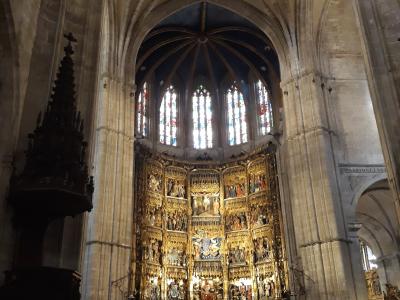
Oviedo · Cathedrals
Catedral de San Salvador
The Catedral de San Salvador is the cathedral of Oviedo, the capital of Asturias, and it stands on the site where the ki...
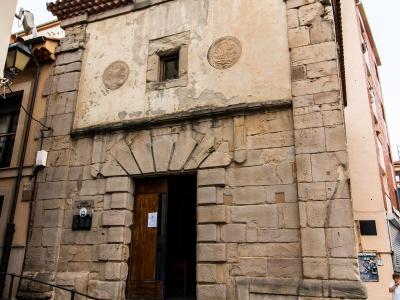
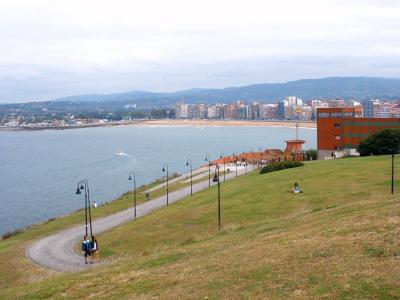
Gijon · Architectural Heritage
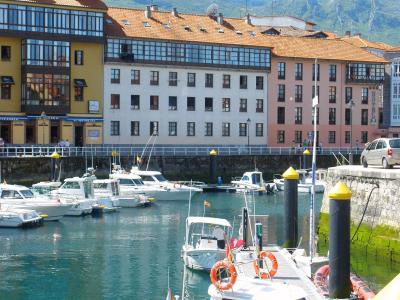
Cimavilla
Old fishing quarter in Gijon
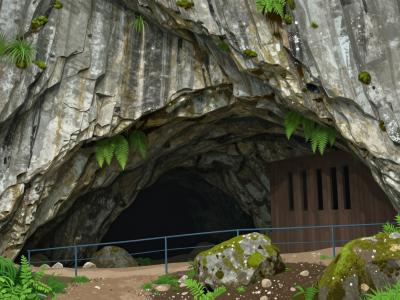
Llanes · Archaeological Museums
Cueva de El Pindal
The Cueva de El Pindal is a cave with Paleolithic paintings on the cliffs of the eastern Asturian coast, close to the bo...
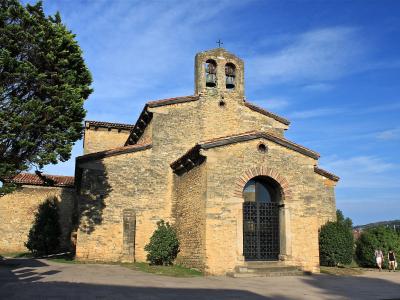
Oviedo · Architectural Heritage
Iglesia de San Julián de los Prados
The Iglesia de San Julián de los Prados, known locally as Santullano, is the largest surviving church of the Asturian pr...
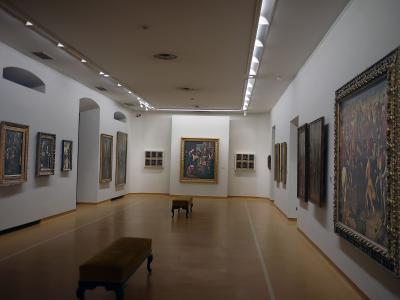
Oviedo · Art Museums
Museo de Bellas Artes de Asturias
The Museo de Bellas Artes de Asturias is the principal art museum of Asturias, and it occupies a group of historic build...
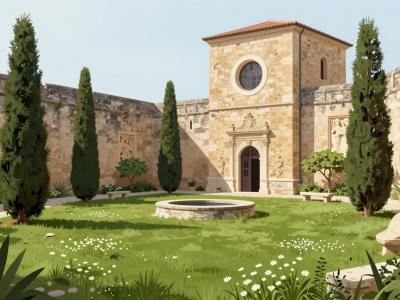
Oviedo · Gardens
Jardín de Pelayo
The Jardín de Pelayo is a small green space in the historic centre of Oviedo, the capital of Asturias, and it is best un...
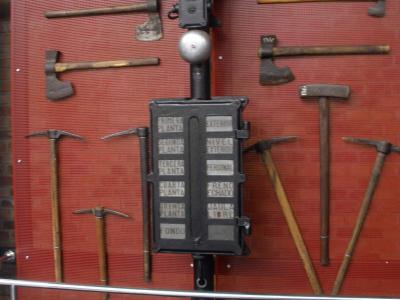
Oviedo · Historic Heritage
Museo de la Industria de Asturias
The Museo de la Minería y de la Industria de Asturias, known as the MUMI, is the museum of mining and industry of Asturi...
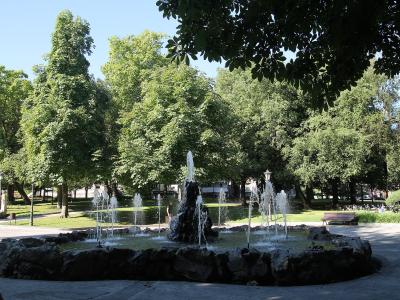
Oviedo · City Centers
Parque de San Francisco
Parque de San Francisco is the central park of Oviedo, the capital of Asturias, and it is the place where the city comes...
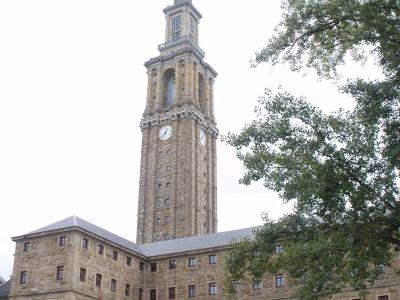
Gijon · Museums & Culture
Laboral Ciudad de la Cultura
Multidisciplinary cultural center in Gijon, Spain
Itineraries for Asturias
Day-by-day routes you can follow as written or borrow from.