







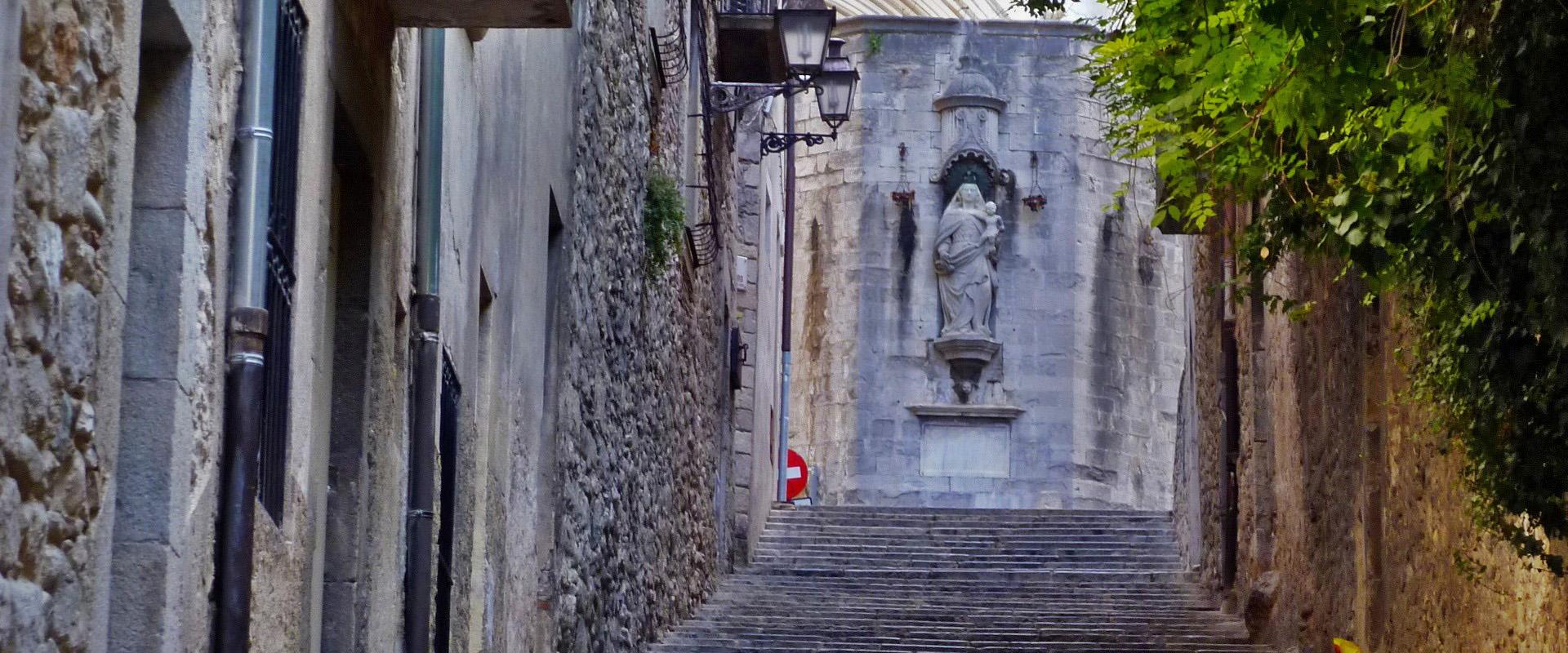
Jewish Quarter (El Call)
- Where
- Girona, Catalonia
- Directions
- Directions
El Call is the medieval Jewish quarter of Girona, and it is one of the best-preserved in Europe. It forms part of the Força Vella, the old fortified town on the hill, inside the line of the Roman walls, and it is built on a slope between the cathedral and the Onyar river. The Jewish community of Girona is documented from the early Middle Ages and was among the most important in Catalonia, until its end in 1492, when the Catholic Monarchs ordered all Jews in their kingdoms to convert or leave. The quarter's name comes from the Catalan word call, which may derive from a Hebrew word meaning assembly, and the term is used for Jewish quarters throughout Catalonia.
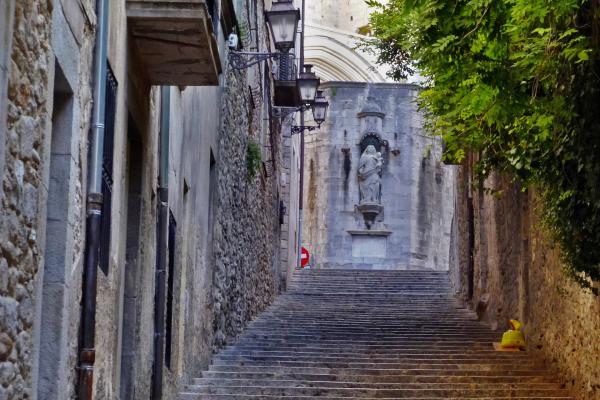
What makes El Call so special is its layout. The streets are narrow and steep, often reduced to stairways and alleys, and many are lined with tall stone houses that are joined across the street by arches. Small courtyards and passages open off the main lane, the Carrer de la Força, which follows the line of the Roman road, the Via Augusta. The streets are so tight that the quarter feels like a maze, and it is easy to get lost. Unlike the ghettos of later periods, El Call was a self-governing community, with its own administration, synagogue, schools and ritual baths, and daily contact with the Christian town.
Girona was also a centre of Jewish learning. In the twelfth and thirteenth centuries, a school of Kabbalah developed here, and the best-known scholar of the town was Moses ben Nahman, known as Nahmanides, who was born in Girona in 1194 and became one of the leading rabbis of the Middle Ages. The Bonastruc ça Porta Centre, named after the Catalan version of his name, occupies a building in the quarter and holds a museum of the history of the Jews of Catalonia, with an exhibition on daily life and religious customs, as well as a research library and an institute.
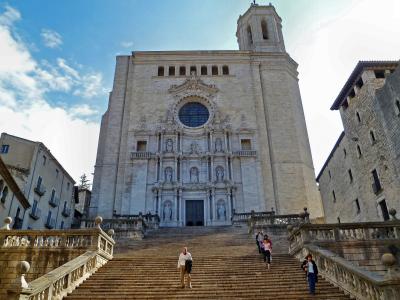
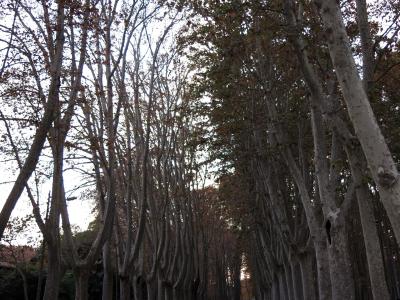
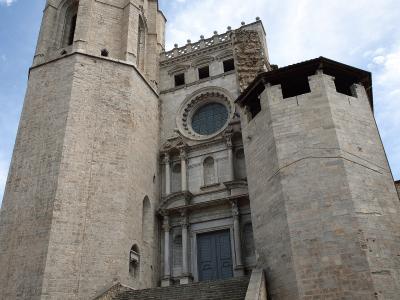
A walk through El Call is a walk through the layers of the medieval city. The route leads past the cathedral stairs, the Basilica of Sant Feliu and the Arab Baths, and the Pujada de Sant Domènec, a stair lined with trees. Signs and panels in several languages provide historical information. Most of the quarter is a public area, open at any time, so you can explore at your own pace.
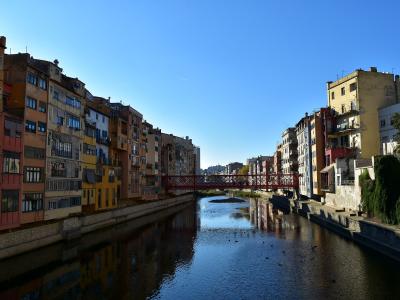
It suits walkers, history lovers and photographers, and it combines easily with a visit to Girona Cathedral, the Onyar River Houses and the Plaça de la Independència. Early morning or late afternoon gives the best light and fewer crowds.
More photos coming soon
Nearby Attractions
Other places to visit in Girona
Questions people ask
Quick Facts
Best Time to Visit
May through October offers warm, dry weather ideal for exploring the city.