







Onyar River Houses
- Admission
- Free
- Hours
- Contact the attraction directly for opening hours
- Where
- Girona, Catalonia
- Directions
- Directions
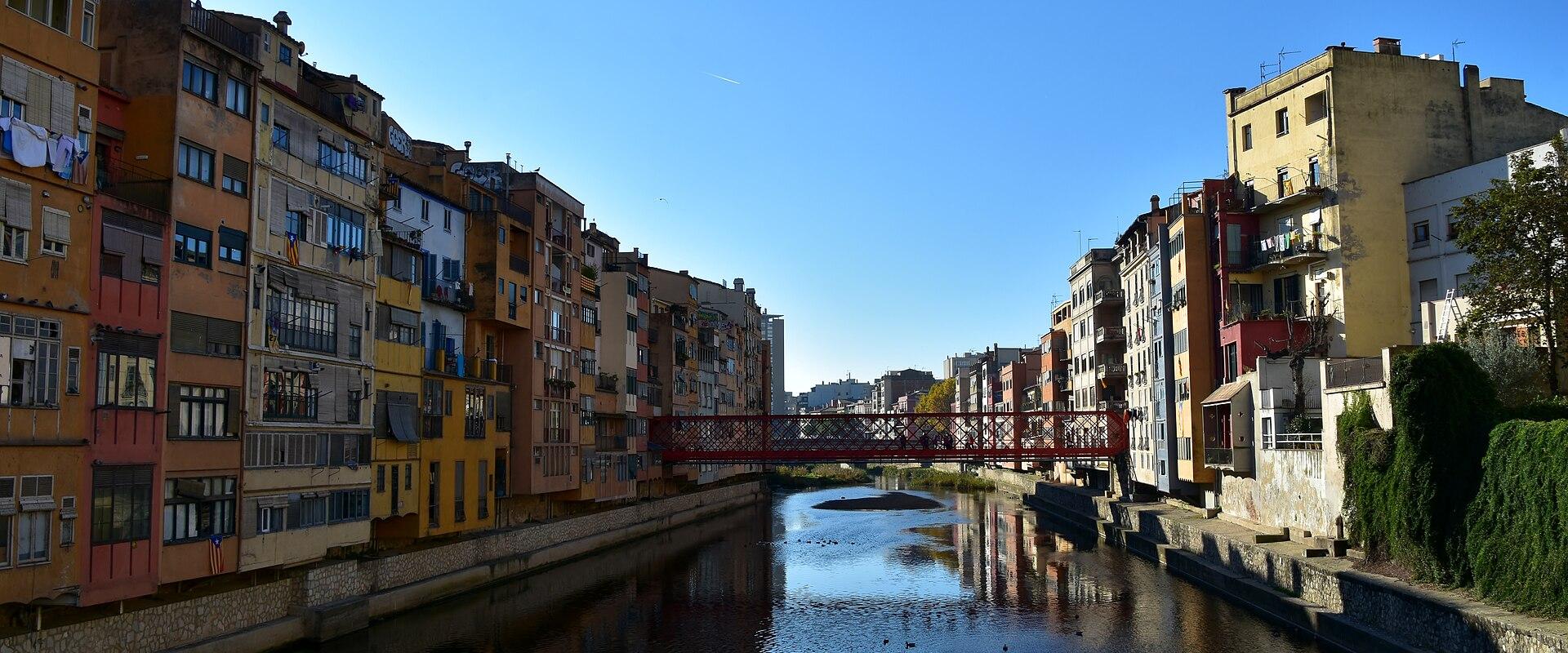
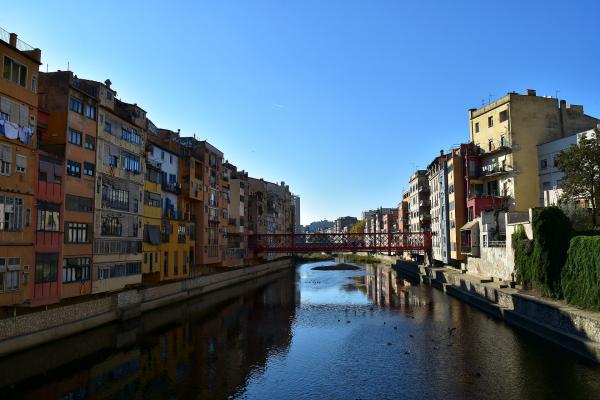
Girona’s Onyar River Houses, known in Catalan as the Cases de l’Onyar, are the image of Girona that appears on postcards: a row of tall houses in red, ochre, yellow and green, standing shoulder to shoulder on the banks of the Onyar, with their reflections in the water below. The river divides the old medieval town on the east bank from the nineteenth-century districts on the west, and the houses face the newer side, so the view from the bridges is of the old town’s backs rather than its fronts. Many of them were built on top of the former city walls and on medieval foundations, and their lower parts rise straight from the river, while upper floors were extended with balconies and galleries over the centuries.
The present look is the result of changes in the nineteenth and twentieth centuries, and of a restoration of the façades in recent decades. For a long time many of the houses were run down, but the city repainted and rehabilitated them in a coordinated colour scheme that brought the riverfront back to life. Some buildings are private homes, some have shops and cafes on the lower floors, and a few hold small hotels. Because the houses are lived in, the interiors are not open to visitors, and the attraction is entirely the view.
The best views are from the bridges. The red iron Pont de les Peixateries Velles, a latticed footbridge built in the late nineteenth century in the workshop of Gustave Eiffel, is the most famous, and it frames the houses with the cathedral and the tower of the church of Sant Feliu behind. The stone Pont de Pedra and the Pont de Sant Feliu offer other angles, and the riverside walkways on either bank give changing views. At dusk, when the lights come on, the colours reflect in the river, and photographers gather on the bridges. The old town’s steep streets climb behind the houses.
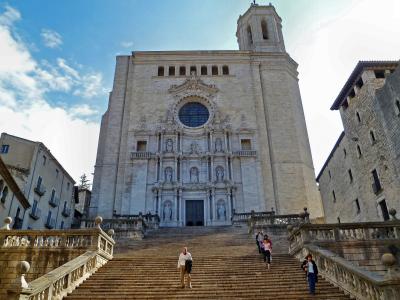
The area is easy to explore on foot, and Girona lies in Catalonia, Spain. Girona Cathedral, the Jewish Quarter of El Call and the Basilica of Sant Feliu are a short walk from the riverfront, and the Plaça de la Independència and the Rambla de la Llibertat, a pedestrian street with cafes, are on the other side. The Parc de la Devesa is downstream, and the Girona Art Museum and the monastery of Sant Pere de Galligants are among the other stops in the old town.
Viewing the houses costs nothing, and they can be seen at any time of day. Early morning has the quietest bridges, and the light is soft. Girona is on the high-speed train line between Barcelona and France, so the city is easily reached for a day trip.
More photos coming soon
Hours & Fees
- Open
- Contact the attraction directly for opening hours
- Admission
- Free
Hours and prices change, especially out of season. Check with the venue before you go.
Nearby Attractions
Other places to visit in Girona
Questions people ask
Quick Facts
Best Time to Visit
May through October offers warm, dry weather ideal for exploring the city.