







- Where
- Tenerife, Canary Islands
- Directions
- Directions
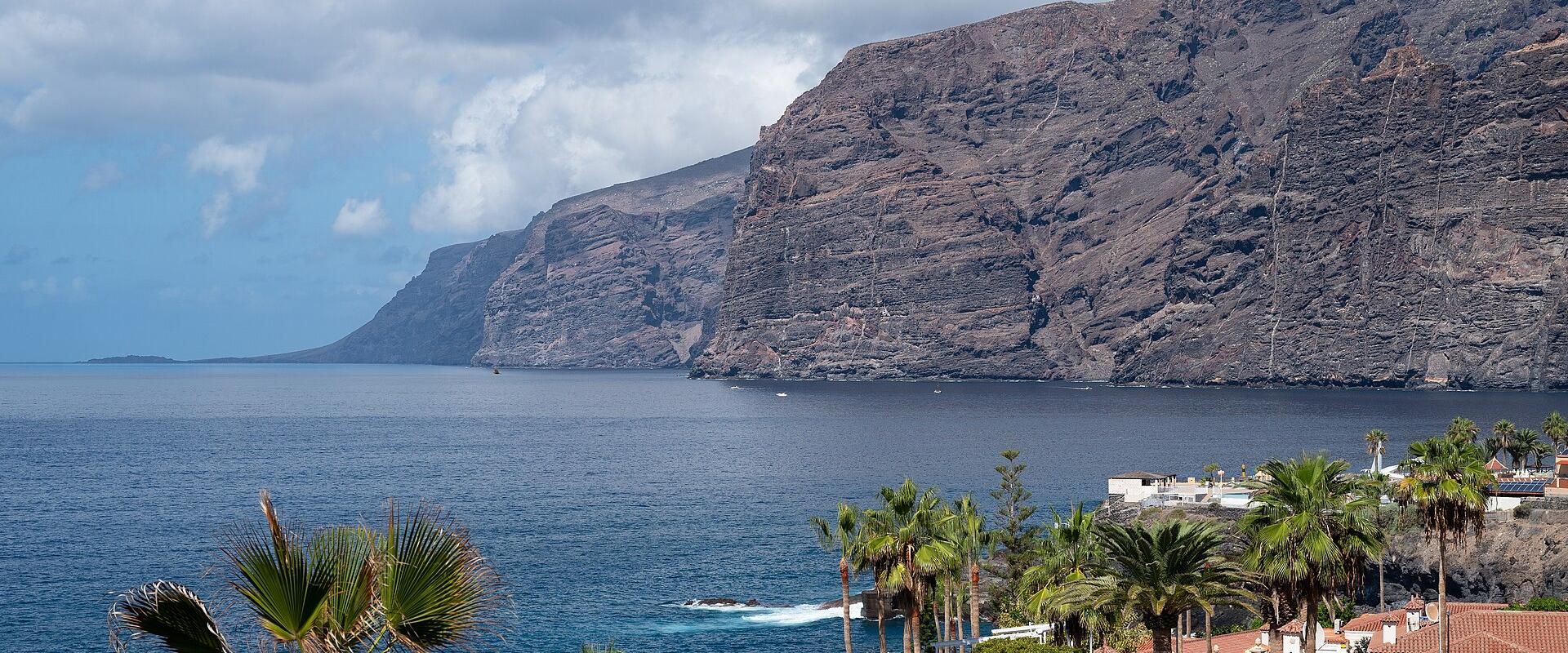
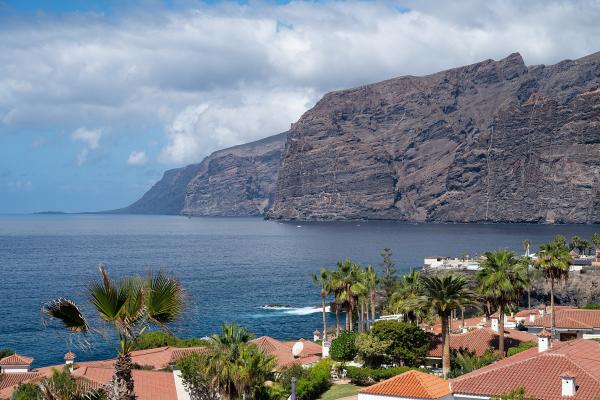
The cliffs of Los Gigantes, the Giants, rise out of the Atlantic on the west coast of Tenerife, in the municipality of Santiago del Teide, and they are among the most dramatic sea walls in the Canary Islands. Black basalt faces drop almost vertically into the water, with heights that reach several hundred metres, and the highest sections are commonly quoted at around six hundred metres above the sea. They were formed by volcanic activity, in layers of lava and ash that were cut into a sheer wall by the waves and by the collapse of the coast. The old islanders, the Guanches, are said to have called the cliffs the Wall of Hell, a name that conveys their forbidding look, and the present name suggests giants standing guard over the shore.
The cliffs are at their best seen from the water. Boat trips leave from the small marina at the foot of the town of Los Gigantes, and they pass beneath the walls so that you can appreciate their height, the colours of the rock and the caves and arches at their base. These waters are also famous for marine life. The channel between Tenerife and La Gomera is home to a resident population of short-finned pilot whales and bottlenose dolphins, which can often be seen all year round, and the area has been protected as a special zone for whales and dolphins. Responsible tour operators observe guidelines to avoid disturbing the animals. Snorkelling, kayaking and diving are also popular, with clear water and rocky reefs close to shore.
On land, a number of viewpoints offer different perspectives. The Mirador de Archipenque, above the town, gives a wide view along the cliff line and out to La Gomera, and it is a favourite for sunset. The village of Los Gigantes itself is a resort of white buildings spilling down a hillside toward the harbour, with a small black sand beach, the Playa de la Arena, nearby, and another, Playa de los Guíos, beneath the cliffs. The contrast of the dark sand, the black rock and the deep blue sea gives the coast a distinctive look. The neighbouring town of Puerto de Santiago has a lively seafront.
The cliffs themselves cannot be climbed, and the area below them is dangerous because of rockfalls, so visitors should respect signs and stay at a safe distance. The sea can be rough, and boat trips are cancelled in bad weather. The west coast of Tenerife is sunnier and drier than the north, which makes it a popular holiday area.
The cliffs suit families, nature lovers and photographers, and a boat trip takes two to three hours. The Teide National Park and the village of Masca are within reach by road.
Categories
More photos coming soon
Nearby Attractions
Other places to visit in Tenerife
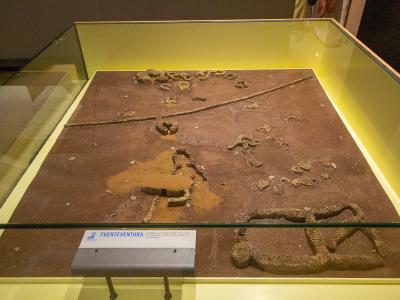
Museo de la Naturaleza y el Hombre
Archaeological Museums · Geological Sites
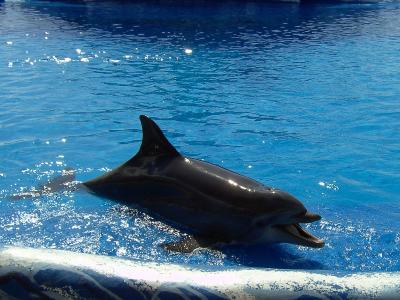
Aqualand Costa Adeje
Water park with dolphin show in Costa Adeje
From €35 Wellness & Leisure
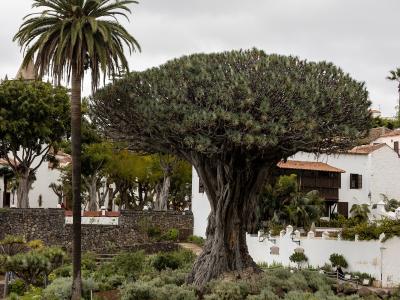
Dragon Tree (Icod De Los Vinos)
Home to the world's oldest dragon tree
Nature & Outdoors · Geological Sites
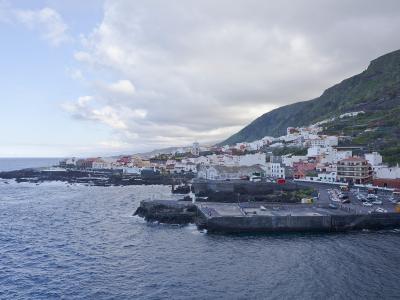
Garachico
18th-century historic town in northern Tenerife
Coastal Views · Geological Sites
Questions people ask
Quick Facts
Best Time to Visit
May through October offers ideal weather with warm temperatures and fewer crowds.