







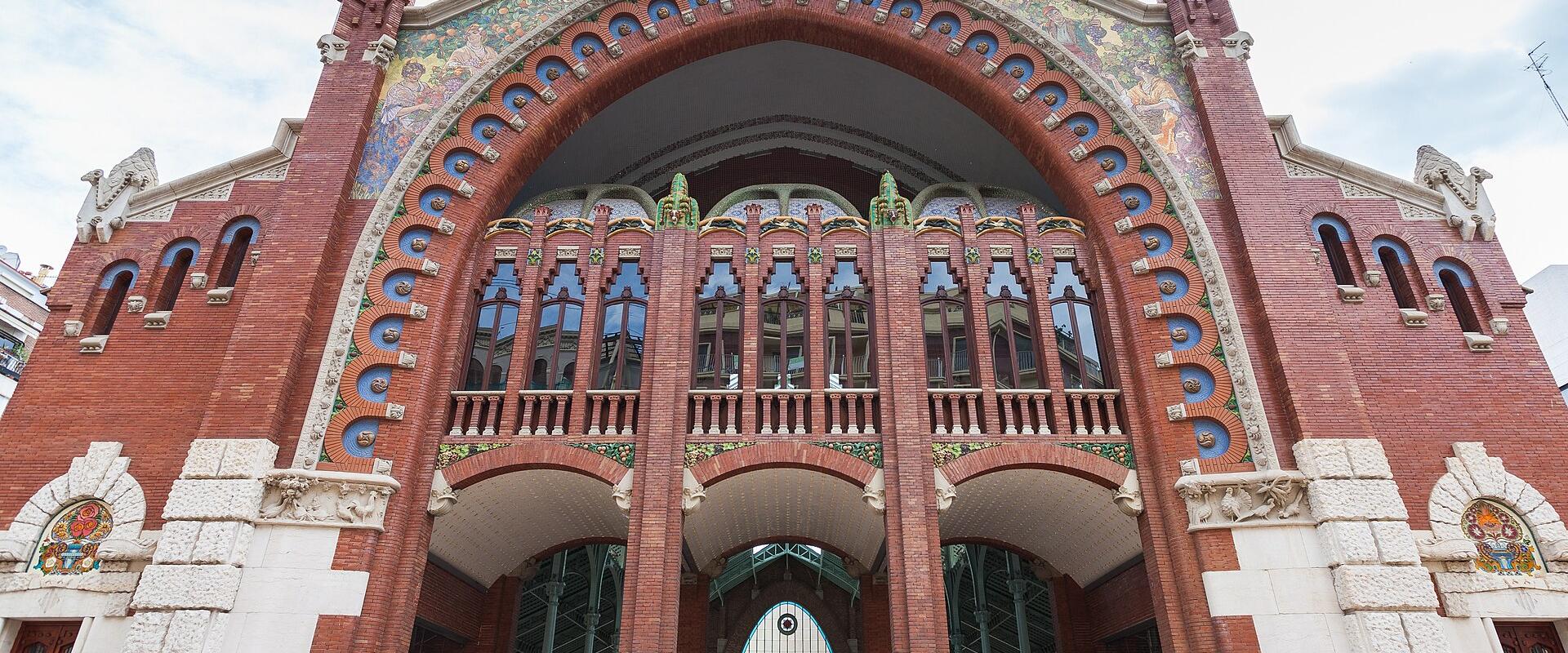
Mercado de Colón
- Admission
- Free
- Where
- Valencia, Valencia
- Directions
- Directions
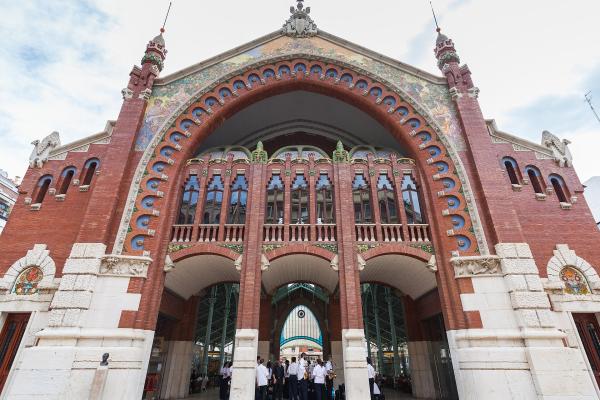
The Mercado de Colón is a market hall in Valencia that has become a gathering place for food and drink, set in the Eixample district, the nineteenth-century extension of the city, on a street named after Columbus. It was designed by the architect Francisco Mora Berenguer and opened in 1916 as a covered market for the well-off residents of the new neighbourhood. It is one of the best-known examples of Valencian Modernisme, the local version of Art Nouveau, with a mix of exposed brick, stone, wrought iron and bright ceramic tiles. The lively detail of the façades, the arched entrances and the metalwork show how much care was lavished on what might have been a simple utilitarian structure.
As in many other cities, the traditional food market declined in the later twentieth century, and the building was restored and reopened in the early 2000s with a new use. Today it houses a collection of cafes, restaurants and shops under a high iron-and-glass roof, with outdoor terraces on the sides. The spaces below the main hall hold more seating, and the large dome-like roof lets in natural light. The market works as a place to meet for breakfast, a vermouth before lunch, a coffee in the afternoon or dinner.
Typical Valencian flavours are easy to find here. The Horchatería Daniel is a well-known name for horchata, the sweet, creamy drink made from tiger nuts, usually served ice-cold with fartons, long sugar-dusted pastries that you dip into it. Elsewhere you find tapas, rice dishes, seafood, pastries and coffee, as well as more modern and international cooking. The mix of traditional and contemporary is part of the appeal, and the place is popular with families, office workers and tourists alike.
The building is also worth a look for its architecture alone. Look up at the roof structure, down at the tiled floors and around at the details of the glazed brick and wrought iron. In the same district, the Estación del Norte, the main railway station, and the bullring are other examples of early twentieth-century architecture. The Mercado Central and the Lonja de la Seda are a short walk or tram ride away in the old town.
It suits food lovers, architecture fans and anyone looking for a comfortable stop after shopping in the Eixample. Prices are higher than in a traditional market, and busy times such as weekend mornings can be crowded, so come early or off-peak.
Categories
More photos coming soon
Admission Fees
- Admission
- Free
Hours and prices change, especially out of season. Check with the venue before you go.
Nearby Attractions
Other places to visit in Valencia
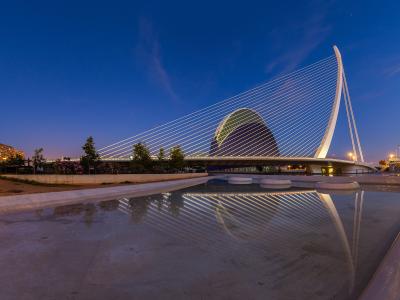
City of Arts and Sciences (Ciudad de las Artes y las Ciencias)
Architectural Heritage · Cultural Centers
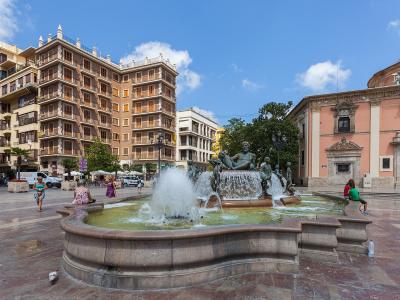
Plaza de la Virgen
Historic Heritage · Urban Exploration
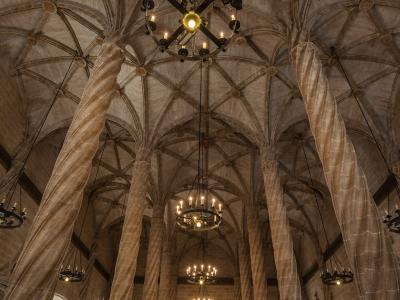
Lonja de la Seda (Silk Exchange)
From €2 Historic Heritage · Architectural Heritage
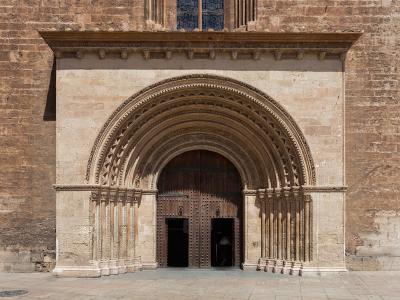
Valencia Cathedral (Catedral de Valencia)
From €6 Architectural Heritage · Cathedrals
Questions people ask
Quick Facts
Best Time to Visit
May through October offers warm, sunny weather ideal for beach activities and outdoor exploration.