







Museo de Bellas Artes de Valencia (Museo de Bellas Artes)
- Where
- Valencia, Valencia
- Directions
- Directions
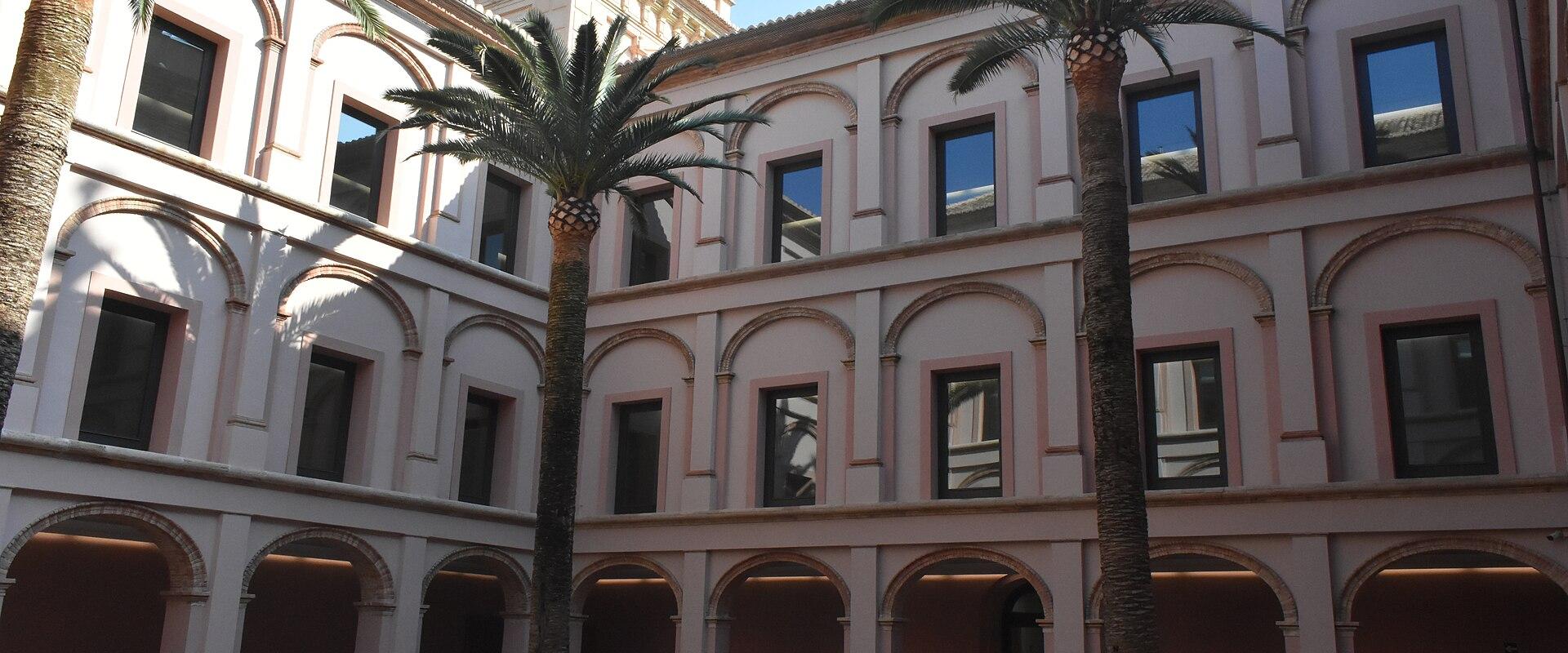
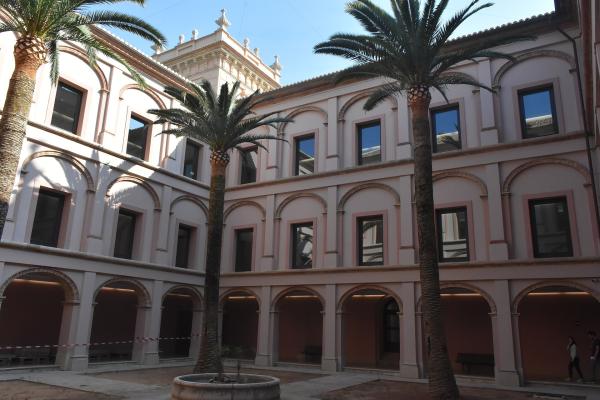
The Museo de Bellas Artes de Valencia is one of the most important art museums in Spain, often ranked after the Prado among the country's great picture galleries, and it stands in the historic centre of Valencia, on the edge of the old town next to the gardens of the Turia riverbed. It occupies a large building, the former Colegio-Seminario de San Pío V, the college and seminary of Saint Pius V, which was founded in the seventeenth century and built in the Baroque style, with a pale stone façade, a blue-tiled dome on its chapel and cloisters that now serve as quiet gallery spaces. The museum as an institution grew out of collections taken from the convents suppressed in the early nineteenth century, and it moved to this building in the twentieth.
The core of the collection is Valencian painting. It follows the story of the region's art from the medieval period, through Gothic altarpieces with gilded backgrounds and the arrival of Renaissance ideas, into the sixteenth and seventeenth centuries, when Valencia was a major artistic centre. Juan de Juanes, the leading Valencian painter of the Renaissance, is represented by devotional works with a sweet, polished manner, and Francisco Ribalta, who brought a dramatic realism and strong contrast of light and dark to Valencian art, is shown in several large canvases, as well as works by Jusepe de Ribera, who was born near Valencia and became a famous painter in Naples.
The museum also has works by artists from other parts of Europe and Spain. A self-portrait by Velázquez, small and intimate, is one of its best-known pieces, and works by El Greco, including a painting of Saint John the Baptist, and by Goya, show some of the great names of Spanish art. The galleries include Flemish painting, sculpture, drawings and decorative objects, as well as a large series of engravings by Piranesi. Later rooms concentrate on the nineteenth and early twentieth centuries and include a room dedicated to Joaquín Sorolla, the Valencian master of light and the sea, whose paintings of beaches and everyday scenes have a luminous quality.
The building and its setting are part of the attraction. The cloisters, with their arcades and gardens, create a calm space between gallery visits, and the long galleries are well lit. Temporary exhibitions complement the permanent collection, and the museum is managed by the regional government of Valencia.
The museum lies near the Turia Gardens, beside the Pont de la Trinitat and the Jardins del Real, and is a short walk from the old town, with the Plaza de la Virgen, the Valencia Cathedral and the Mercado Central within walking distance. It suits art lovers and those who like a quiet interlude, and a visit takes around two hours. Check the current opening times and ticket policy before going.
Categories
More photos coming soon
Nearby Attractions
Other places to visit in Valencia
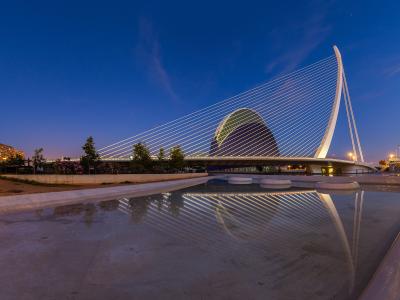
City of Arts and Sciences (Ciudad de las Artes y las Ciencias)
Architectural Heritage · Cultural Centers
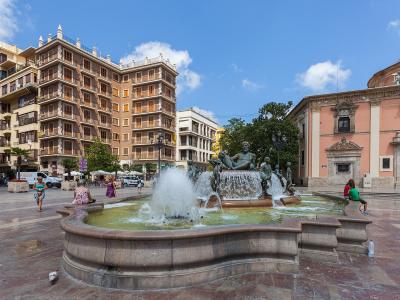
Plaza de la Virgen
Historic Heritage · Urban Exploration
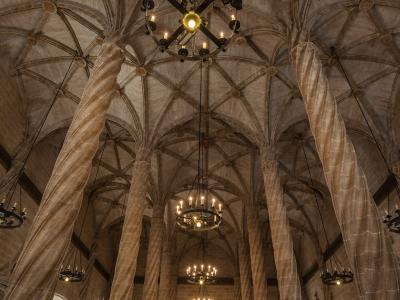
Lonja de la Seda (Silk Exchange)
From €2 Historic Heritage · Architectural Heritage
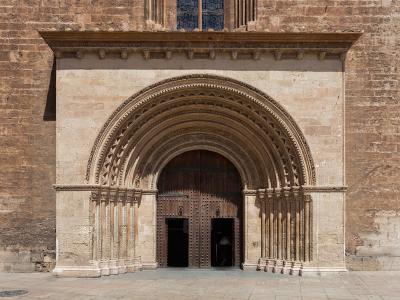
Valencia Cathedral (Catedral de Valencia)
From €6 Architectural Heritage · Cathedrals
Questions people ask
Quick Facts
Best Time to Visit
May through October offers warm, sunny weather ideal for beach activities and outdoor exploration.