







Museo de Cerámica
- Where
- Valencia, Valencia
- Directions
- Directions
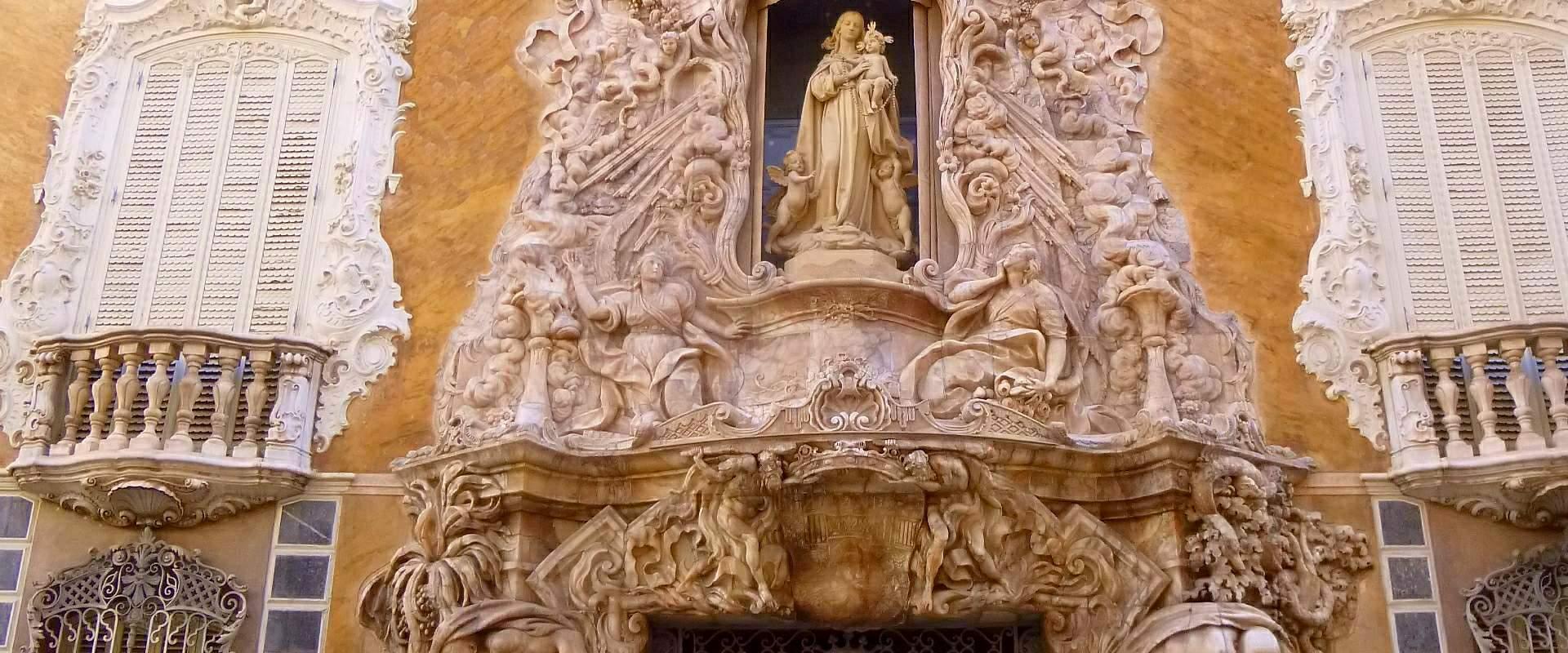
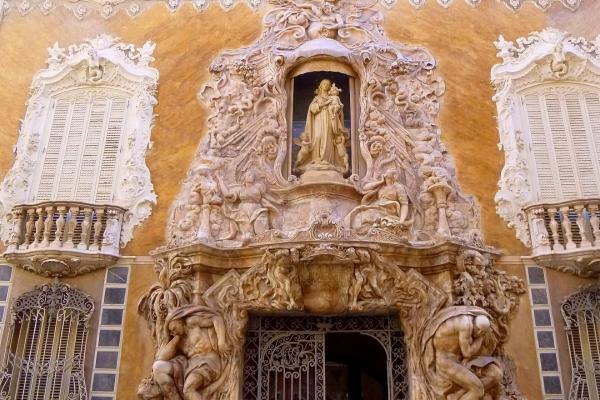
The Museo Nacional de Cerámica y de las Artes Suntuarias González Martí, the National Museum of Ceramics and Decorative Arts, is housed in one of the most striking buildings in Valencia: the Palace of the Marqués de Dos Aguas, an eighteenth-century Historical-Artistic Monument that is famous for the extravagant alabaster doorway on its front. The portal was carved in the 1740s by the sculptor Ignacio Vergara to a design by the painter Hipólito Rovira, and it is a masterpiece of Spanish Rococo, a riot of curving forms, figures and ornament. Two muscular figures of river gods flank the door, pouring water from jars, and they represent the two rivers, the Turia and the Júcar, which gave the family its title, Dos Aguas, meaning Two Waters. Above the doorway, a statue of Our Lady of the Rosary completes the composition. The doorway is one of the most photographed monuments in Valencia’s old centre, and its style is Baroque and Rococo.
The palace was the residence of a noble family and its rooms show the taste of the eighteenth and nineteenth centuries. The interior, remodelled in the nineteenth century, has rooms in a mix of styles, from Rococo ballrooms with gilded decoration and painted ceilings to a Chinese-style salon in the taste of Chinoiserie with lacquer and silk, and a grand staircase. The kitchen, with its tiled walls and equipment, is a reminder of how such a household worked. These rooms are part of the display, and they offer a setting for furniture, carriages, textiles and other decorative arts.
The museum takes its name from Manuel González Martí, a ceramics scholar and collector from Valencia whose collection formed the basis of the museum when it was founded in the 1940s. It is a museum of ceramics above all, with the broadest collection of pottery and tiles in Spain’s museums, covering more than a thousand years of production. There are examples of Islamic-period pottery, medieval pieces, and the glazed wares of Paterna and Manises, near Valencia, which were renowned across Europe from the Middle Ages, with their gleaming metallic lustre. Tiles, or azulejos, show the way they decorated walls, floors and kitchens. The collection continues to modern and contemporary work, with pieces by twentieth-century artists, including a group of ceramics by Picasso, and Chinese and European porcelain extends the range.
The museum also organises workshops, concerts and guided visits, and the programme changes during the year. A visit takes between one and one and a half hours, although it is easy to spend longer in the palace rooms. The address is Calle Poeta Querol 2, in the historic centre, a few minutes’ walk from the cathedral and the Plaza de la Virgen. The Museo de Bellas Artes and the Turia Gardens are within reach, and the Central Market is not far away.
Check the official site for current opening hours and ticket prices.
Categories
More photos coming soon
Nearby Attractions
Other places to visit in Valencia
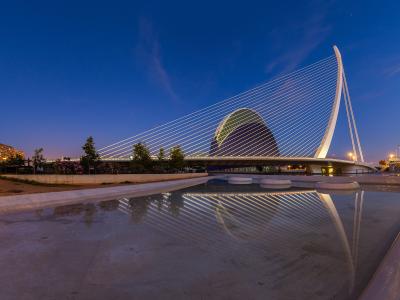
City of Arts and Sciences (Ciudad de las Artes y las Ciencias)
Architectural Heritage · Cultural Centers
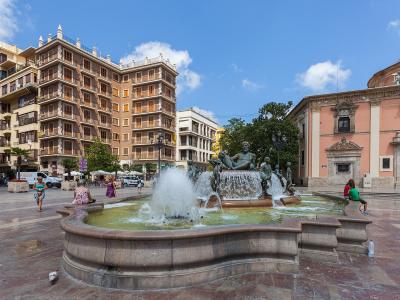
Plaza de la Virgen
Historic Heritage · Urban Exploration
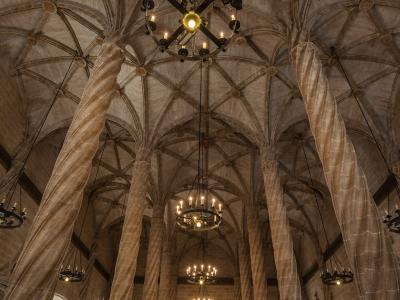
Lonja de la Seda (Silk Exchange)
From €2 Historic Heritage · Architectural Heritage
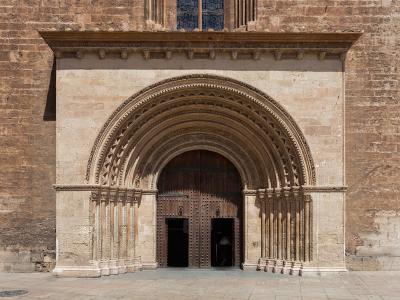
Valencia Cathedral (Catedral de Valencia)
From €6 Architectural Heritage · Cathedrals
Questions people ask
Quick Facts
Best Time to Visit
May through October offers warm, sunny weather ideal for beach activities and outdoor exploration.