







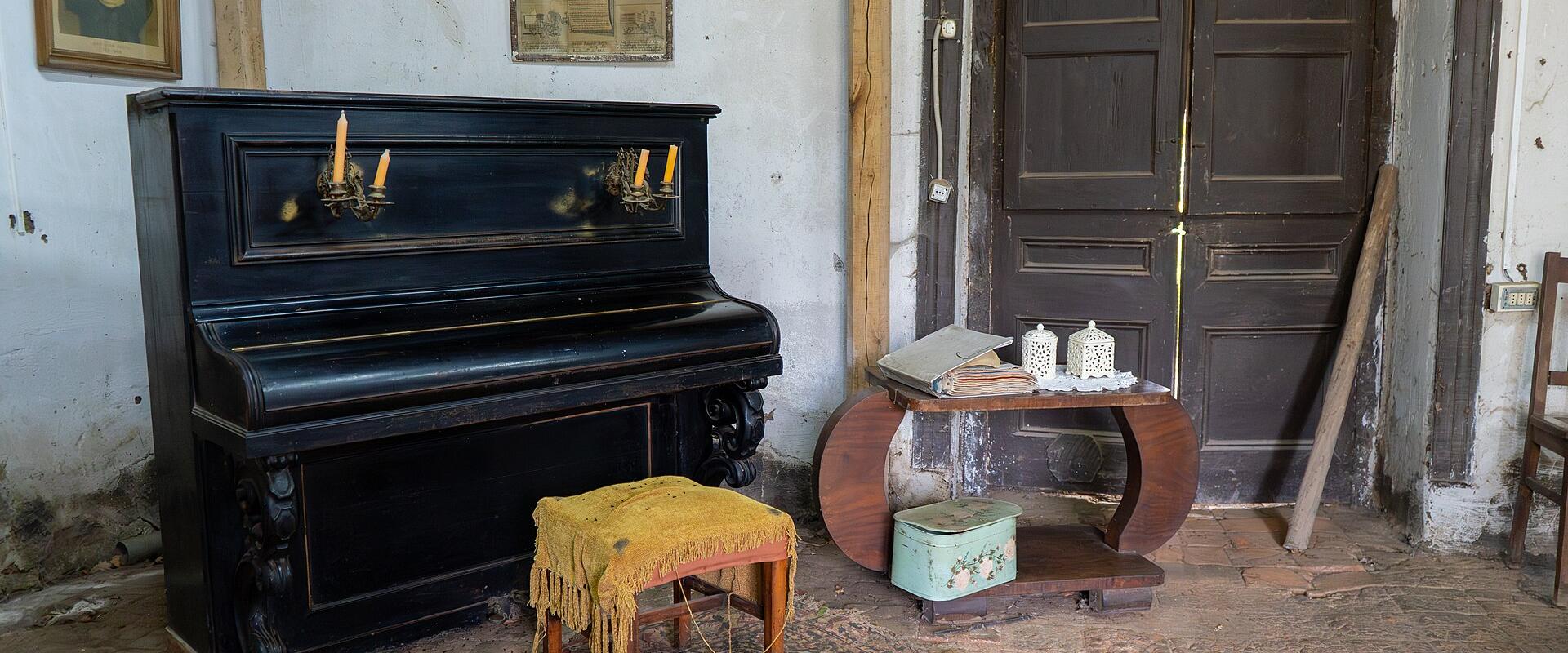
Museo de la Vida Rural (Nearby Context)
- Where
- Artajona, Navarre
- Directions
- Directions
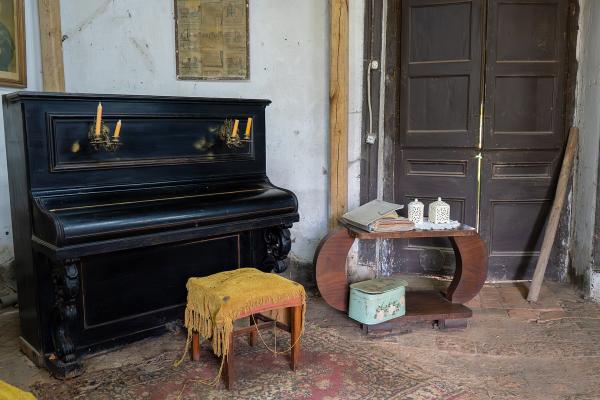
Artajona is a small town in central Navarre, on a hill some thirty kilometres south of Pamplona, and it is one of the best examples in the region of a fortified medieval town. Museums of rural life in Navarre generally collect the tools, furniture, clothing and household objects of farming families, and they explain how people worked the land, raised animals and stored food through the year. Such places are small, local and run with limited hours.
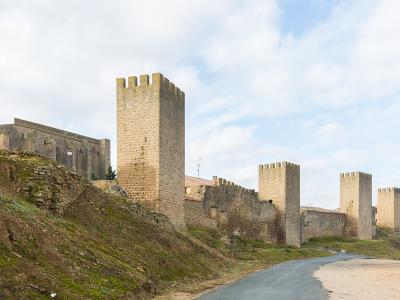
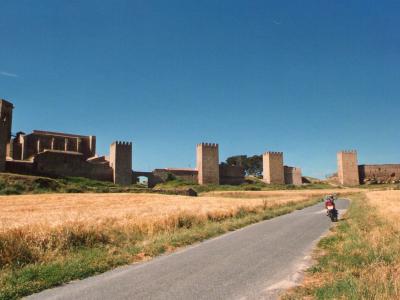
The main attraction of Artajona is its Cerco, the walled enclosure that surrounds the old hilltop town. The defensive ring, with towers placed at regular intervals, dates to the medieval period, and large parts of it have been preserved or restored, making the town one of the most complete walled settlements in Navarre. Inside, the streets are narrow and steep, lined with stone houses with wooden eaves and coats of arms, and the layout is typical of a fortified village. From the walls, there are views across the wheat fields, vineyards and olive groves of the Navarrese plain.
At the top of the hill stands the church of San Saturnino, a Gothic church that was built as part of the defences. Its massive walls are crowned by battlements and a defensive tower, and it looks more like a castle than a church, which is why it is often photographed. It forms the centre of the enclosure and marks the highest point. The remains of the castle and its keep are nearby. The combination of church and fortress shows how the community protected itself in unsettled times.
Artajona lies on a branch of the Camino de Santiago, the pilgrimage route that crosses northern Spain, so pilgrims sometimes pass through. The surrounding landscape belongs to the rural heartland of Navarre, with cereals, vines and asparagus as typical crops, and local food is simple and hearty. The countryside also holds prehistoric monuments, among them dolmens, which are stone burial chambers from thousands of years ago, in the hills nearby.
A visit to the town takes a couple of hours and suits people who like quiet villages and walls, as well as families interested in how people lived in the past. If you wish to see the rural museum, ask at the town hall or the local tourist information point about hours and access, since small museums often open only on request. The Castle of Artajona and the town walls can be explored on foot at any time.
Categories
More photos coming soon
Nearby Attractions
Other places to visit in Artajona
Questions people ask
Quick Facts
Best Time to Visit
May through September offers warm, dry weather ideal for exploring the village.