







Navarre Regional Landscape
- Where
- Artajona, Navarre
- Directions
- Directions
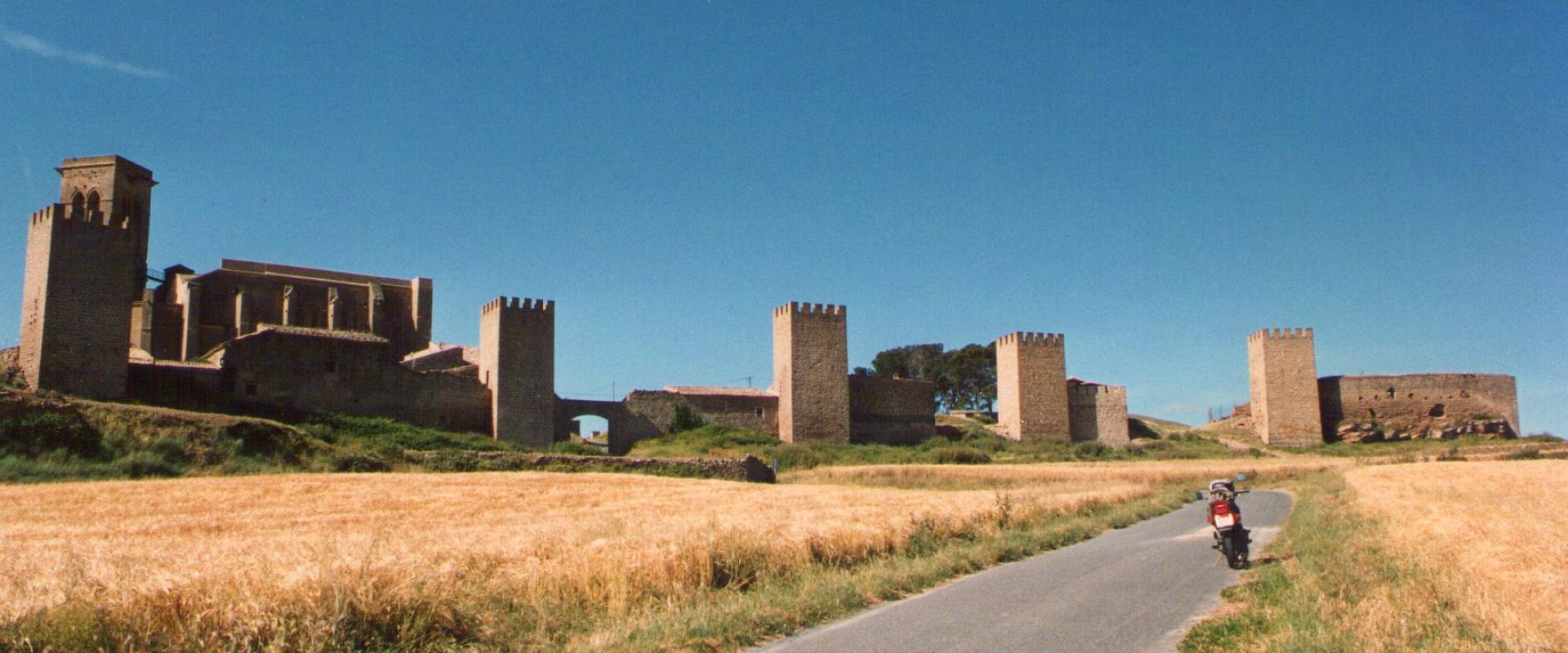
The landscape around Artajona, in Spain, is typical of the Zona Media, the Middle Zone of Navarre, a region of gentle hills and open plains that lies between the green Pyrenean valleys of the north and the dry plains of the Ebro valley in the south. Artajona sits on a hill rising above this countryside, with the walled enclosure of El Cerco at its summit, and from the walls and the streets around the church of San Saturnino the view extends across fields of cereals, vineyards and olive groves to the hills and, on a clear day, to mountains in the distance. The sense of space and distance is one of the main pleasures of a visit.
The countryside has a character of its own, shaped by centuries of farming. In spring the wheat and barley turn green and then golden in early summer, while almond trees flower in late winter and the vines come into leaf. Autumn is a good time to visit, when the grape harvest is under way and the fields are ploughed. The soil is red and brown, and small villages built of stone and brick dot the plain, each with a church tower or fortified walls visible from a distance. The climate is a mix of Atlantic and Mediterranean, with cold winters and hot, dry summers, and the wind is often strong on the high ground.
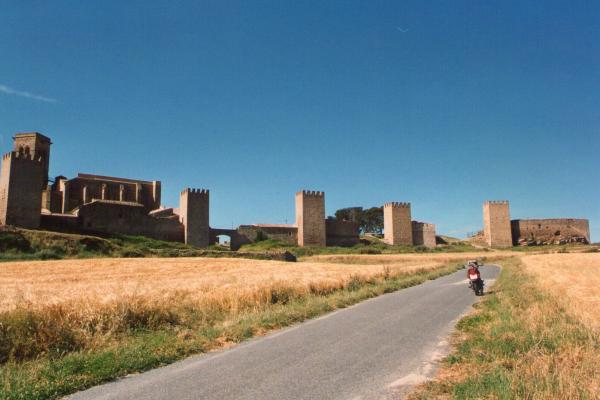
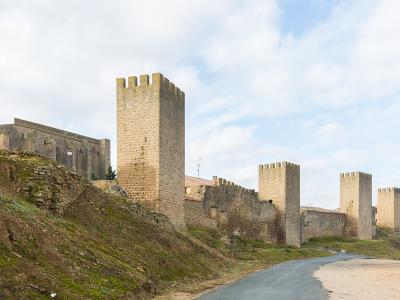
The area is rich in history. The Middle Zone was a frontier region in the Middle Ages, when the Kingdom of Navarre needed strong points against Castile, and towns such as Artajona, Olite and Ujué developed fortified centres on hilltops. At Artajona the medieval enclosure, El Cerco, is dated by local sources to the eleventh century, and the sources give differing figures for the number of towers it once had, with numbers from fourteen to seventeen quoted and nine reported as still standing. The village has been called Little Carcassonne, after the walled city in France, because of its walls, a comparison that conveys the impression it gives from a distance. There are also prehistoric remains in the district, such as megalithic tombs, which reflect the long human presence.
Guided tours are offered for the walled enclosure and the Church of San Saturnino, and they explain how the defences worked and how the town developed within them. The church is known locally for a custom of its bells, which are rung in an unusual manner, and visitors are often told the story during the tour. The village is small and easy to explore on foot, with narrow streets, old mansions and a quiet atmosphere. It lies not far from the pilgrim routes of the Camino de Santiago in Navarre, and the Museo de la Vida Rural gives context on traditional country life.
A visit takes an hour or two, and the area suits slow travel by car or bicycle, with stops in other villages. Spring and autumn are the most pleasant seasons.
Categories
More photos coming soon
Nearby Attractions
Other places to visit in Artajona
Questions people ask
Quick Facts
Best Time to Visit
May through September offers warm, dry weather ideal for exploring the village.