







Museo de Salamanca
- Where
- Salamanca, Castile and León
- Directions
- Directions
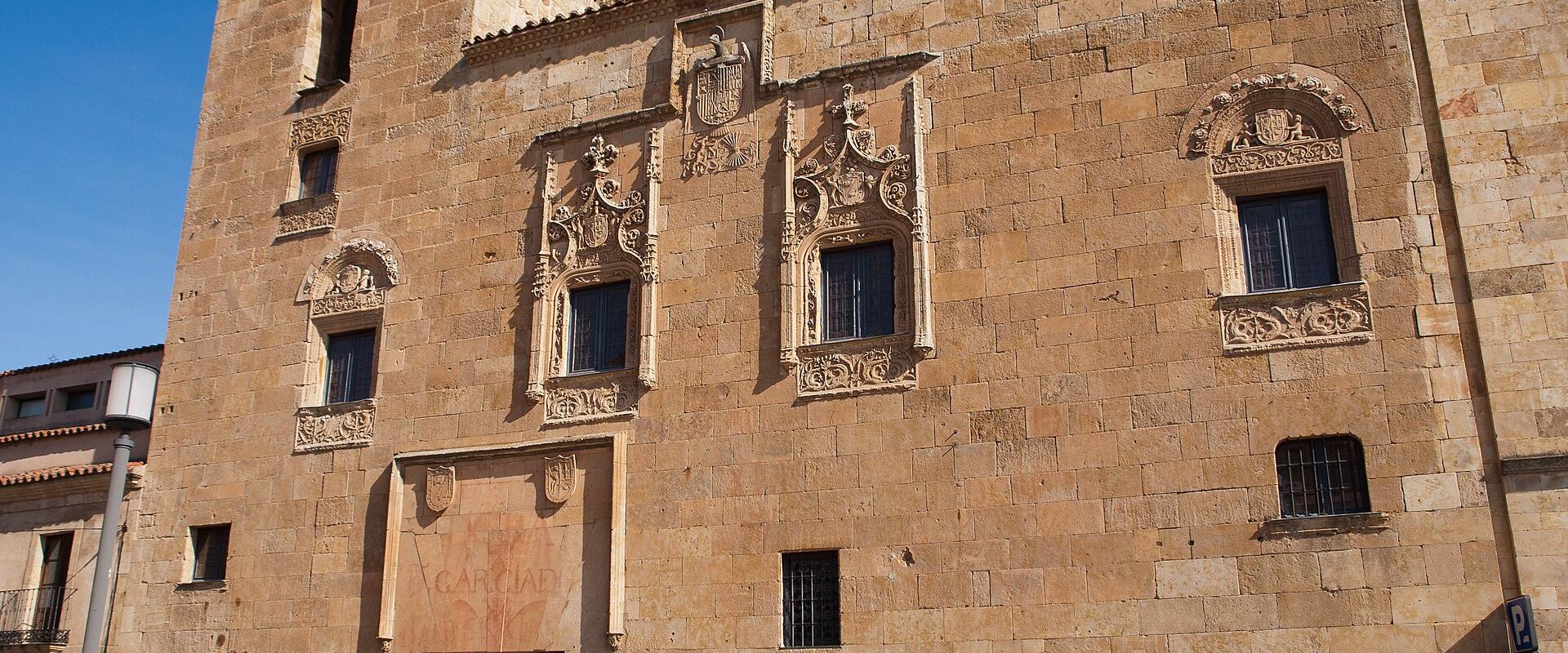
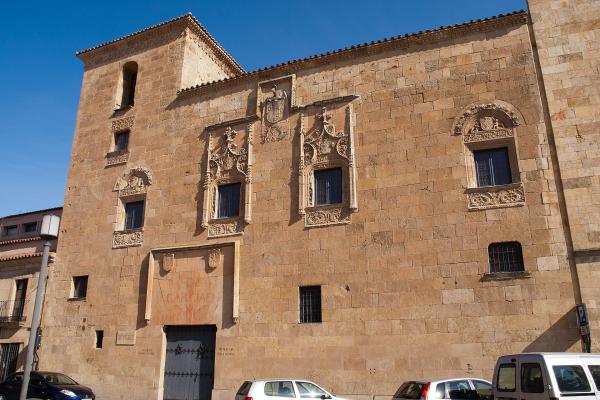
The Museo de Salamanca is the provincial museum of Salamanca, set next to the University of Salamanca in the historic centre, in a mansion that has been adapted to display the history and art of the province. It stands near the famous Patio de Escuelas, the courtyard surrounded by the oldest buildings of the university, and so it fits naturally into the walking route through the old town. The museum offers a quieter, more local counterpart to the great monuments of the city, and it helps put them in context.
The collection is organised in three main sections: archaeology, fine arts and ethnology. The archaeological displays begin with prehistory and move through the Iron Age to the Roman and medieval periods. Salamanca lies on the Vía de la Plata, the Roman road that ran north from Mérida, and the province contains several Roman sites, so finds include pottery, inscriptions, tools and ornaments from many periods. A feature of western Spain is the granite sculptures of animals, known as verracos, made by the pre-Roman Vettones who lived on the plateau, and the museum shows examples of them. These stone bulls and boars, carved with simple strength, are among the most distinctive objects of the region.
The fine arts section includes paintings and sculptures from the Middle Ages to recent times. It is particularly strong in religious art, with carved figures, altarpieces and panels from churches and convents of the province, many of them in the style of the Salamanca school of painting of the late fifteenth century, which was shaped by Flemish influences. The works give an idea of the wealth that the university and the church brought to the city. Later rooms show Baroque and nineteenth-century pieces and the work of local artists.
The ethnology collection presents traditional life in the province: farming tools, textiles, crafts and, above all, costume. The region is the home of the charro, the cattle-herder of the plains, whose embroidered costume and customs became a symbol of Salamanca, and the displays explain the festivals, music and everyday practices of the countryside.
A visit takes about an hour. The museum suits history enthusiasts and families, and it combines easily with the University of Salamanca, the Casa de las Conchas, the two cathedrals and the Puente Romano, all within a short walk. Opening hours follow a seasonal timetable and the museum is usually closed on Mondays, so check before you go.
Categories
More photos coming soon
Nearby Attractions
Other places to visit in Salamanca
Questions people ask
Quick Facts
Best Time to Visit
May through September offers warm, sunny weather ideal for exploring the city.