







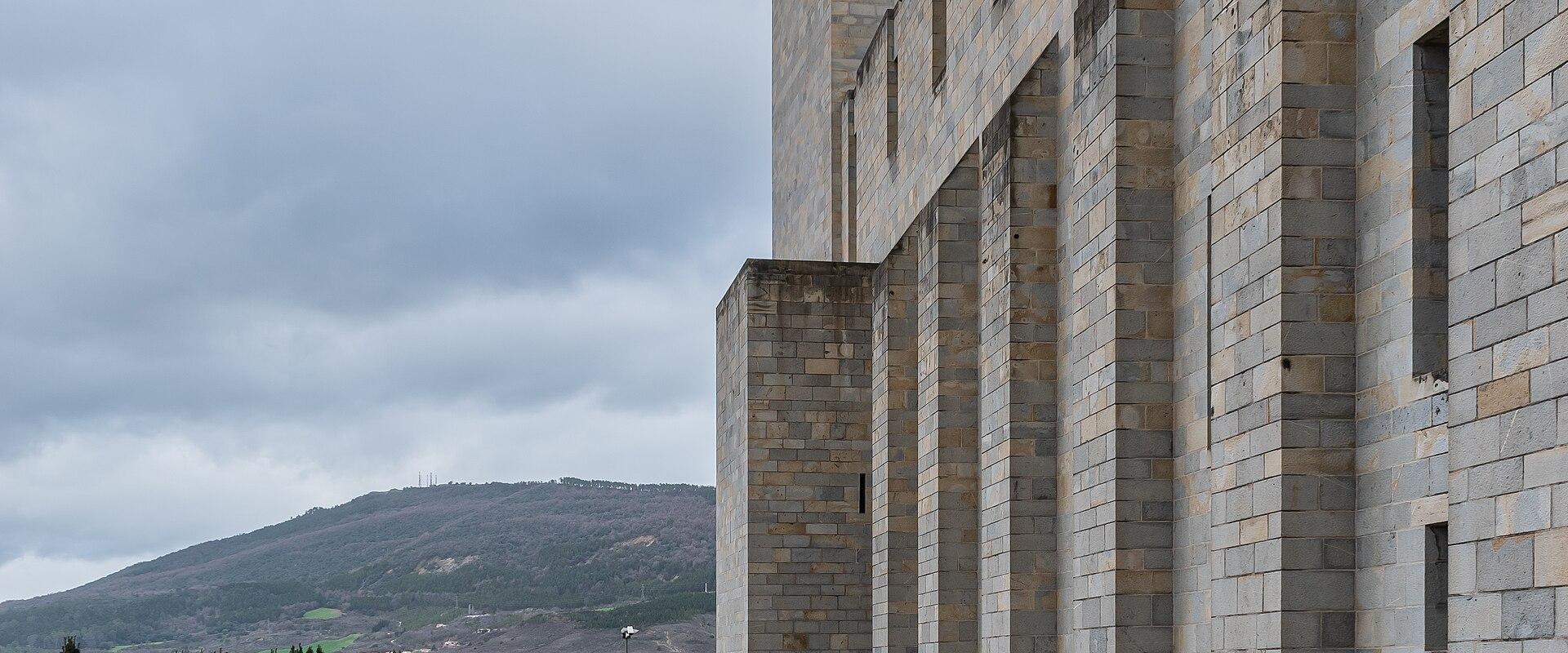
Palacio de los Reyes de Navarra
- Admission
- Contact the attraction to confirm price
- Hours
- Contact the attraction to confirm specific hours
- Where
- Pamplona, Navarre
- Directions
- Directions
The name Palacio de los Reyes de Navarra can refer to two different places, so it helps to separate them. The best-known palace of that name is in Estella, a town on the Camino de Santiago in western Navarre, where a twelfth-century Romanesque building stands as the only surviving example of a Romanesque civil palace in the region. In Pamplona, the capital, the building that carries the weight of government is the Palacio de Navarra, the seat of the regional government. The Pamplona palace is described below, and the Estella one is noted for those who plan to travel.
The kings of Navarre ruled from several places, including Pamplona, Olite and Tudela, and the medieval royal palace of Pamplona, which stood near the cathedral, has vanished. What exists today in the city is the Palacio de Navarra, a large neoclassical building from the middle of the nineteenth century, on the Avenida de Carlos III, one of the main avenues of the new town. It was built as the headquarters of the provincial council, the Diputación Foral, and it continues to serve as the home of the Government of Navarre. Its symmetrical façade, with columns and sculpture, shows the sober monumental taste of the period, and the building is crowned with decorative details. Inside, a grand staircase leads to the Throne Room, the Salón del Trono, where the government holds ceremonies, and which is occasionally opened to visitors.
Because the palace is a working administrative building, most people see it from the outside, from the avenue and the gardens in front, where statues and monuments commemorate figures in the history of the kingdom. The building sits beside the avenue that links the old and new parts of the city, so it is on the way between the Plaza del Castillo, the main square, and the Ciudadela. Guided visits are arranged at certain times, and it is worth asking at the tourist office about them.
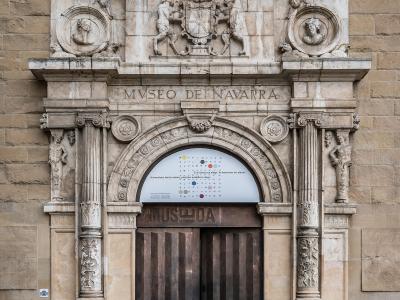
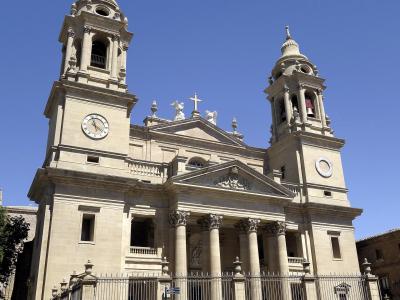
Pamplona's medieval and royal heritage can be seen elsewhere in town. The Cathedral of the Savior and the Holy Spirit, with its cloister, holds the tombs of Charles III the Noble and his wife, Queen Leonor, and the Navarre Museum and the Basílica of Santa María la Real, near the City Walls (La Mura), add context. The Parque de la Taconera, a green space beside the walls, is a pleasant place to walk.
It suits history lovers and those curious about the institutions of Navarre. Combine it with a walk in the old town and along the walls. If you want to see a genuine medieval royal palace, Olite, with its Royal Palace, is within easy reach, and Estella has the Romanesque one.
Categories
More photos coming soon
Hours & Fees
- Open
- Contact the attraction to confirm specific hours
- Admission
- Contact the attraction to confirm price
Hours and prices change, especially out of season. Check with the venue before you go.
Nearby Attractions
Other places to visit in Pamplona
Questions people ask
Quick Facts
Best Time to Visit
May through September offers warm, pleasant weather ideal for exploring the city.