







- Where
- Tenerife, Canary Islands
- Directions
- Directions
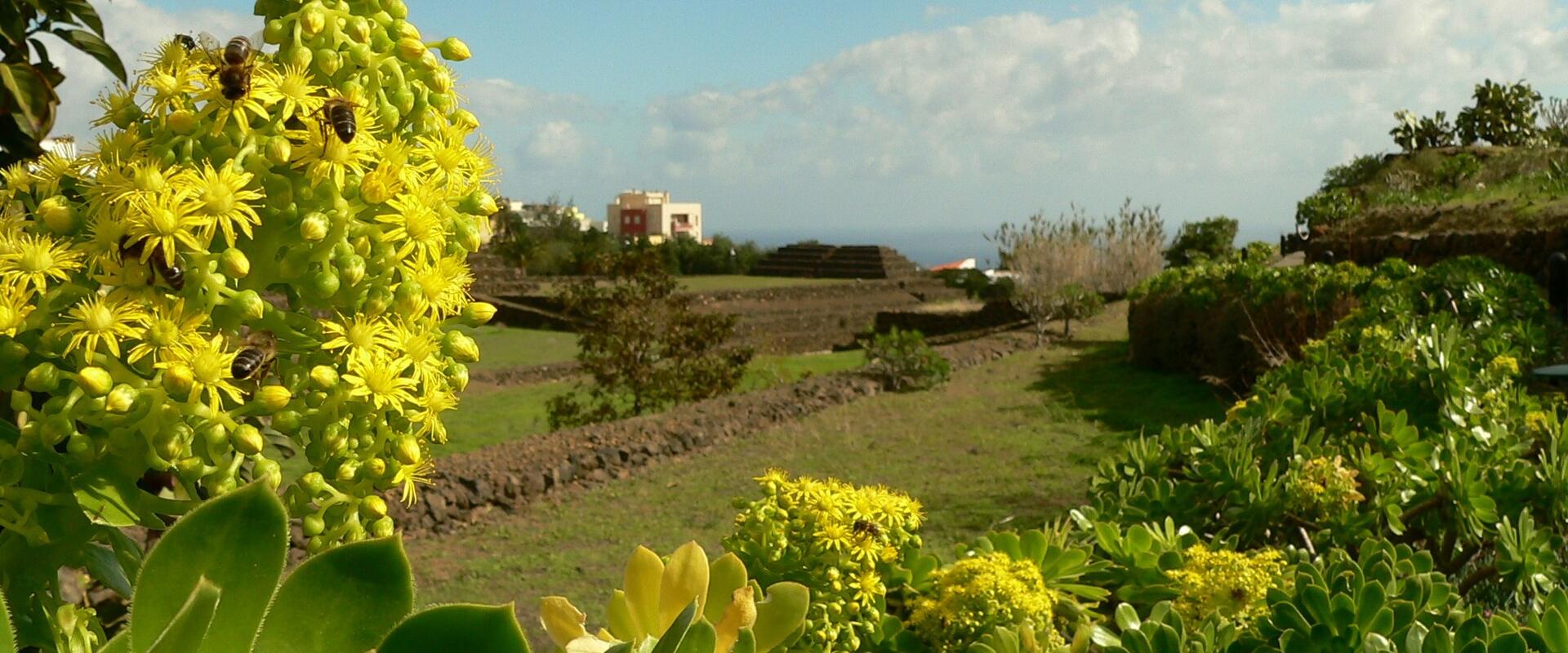
The Pyramids of Güímar are six rectangular step structures of lava stone on the outskirts of the town of Güímar, in the east of Tenerife, and they are the subject of one of the island’s most discussed archaeological questions. The site, officially the Parques Etnicos de Guimar, stands on a terrace of the coastal plain, made of black volcanic rock stacked without mortar into platforms with stairs on one side, and the largest is about twelve metres high. Locally they were known for a long time simply as piles of stones, and the question of who built them, and when, has divided researchers.
Most archaeologists regard them as agricultural terraces or stone heaps created by farmers in the nineteenth century, who cleared the volcanic ground to plant crops and stacked the stones in tidy forms. According to this view, the pyramids are a feature of the rural landscape and a typical example of the way people in the Canary Islands built with the material at hand. In the 1990s, the Norwegian explorer Thor Heyerdahl, famous for the Kon-Tiki expedition across the Pacific, visited the site and proposed a different reading. He suggested that the structures resembled step pyramids found in other parts of the world, such as Mesopotamia, Mexico and Peru, and that they might be evidence of ancient contacts between cultures across the Atlantic. Heyerdahl lived in the area in his last years, and his interest brought the site to public attention.
Supporters of the older origin point to the way the pyramids are oriented, with their stairs facing the setting sun at the summer solstice, which they interpret as evidence of astronomical knowledge. This claim is disputed, and the debate is open, so visitors should treat the explanations as theories rather than established facts. Whichever view is correct, the structures themselves are well preserved, and their precise stonework and regular shapes are impressive against the backdrop of the mountains.
The site was developed as the Ethnographic Park of Güímar, which opened in the 1990s. A network of footpaths leads around the pyramids, with information panels, and a viewing platform gives a good overview. A museum and an auditorium present the history of the site, Heyerdahl’s ideas and his expeditions, and provide a broader look at the cultures of the Canary Islands and the ocean. Botanical gardens fill the grounds, with plants from the Canary Islands and other regions, and some areas show traditional rural life in Tenerife, with reconstructed houses and tools.
The park is reached by car or bus from Santa Cruz de Tenerife, about thirty kilometres away, and the visit takes around two hours. Ticket prices and hours vary, so check the official site. The sun is strong and there is little shade on the terraces, so bring water and a hat. Other sights in the east of the island, such as Las Teresitas Beach, are not far away.
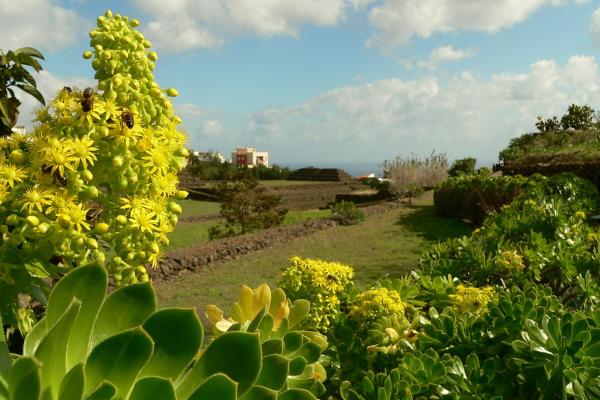
More photos coming soon
Nearby Attractions
Other places to visit in Tenerife
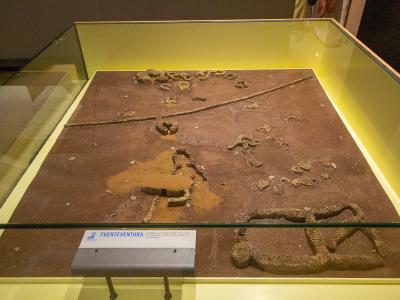
Museo de la Naturaleza y el Hombre
Archaeological Museums · Geological Sites
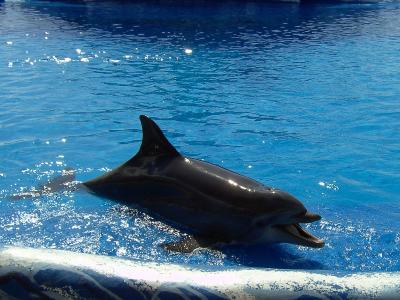
Aqualand Costa Adeje
Water park with dolphin show in Costa Adeje
From €35 Wellness & Leisure
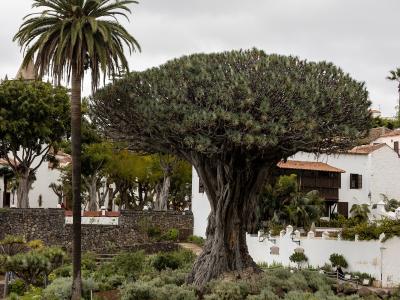
Dragon Tree (Icod De Los Vinos)
Home to the world's oldest dragon tree
Nature & Outdoors · Geological Sites
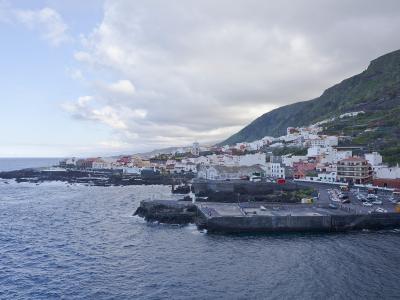
Garachico
18th-century historic town in northern Tenerife
Coastal Views · Geological Sites
Questions people ask
Quick Facts
Best Time to Visit
May through October offers ideal weather with warm temperatures and fewer crowds.