







- Admission
- Tickets are required for galas and competitions
- Where
- Tenerife, Canary Islands
- Directions
- Directions
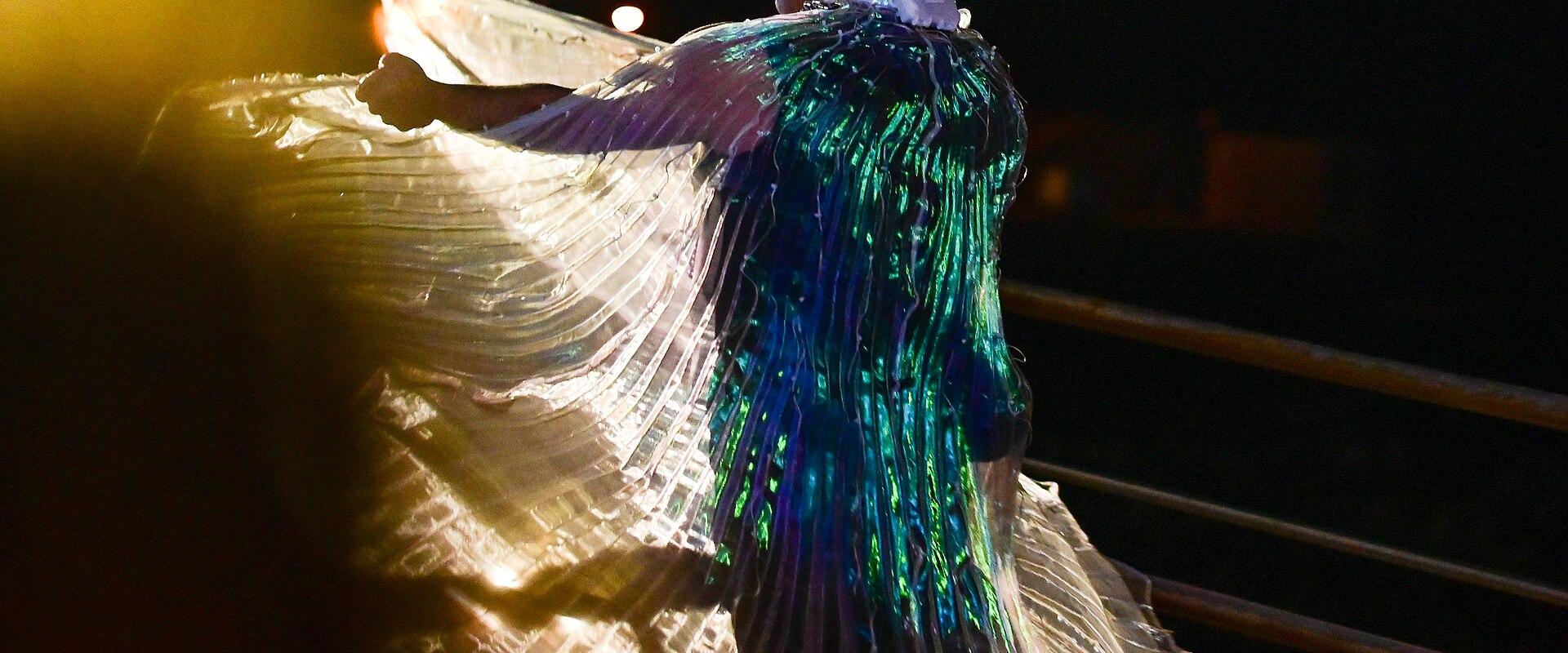
The Carnival of Santa Cruz de Tenerife is the biggest party of the Canary Islands and one of the largest carnivals in the world, often described as second only to Rio de Janeiro in size and fame. It takes place in the capital of the island in February or March, depending on the date of Easter, and it is a spectacle of costume, music and dance that fills the streets for about two weeks, with the climax on the days around Shrove Tuesday. Santa Cruz was a port that for centuries traded with the Americas, and the influence of Caribbean and Latin American rhythms is evident in the music, which is why the carnival has a tropical flavour that sets it apart from mainland Spanish carnivals.
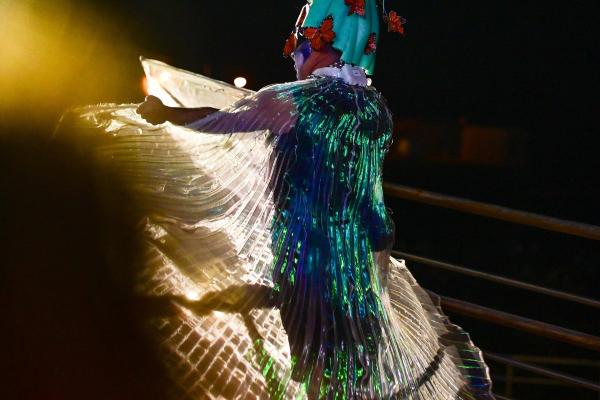
The festival has a series of set pieces. It opens with a big parade, the opening cavalcade, in which floats and groups of costumed participants move through the city, and from then on there are events almost every day. The best-known competition is the election of the Carnival Queen, a gala held in a large auditorium in which candidates appear in fantastic costumes, built on frames that can be several metres high and weigh over a hundred kilos, designed over months by teams of artists and dressmakers. The costumes use feathers, sequins, mirrors and lights, and the show has the character of a theatrical performance, with music and choreography. Other galas choose the queen of the older generation and the children's queen.
Street life is the core of the carnival. On the main day, the Coso parade, thousands of people in costume march along the avenues behind floats and bands, and the city fills with music and dancing, with open-air concerts and dance nights where crowds dance until dawn. Groups called murgas perform satirical songs in chorus, mocking politicians and public life, and others, the comparsas, parade with large orchestras and dance. A custom known as the burial of the sardine, on Ash Wednesday, brings the festival to an end with a mock funeral procession and a laughing farewell, though more parties follow on the weekend after.
Some events are free, such as the street parades and open-air concerts, while others, such as the galas and competitions in indoor venues, require tickets, which sell out quickly, so booking early is wise. Accommodation in the city fills up, so it helps to reserve well in advance. Costumes are part of the experience, and many visitors dress up, with a big variety from simple masks to complex outfits, and the mood is friendly. Crowds are large, so keep an eye on belongings and arrange transport in advance, since streets are closed.
The carnival suits anyone who loves music, dance and festivals, and others may prefer to avoid the crowds. Other attractions on the island, such as Loro Parque, Siam Park, the Palmetum and Mount Teide, are less busy at this time.
Categories
More photos coming soon
Admission Fees
- Admission
- Tickets are required for galas and competitions
Hours and prices change, especially out of season. Check with the venue before you go.
Nearby Attractions
Other places to visit in Tenerife
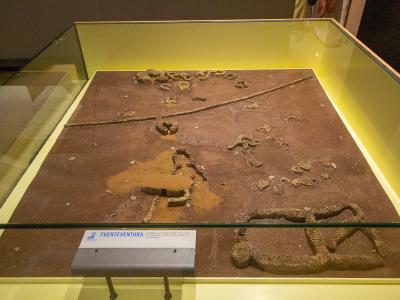
Museo de la Naturaleza y el Hombre
Archaeological Museums · Geological Sites
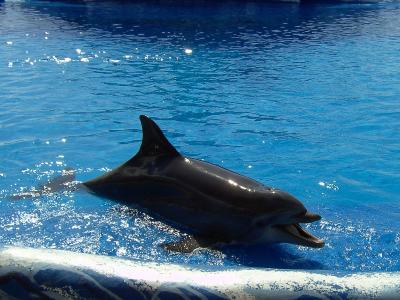
Aqualand Costa Adeje
Water park with dolphin show in Costa Adeje
From €35 Wellness & Leisure
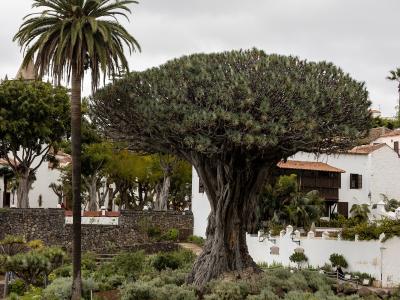
Dragon Tree (Icod De Los Vinos)
Home to the world's oldest dragon tree
Nature & Outdoors · Geological Sites
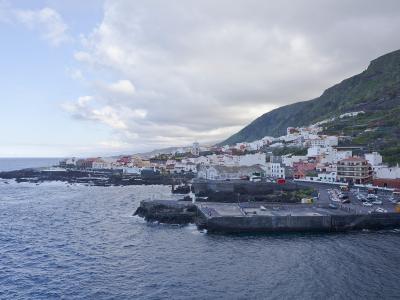
Garachico
18th-century historic town in northern Tenerife
Coastal Views · Geological Sites
Questions people ask
Quick Facts
Tickets are required for galas and competitions
Best Time to Visit
May through October offers ideal weather with warm temperatures and fewer crowds.