

The Pulse of Eixample: Breathing in the Grid
Standing at the intersection of Passeig de Gràcia, the air feels different. It is heavier, charged with an electric tension that exists only in this specific coordinate. Here, the geometric precision of the urban grid, designed by Ildefons Cerdà, does not feel like a rigid blueprint. Instead, it feels like a living, breathing organism.
The atmosphere is thick, saturated with the scent of roasted chestnuts drifting from nearby street vendors, mingling with the faint, sweet dust of the city. The murmur of a thousand conversations hums beneath the open sky, a low-frequency buzz that vibrates in your chest. You are not merely passing through; you are stepping into a design where connection is prioritized over efficiency. This is not a place to rush. It is a space where the human spirit is the primary architect, painted in vibrant, chaotic hues. You are no longer an observer; you are part of the rhythm.
Senses Unleashed: The Market’s Wild Heart
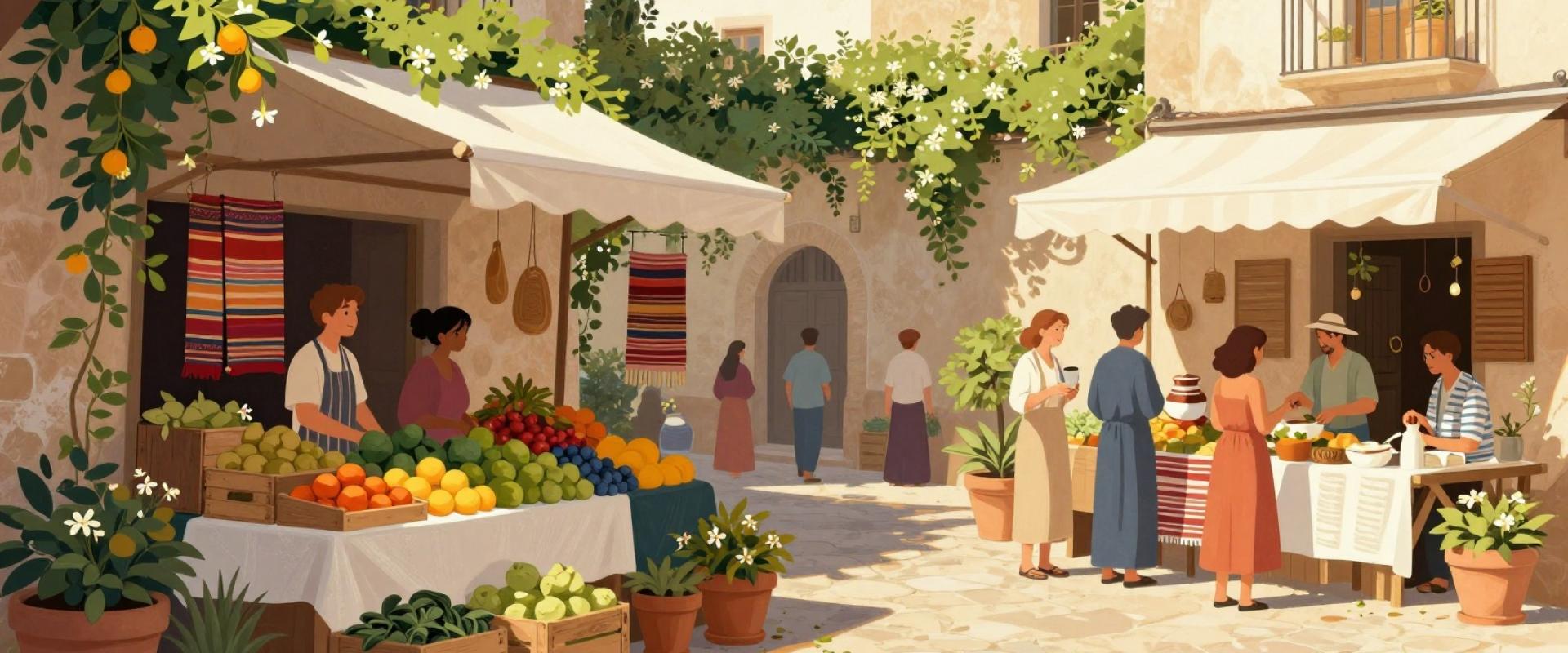
The transition from the wide, sun-drenched avenues to the market stalls is visceral. The air here changes texture, becoming thick and humid, carrying the sharp, earthy scent of ripe produce. It is a sensory overload that demands you pause.
The rigid geometry of the city softens as you enter the vibrant chaos of the local markets. The bright crimson of tomatoes and the deep, glossy purple of eggplants speak a visual language that transcends words. This is not a transaction; it is a ritual. Locals move with a deliberate, unhurried rhythm, negotiating prices in Catalan, their voices weaving through the air like a second language.
Here, the barrier between stranger and friend dissolves. The vibrant colors of the produce invite you to slow down, to truly see the textures of the food and the people. It is a cultural immersion that engages every sense, grounding you in a tradition that has shaped this corner of Barcelona for generations. The energy is electric, yet intimate, creating a bond that is felt rather than spoken.
Shadows and Light: The Art of the Old Quarter
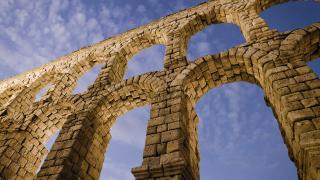
The old quarter is not a sterile museum display. It is a living, breathing entity, woven from centuries of history. Roman roots lie buried beneath medieval stone, which in turn supports the intricate ironwork and warm, terracotta tones of the present day. The architecture here is not just a backdrop; it is a participant in the narrative, a silent witness to the passage of time.
As light filters through the narrow, winding alleys, it illuminates the textures of the past, highlighting the cracks and the smooth stones with equal reverence. The local rhythm is slow, deliberate, and deeply rooted in community. You are not just a tourist passing through; you are a participant in a centuries-old conversation about beauty, history, and existence. The air hums with the quiet strength of a city that has learned to hold its past gently within its modern embrace.
To escape the grid, one must step into Gràcia. The atmosphere shifts dramatically here, shedding the weight of the main thoroughfares for the intimate whisper of a village suspended within the city’s veins. The air is cooler, the pace slower, and the stakes personal.
Here, the social rhythm is defined by conversation rather than speed. Residents gather in small, sun-drenched plazas, sharing stories over carafes of local wine. Their laughter is soft, woven into the fabric of the neighborhood like a gentle breeze. There are no tourist traps here, only the quiet, enduring pulse of community.
The architecture tells a story of its own. Narrow alleyways, lined with iron balconies draped in blooming geraniums, whisper secrets of the past. It is a place to pause, to breathe, and to truly experience the soul of the city. The energy is quiet, yet profound, offering a stark contrast to the bustling streets outside. It is a reminder that the most profound moments are not bought, but experienced, shared, and felt.
Savor the Soul: A Culinary Journey
The day concludes not with a grand finale, but with a gentle, savory embrace. As the sun dips lower, casting long, geometric shadows across the pavement, the air grows heavy with the scent of roasting chestnuts and the briny hint of fresh sea salt. This is the moment when the city’s heartbeat truly quickens, moving from the public square to the intimate table.
Locals gather in quiet corners, savoring each bite of pa amb tomàquet with a quiet, genuine appreciation. The vibrant hues of the market stall’s produce are mirrored in the passion of the meal, a tapestry of flavors that speaks to the soul. It is an immersive experience, blending ancient traditions with a modern, creative spark. This is not just food; it is an expression of culture, history, and community, waiting to be embraced. In these final moments of the day, the boundary between stranger and friend dissolves, leaving only the shared warmth of a meal well shared.