

Whispers from the Parte Vieja
The Atlantic breeze here does not merely blow; it announces itself. It hits the face with a crisp, saline kiss, a immediate reminder that you have crossed into a different sensory world. This is the Basque Country, where the landscape is not just a backdrop but an active participant in the culture. In the narrow, cobblestone veins of the old town, language is not spoken solely in words. It is spoken in bites.
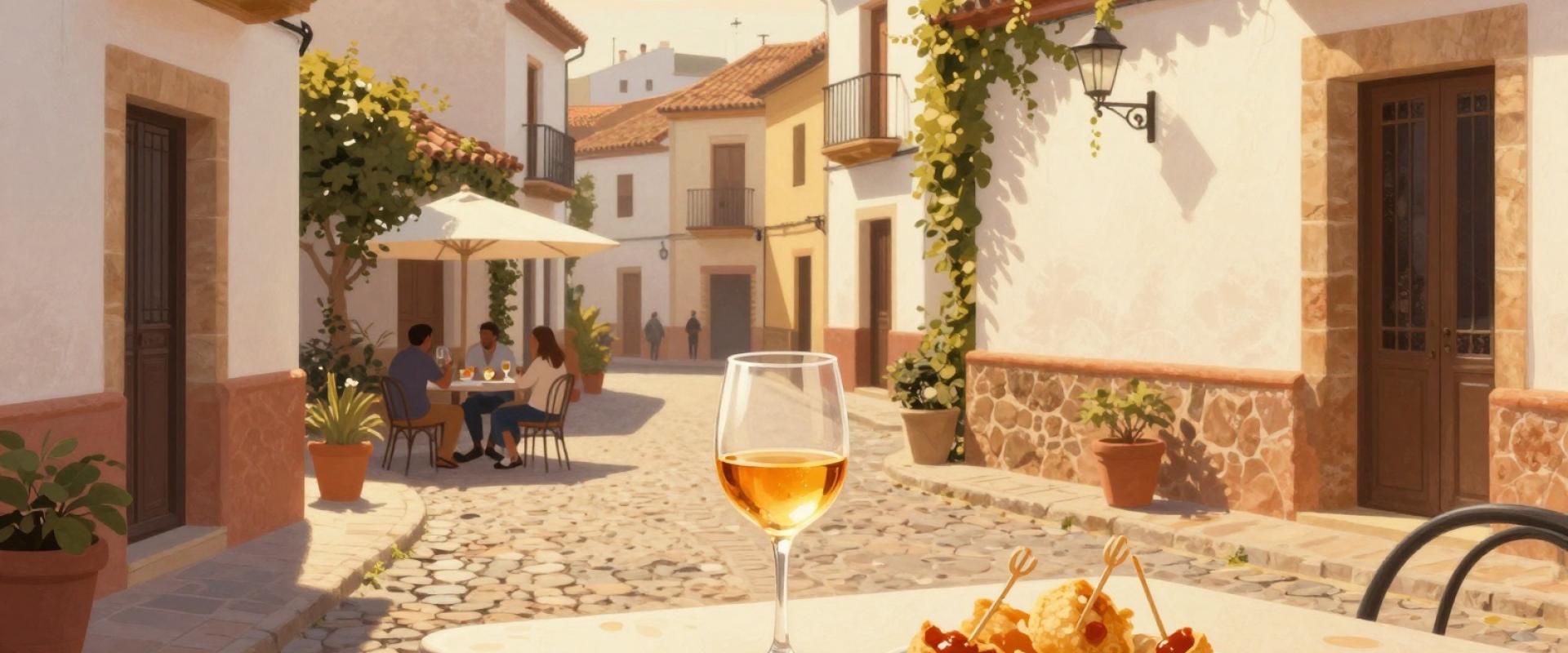
Here, cuisine transcends mere sustenance to become a form of communication. The pintxo, the local cousin to the Spanish tapas, is not simply served; it is displayed as art on marble counters. One does not merely order a pintxos; one selects it. This is a visual and tactile experience. A skewer, or pincho, pierces the bite, transforming the act of dining into a playful, visual hunt.
I have watched locals navigate these crowded bars with the precision of chess masters. They eye the gilda or the pimientos de Padrón with intense, focused care. The variety is staggering, ranging from simple, golden croquetas to complex, innovative creations by chefs who treat their kitchen like a studio. Prices vary, yet the value is universally recognized. We move from bar to bar, a ritual known as pintxo hopping. It is a social dance, a connection with neighbors and friends over small plates. The atmosphere hums with the clatter of glass and the roar of laughter. This guide will help you navigate this landscape without the overwhelm. You will learn where to go, what to order, and how to absorb the alegría of the Basque table. Come, have a drink with me.
The Art of the Bite: Decoding Pintxo Etiquette
Stepping into the narrow, crowded alleys of the Parte Vieja can feel overwhelming at first. But that chaotic energy is exactly where the magic lives. In San Sebastián, the pintxo is not just a snack; it is the cultural heartbeat. However, the etiquette here differs subtly from standard tapas bars elsewhere.
The golden rule is simple: your toothpick is your receipt. Bars charge by the stick, not the plate. You must count the skewers to pay. This system ensures fairness for both the chef and the customer, turning a simple transaction into a mindful act.
Pricing varies by complexity. A simple slice of jamón ibérico might cost around €2 to €3, while elaborate creations featuring seafood or truffle can reach €5 or more. Always check the menu board above the bar. If no price is listed, ask politely before ordering. Hesitation is common for first-timers, but confidence comes with practice.
Take your time. The Basque Country values the experience over speed. Savor the sobremesa, that cherished period after eating where conversation flows freely. Do not rush to the next bar. Stay at one spot if you enjoy the atmosphere. The Romantic Area and Old Town offer distinct vibes. Ondarreta beach is nearby for a walk, but the food scene is the main event.
Innovation meets tradition here. Chefs experiment with textures and flavors while respecting local ingredients. Try a gilda—anchovy, olive, and pepper on a skewer. It is a classic starter. Pair it with a txakoli wine or a cold beer. Listen to the chatter. Observe how locals interact. They are not just eating; they are connecting. This is the true essence of San Sebastián.
Five Bars, Five Stories
The culinary heartbeat of San Sebastián pulses strongest in the Parte Vieja, a vibrant district where ancient stone walls meet the lively streets of Ondarreta and Gros. This is not merely a place to eat; it is an immersion into the soul of Basque culture. Here, the line between tradition and innovation blurs, with pintxos serving as the vibrant pulse of the city’s social rhythm.
Start your journey at Bar Nestor, a no-frills institution that has perfected the simple art of the croqueta for decades. The creamy, golden interior offers a comforting start, proving that elegance often lies in simplicity. From there, guide your steps to Caser Bego for a more refined encounter. Here, the menu shifts daily with the market’s freshest catches, offering a sophisticated elegance that rewards the attentive diner with every bite.
For those seeking a more electric atmosphere, the Calle de la Plata offers a sensory feast. Crowded bars line the street, creating a vibrant, noisy, and joyous backdrop where locals and visitors mingle over txakoli wine. It is a chaotic, beautiful dance of flavors and laughter.
If you prefer a quieter, more intimate setting, Cafe Iruñe provides a warm, welcoming respite. Its traditional style and cozy ambiance make you feel like a local, offering a gentle pause in the day’s exploration. Finally, conclude your tour at La Cuchara de San Telmo, where a modern twist on traditional pintxos challenges the palate. The artistic presentation and bold flavors here showcase the perfect balance of tradition and innovation, leaving you with a lasting impression of the city’s culinary spirit.