
Cresting the Yellow Sea of Gorse
At 2,500 meters, the air doesn’t just get thin; it changes character. It becomes crisp, sharp, and carries the resinous scent of pine needles, a stark contrast to the humid warmth left behind in the valleys below. I stand here, boots planted firmly on the granite, watching the first light of dawn strike the white, jagged peaks of Mulhacén.
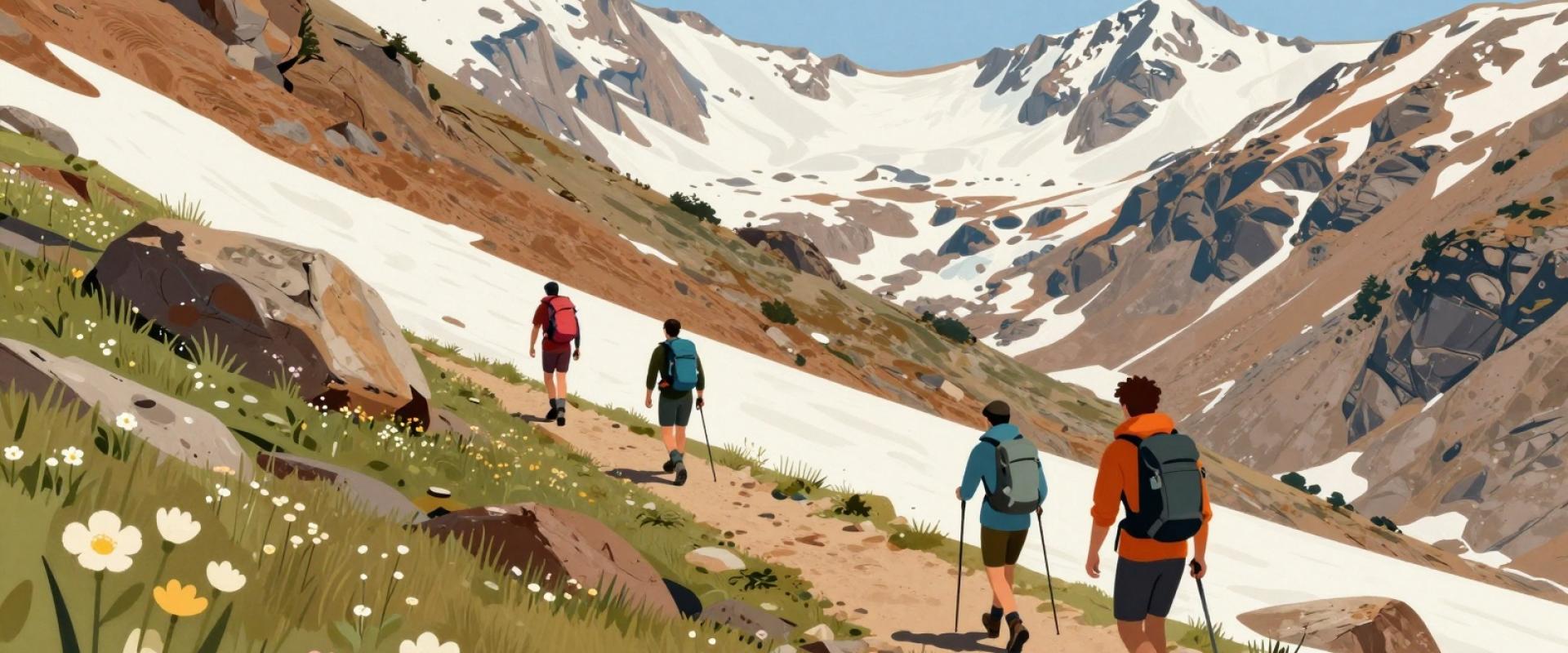
Below, the landscape transforms. The gray, rugged rock gives way to a vibrant, almost aggressive tapestry of green. This is not a gentle ascent; it is a negotiation with the terrain. The air fills with the sweet, heavy perfume of blooming wildflowers, masking the chill that seeps into the thin air. I watch a group of hikers pause, their breath visible in the cold, to snap a photo of a yellow gorse bush glowing in the sun. It is a small, bright anchor in a vast, wild landscape.
The Sierra Nevada is not a theme park. It is a challenge, a reward, and a reminder of nature’s raw power. You do not simply walk through it; you earn your place within it. And despite the steep gradients and the thinning oxygen, the view is always worth the climb.
As you climb, the air grows thinner, turning every breath into a conscious, calculated effort. Spring in the Sierra Nevada does not whisper; it crashes against the landscape with a sudden, violent burst of color. I watch a hiker adjust his pack, the weight of the mountain settling heavily on his shoulders. He looks up, eyes wide, taking in the jagged peaks that pierce the sky. This is not a place for the faint of heart.
The trail winds through ancient pine forests where the air is crisp and cold. The weather here is deceptive, shifting from bright sun to sudden storm in minutes. One moment, the sun beats down, warming the rocky path; the next, a cold wind sweeps through the valley, chilling you to the bone. You need layers. You need gear. The Sierra Nevada does not forgive carelessness.
Yet, when you reach the summit, the view is worth every step. The panorama stretches out, a vast expanse of white and green. It is a moment of pure clarity. The air is thin, but the spirit is high. You stand on the edge, looking out over the Alpujarras. The white town of Pampliega sits below, a tiny speck in the distance. The silence is profound, broken only by the wind.
This is the reward. Not just the view, but the effort. It is in the burn of your legs, the ache in your lungs. It is in the moment you reach the top, breathless and alive. The Spanish mountains do not give up their secrets easily. They demand respect. They demand effort. But when you stand there, at the top, the world opens up. The sky is blue, the air is clear, and the vista is endless. It is a reminder that we are small, but we are part of something greater. The Sierra Nevada is waiting. Are you ready? The answer is always yes.
Gear Up for the Ascent
The Sierra Nevada does not care about your plans. It is cold, thin, and indifferent to your comfort. You stand at the trailhead, the sun warming the stone, while the air bites. This is not a place for casual strolls. The terrain is rugged, rocky, and unforgiving. You need more than just good intentions to conquer these peaks.
Start with your feet.
Invest in sturdy boots. The trail is sharp, the rocks are unyielding, and the ground is unforgiving. Do not skimp on this. Your safety depends on it.
Next, layer up.
The weather here is deceptive. It is warm at 2,000 meters, but the cold is real and sudden. A heavy rain can turn the air icy in minutes. Start with a moisture-wicking base layer. Add a warm fleece or down jacket for the summit. Carry a waterproof shell. The weather changes fast. One moment you are sweating in the sun; the next, you are standing in cold, wet wind. Be ready.
Hydration is critical.
The air is dry. You lose water faster than you think. Carry at least two liters. Add a filter if you plan to refill from streams. The water is clean, but filtering is safer. It is a small step, but it makes a big difference in safety.
Check the forecast.
The weather is unpredictable. A sunny morning can turn into a storm by afternoon. Check the forecast before you leave. Check it again before you start. It is a small habit, but it can save your life. The mountain is beautiful, but it is also dangerous. Respect it. Prepare for it. Then, go.