
History
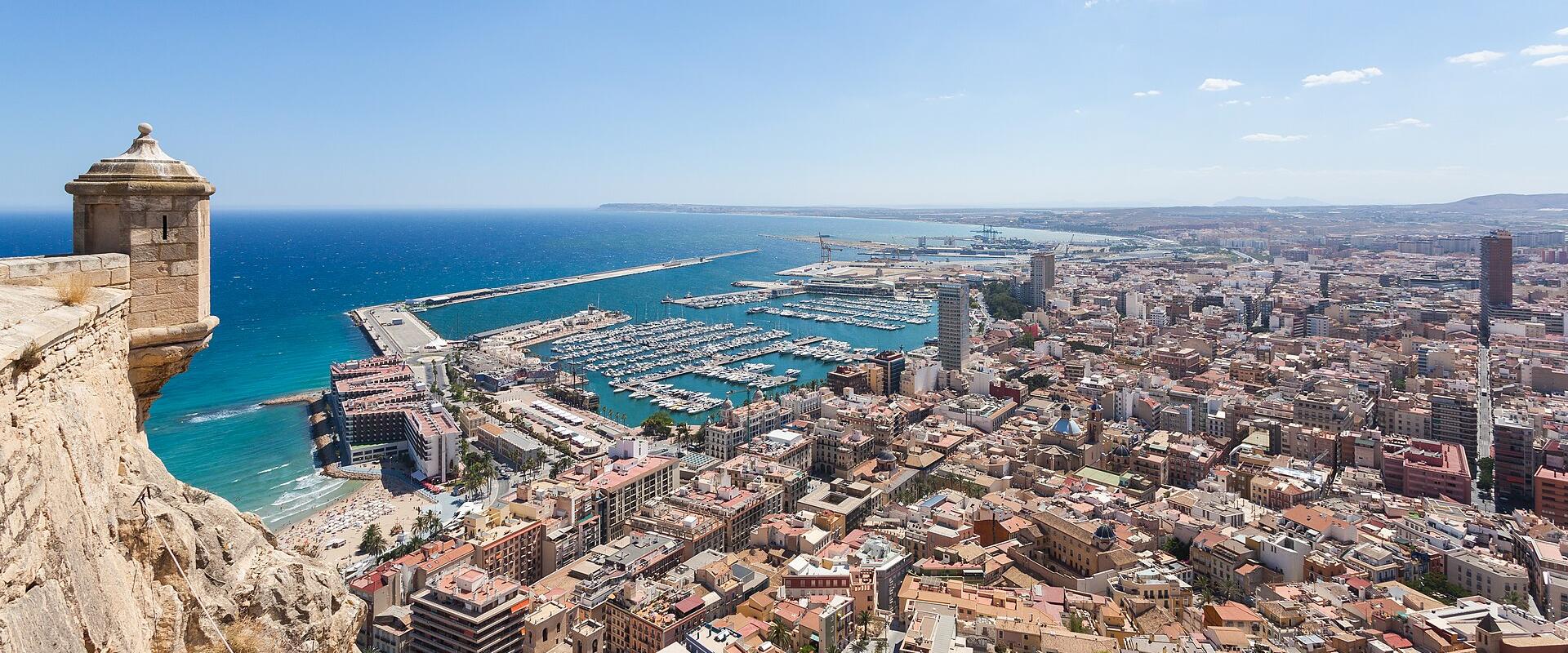
The history of Alicante is a tapestry woven from the threads of various civilizations, each leaving an indelible mark on the city’s identity. The name "Alicante" is derived from the Roman Lucentum, meaning "City of Light," a reference to the bright, sun-drenched landscape that has defined the region for millennia. The city’s strategic location on the Mediterranean coast made it a target for various invaders, including the Phoenicians, Romans, and Moors. The Moorish influence is particularly evident in the architecture, with the Santa Barbara Castle serving as a testament to the Islamic era. The castle, perched atop the Benacantil mountain, offers panoramic views of the city and the sea, serving as a reminder of the region’s complex history. The blend of Roman, Moorish, and Christian influences creates a unique cultural heritage that is visible in the city’s architecture and traditions.
Main Attractions
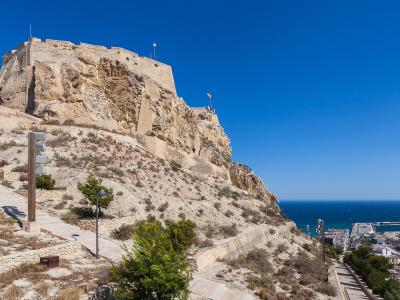
The primary attraction in Alicante is the Santa Barbara Castle, a historic fortress that dominates the skyline. The castle, built on the remains of a Moorish fortress, offers stunning views of the city and the Mediterranean Sea. The climb to the castle is rewarded with panoramic views of the city, the port, and the surrounding mountains. Another key attraction is the Ex-Monastery of St. Nicholas, a beautiful example of Baroque architecture that houses the Museum of Fine Arts. The museum features a collection of religious art, including works by El Greco and Murillo. The historic center, or Barrio de la Santa Cruz, is a charming area with narrow, winding streets, whitewashed houses, and traditional tapas bars. This area offers a glimpse into the traditional side of Alicante, with its cobblestone streets and historic buildings.
Activities
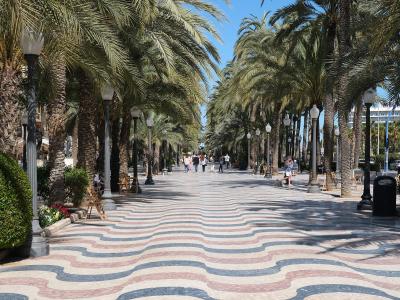
Visitors to Alicante can engage in a variety of activities that highlight the city’s coastal and cultural heritage. The most popular activity is walking along the Explanada de España, a wide, palm-lined promenade that stretches along the beach. The promenade is a popular spot for strolling, jogging, and people-watching. For those interested in water sports, the city offers opportunities for snorkeling, diving, and sailing. The nearby Tabarca Island, accessible by boat, is a protected marine reserve with crystal-clear waters, ideal for snorkeling and swimming. The island also offers a small village with traditional restaurants and a fortress, adding to the appeal of a day trip. Additionally, the city hosts various festivals throughout the year, including the Moros y Cristianos, which celebrates the local patron saint with parades, music, and traditional costumes.
Getting There
Alicante is easily accessible via Alicante-Elche Miguel Hernández Airport (AIC), which is located approximately 9 kilometers from the city center. The airport offers a wide range of domestic and international flights, making it a convenient hub for travelers. Upon arrival, visitors can take a taxi or the Aerobus to reach the city center. The Aerobus is a cost-effective and efficient option, with frequent departures and a short travel time. For those who prefer to drive, the A-7 highway provides easy access to the city from other parts of Spain. Public transportation within the city is also well-developed, with bus routes connecting the main areas. The city center is compact and walkable, making it easy to explore on foot.
Best Time to Visit
The best time to visit Alicante is during the spring (April to June) and autumn (September to October) months. During these periods, the weather is mild and pleasant, with temperatures ranging from 18°C to 25°C, making it ideal for outdoor activities. The summer months, particularly July and August, can be hot and crowded, with high temperatures and large crowds of tourists. While the summer months offer a vibrant atmosphere, the shoulder seasons provide a more comfortable experience with fewer crowds. The winter months are mild, with temperatures rarely dropping below 10°C, making it a suitable time for those who prefer cooler weather. Visiting during the shoulder seasons allows for a more relaxed experience, with lower accommodation prices and fewer crowds.
Best time to visit
May through October offers warm, dry weather ideal for coastal activities.
What to see in Alicante
Our picks first.
Alicante by interest
The same sights, grouped by what you came for.
Did you know?
Checked facts about Alicante, each with its source.
-
Film & TV
The Impossible: Filming in the Aftermath
The 2012 disaster film The Impossible, starring Ewan McGregor and Naomi Watts, was partially filmed in Alicante, utilizing the region's infrastructure to depict the devastation of the 2004 Indian Ocean tsunami.
Source: moviescene.com
Planning a visit to Alicante
Itineraries that include Alicante
Good to know
- Currency
- EUR
- Language
- Spanish