History
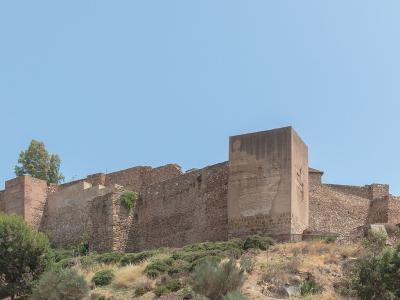
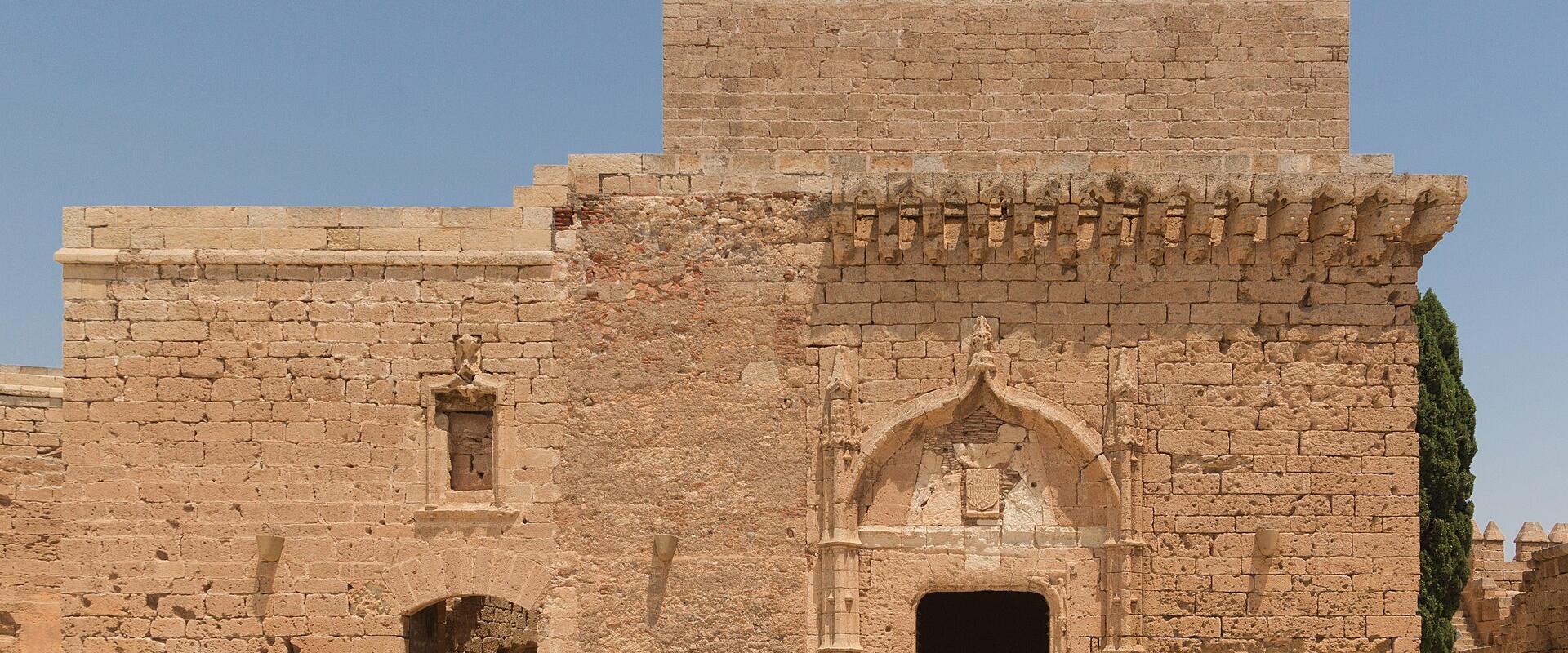
The history of Almería is deeply rooted in its strategic location on the Mediterranean, serving as a crossroads for various civilizations. The city was founded in the tenth century under the caliphate of Córdoba and grew into one of the richest ports of Muslim Spain; its Arabic name, al-Mariyya, is often translated as "the watchtower" or "mirror of the sea". The city’s most significant historical landmark is the Alcazaba, a massive Moorish fortress that dominates the skyline. Begun in the caliphal period and expanded during the Taifa period, it is one of the best-preserved examples of Islamic military architecture in Spain. The fortress’s intricate stonework and strategic position reflect the region’s complex past, where Islamic, Christian, and Jewish influences have intertwined over centuries. The Alcazaba is not just a historical monument but also a record of the cultural synthesis that defines Almería.
Main Attractions
The primary attraction in Almería is the Alcazaba, a fortress that offers panoramic views of the city and the sea. The fortress’s intricate architecture, with its towers and walls, provides a glimpse into the region’s Moorish heritage. Another key site is the Almería Cathedral, a blend of Gothic, Renaissance, and Baroque styles, reflecting the city’s historical evolution. It was built in the sixteenth century with the thick walls and towers of a fortress to protect against raids from the sea. The cathedral’s interior features impressive stained glass and intricate woodwork. Additionally, the city’s historic center, with its narrow streets and traditional architecture, offers a charming atmosphere for exploration. Two further sights show the city’s modern history: the Cable Inglés, a huge iron loading pier built in the early twentieth century to ship iron ore, and the Civil War shelters, a network of tunnels dug beneath the city that can be visited on guided tours.
Activities
Visitors to Almería can engage in a variety of activities, from exploring historical sites to enjoying the natural landscape. The city’s museums, such as the Archaeological Museum, offer insights into the region’s ancient history. For those interested in nature, the nearby Cabo de Gata-Níjar Natural Park offers beautiful coastal landscapes and hiking opportunities. The park’s rugged coastline, with its quiet coves and crystal-clear waters, is ideal for swimming and snorkeling. The region is also known for its unique desert landscape, with the Tabernas Desert, once a backdrop for many western films, offering a unique experience of arid beauty. In the city’s bars, a free tapa comes with each drink, and fresh fish and prawns from the bay are favorites.
Getting There
Almería is accessible via Almería Airport, which offers domestic flights from major Spanish cities such as Madrid, Barcelona, and Valencia. The airport is located approximately 10 kilometers from the city center, with regular bus and taxi services available. For those traveling by car, the A-7 highway provides easy access to Almería from other parts of Spain. Public transportation, including buses and trains, connects Almería to other major cities in Andalusia, making it accessible for day trips or longer stays.
Best Time to Visit
The best time to visit Almería is during the spring (April to June) and autumn (September to October) months, when the weather is mild and pleasant. The summer months can be extremely hot, with temperatures often exceeding 35°C, while the winter months are mild but can be cool in the evenings. Visiting during the shoulder seasons allows for a more comfortable experience, with fewer crowds and lower accommodation prices. The region’s sunny climate ensures that even in the winter, there are many sunny days for outdoor activities.
Best time to visit
May through October offers warm, dry weather ideal for exploring the region.
What to see in Almeria
Our picks first.
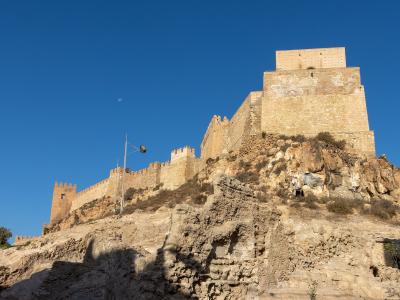
Alcazaba of Almería
10th-century Moorish fortress in Almería
Architectural Heritage · Castles
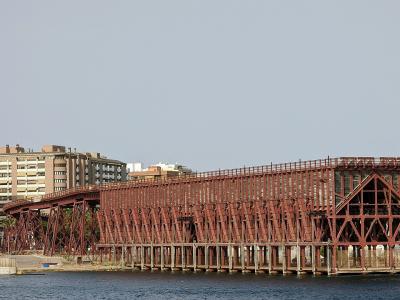
Cable Inglés (English Cable)
1902 iron mineral loading station on the coast
Free Architectural Heritage · Coastal Views
Civil War Shelters of Almería (Refugios de la Guerra Civil)
Underground civil war shelters deep in Almería
Historic Heritage · Museums & Culture
Almeria by interest
The same sights, grouped by what you came for.
Did you know?
Checked facts about Almeria, each with its source.
-
Film & TV
Almería as Hollywood of Spain
The Tabernas Desert in Almería is an iconic filming location, particularly known for old spaghetti westerns, and has also been used for modern productions such as Little Mix's 'Shout out to My Ex' music video. The city is widely referred to as the 'Hollywood of Spain' due to its extensive use in film and television production.
Source: whereistara.com -
Film & TV
Indiana Jones Filming Location
Almería served as a filming location for the 1989 blockbuster 'Indiana Jones and the Last Crusade,' among 72 other productions. Specific scenes from this major franchise were shot in the region, cementing its reputation in the film industry.
Source: thefilmmap.com -
Notable Person
Medieval Scholar Said al-Andalusi
Said al-Andalusi, a prominent mathematician, astronomer, and philosopher, was born in Almería in 1029. He lived during the 11th century and is recognized as a significant historical figure from the city.
Source: en.wikipedia.org
Planning a visit to Almeria
Itineraries that include Almeria
Good to know
- Currency
- EUR
- Language
- Spanish