
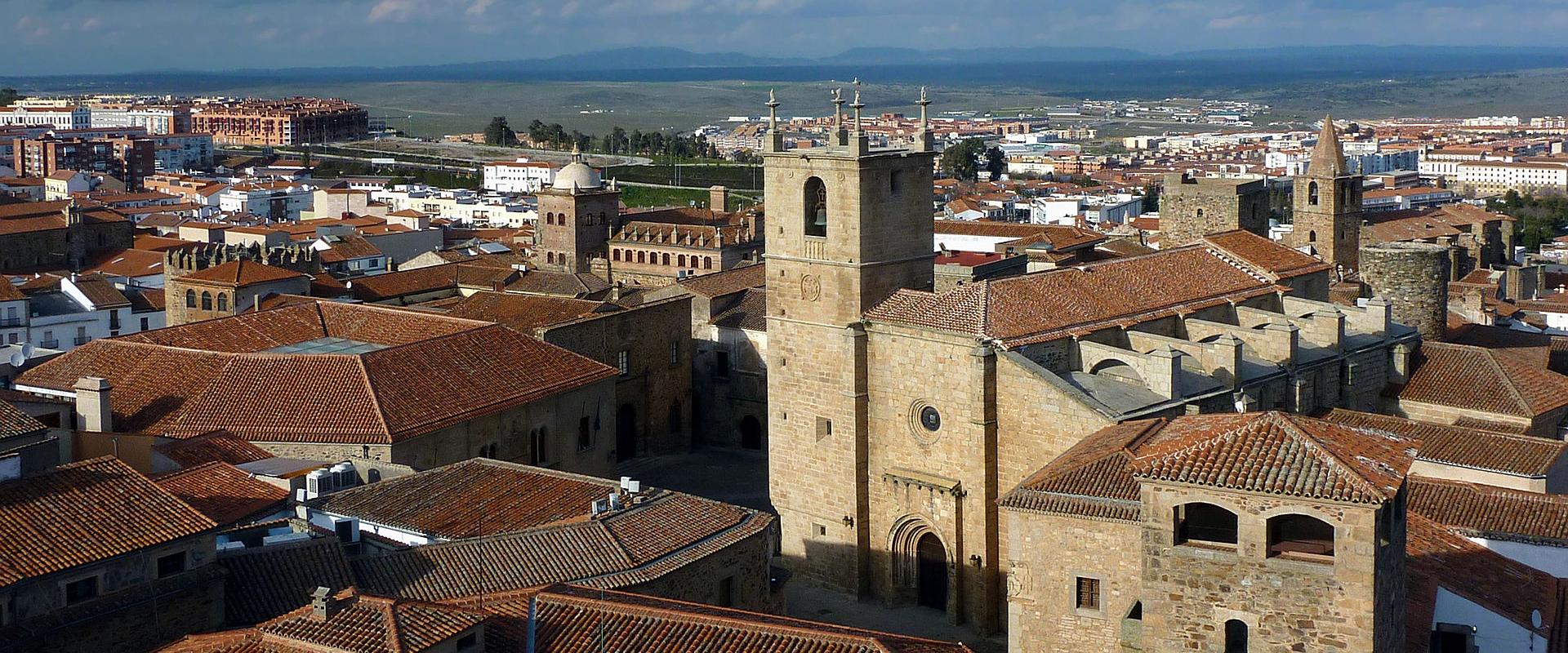
History and Heritage
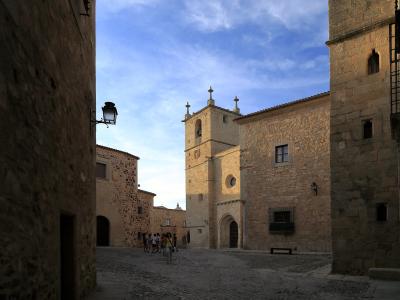
Cáceres is a city where time seems to stand still, offering one of the most authentic medieval experiences in Europe. The historic center, known as the Ciudad Monumental, is a UNESCO World Heritage site that has remained largely unchanged for centuries. Unlike other Spanish cities that have been heavily modernized, Cáceres preserves its medieval integrity, with narrow, winding streets and fortified towers that have stood for over five hundred years. The architecture is a unique blend of Moorish, Gothic, and Renaissance styles, reflecting the region's complex history. The most striking feature is the Alcázar de los Velasco, a 15th-century palace with a Moorish façade that stands as a testament to the region's diverse cultural heritage. This unique blend of Islamic and Christian influences creates a unique atmosphere that is both historic and vibrant.
Main Attractions
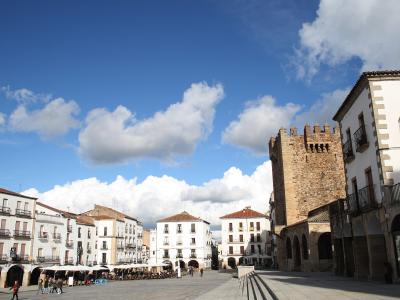
The heart of the experience is the Ciudad Monumental, a compact area where visitors can walk through history. The Alcázar de los Velasco is a must-see, featuring a striking Moorish façade and a courtyard that reflects the region's Moorish heritage. The Plaza de Santa María is another key site, surrounded by historic buildings and offering a glimpse into the city's past. The Plaza de Santa Clara is another notable site, with its beautiful church and surrounding gardens. These sites are not just museums; they are living parts of the city, where the past is integrated into the present. The preservation of these structures ensures that the history of the region is accessible and visible to all visitors.
Activities
Visitors can explore the historic center on foot, taking in the intricate details of the stone facades and the unique architecture. The city is walkable, with most attractions within a short distance of each other. For a more immersive experience, visitors can take a guided tour to learn more about the history and architecture of the city. The local cuisine is also a highlight, with traditional dishes such as cocido (a hearty stew) and migas (a dish made with breadcrumbs and pork) being local specialties. The local wine, produced in the surrounding regions, is also a must-try. The combination of historic architecture, local cuisine, and the warm hospitality of the locals makes for a memorable experience.
Getting There
Cáceres is well-connected by road, with regular bus services from major cities such as Madrid, Badajoz, and Mérida. The bus station is located in the city center, making it easy to access the historic center. For those traveling by car, there are several parking options available, including public parking lots near the historic center. The drive from Madrid takes approximately three hours, while the drive from Badajoz is much shorter, taking only about 45 minutes. The region is also accessible by train, with regular services from Madrid and other major cities. The train station is located near the city center, making it a convenient option for travelers.
Best Time to Visit
The best time to visit Cáceres is during the spring and autumn months, when the weather is mild and pleasant. Spring, from March to May, offers warm temperatures and fewer crowds, making it an ideal time to explore the historic center. Autumn, from September to October, also provides comfortable weather, with warm days and cooler evenings. Summer can be hot, with temperatures often exceeding 30°C, while winter can be cold, with occasional frost. However, the mild climate of the region means that even in winter, the weather is often mild enough for outdoor activities. Regardless of the season, the historic center of Cáceres offers a unique and memorable experience for all visitors.
Best time to visit
May through September offers warm, dry weather ideal for exploring the historic city.
What to see in Caceres
Our picks first.
Caceres by interest
The same sights, grouped by what you came for.
Did you know?
Checked facts about Caceres, each with its source.
-
Notable Person
Birthplace of Conquistador Francisco Pizarro
The nearby town of Trujillo, located in the province of Cáceres, is the birthplace of Francisco Pizarro, the Spanish conquistador who led the expedition that resulted in the Spanish conquest of the Inca Empire.
Source: pantheon.world
Planning a visit to Caceres
Itineraries that include Caceres
Good to know
- Currency
- EUR
- Language
- Spanish