


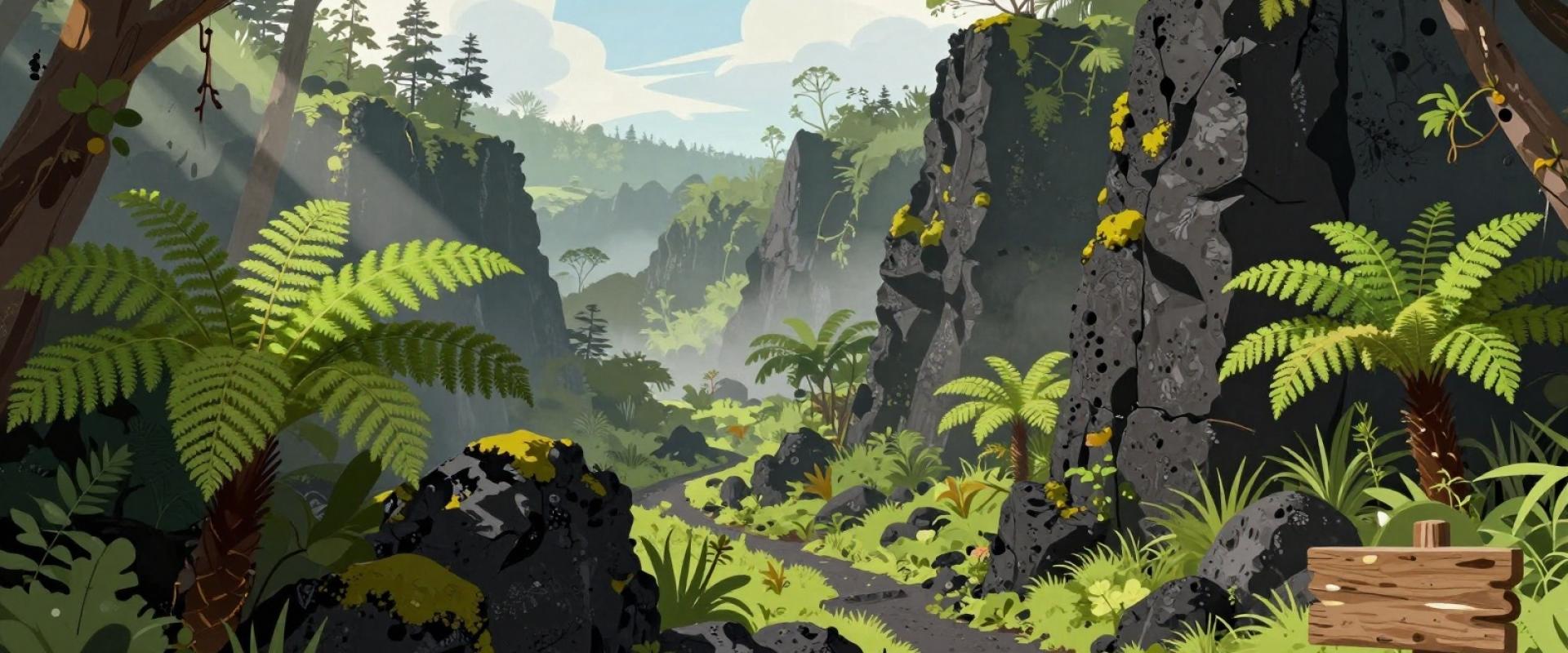
AI-generated illustration
1-day itinerary
Discovering La Palma
One-day tour of La Palma's volcanic peaks and forests
- Length
- 1 day
- Pace
- Easy
- Estimated cost
- €60 per person
- Based in
- La Palma
Practical information
La Palma, often called the "Island of Peace," is geographically distinct as the northwesternmost island in the Canary archipelago. The most practical time to visit is during the spring or autumn months. While the island enjoys a mild climate year-round, it is notably the rainiest and windiest in the Canary Islands. The weather can change rapidly, so checking local forecasts is essential, especially if you plan to hike in the highlands where conditions can shift quickly.
Transportation is best handled by renting a car. While the island is accessible via direct flights to La Palma Airport or ferries from Tenerife, public transportation is limited and not ideal for exploring the island’s diverse landscapes. A four-wheel-drive vehicle is highly recommended, particularly for navigating the steep, winding roads that connect the coastal valleys to the volcanic crater areas in the north and south. This flexibility allows you to access remote hiking trails and viewpoints efficiently.
For accommodation, staying in the lower coastal valleys is the most practical choice, as this is where most residents and services are located. These areas provide easy access to amenities, restaurants, and the main transportation hubs. Staying here also minimizes the time spent driving on steep, narrow mountain roads, allowing more time for exploration.
When budgeting, consider that while basic needs are affordable, specialized tours or high-end accommodations can be costly. It is advisable to book accommodation in advance, especially during peak seasons, to secure better rates.
Pack layers, as temperatures can vary significantly between the coast and the higher elevations. Essential items include sturdy hiking boots for trekking in areas like the Cubo de la Galga or around the Ro de los Muchachos, sun protection due to strong UV exposure, and wind-resistant clothing. Be prepared for potential disruptions such as Saharan dust haze (calima), which can affect visibility and air quality, particularly for stargazing activities. Finally, carry cash as some remote locations may not accept credit cards.