

History
The history of La Palma is deeply intertwined with its volcanic origins and the resilience of its early inhabitants. The island was first settled by the Guanches, the indigenous people of the Canary Islands, who lived in harmony with the rugged landscape. Following the Spanish conquest in the 15th century, the island became a key part of the Spanish Crown’s territories in the Atlantic. The island’s economy has historically relied on agriculture, particularly the cultivation of bananas, which remain a staple of the local economy. The volcanic nature of the island has also shaped its history, with several significant eruptions, including the 1949 eruption of the Cumbre Vieja, which reshaped the landscape and the lives of the local population. Today, the island’s history is preserved in its museums and traditional festivals, which celebrate its unique cultural heritage.
Main Attractions
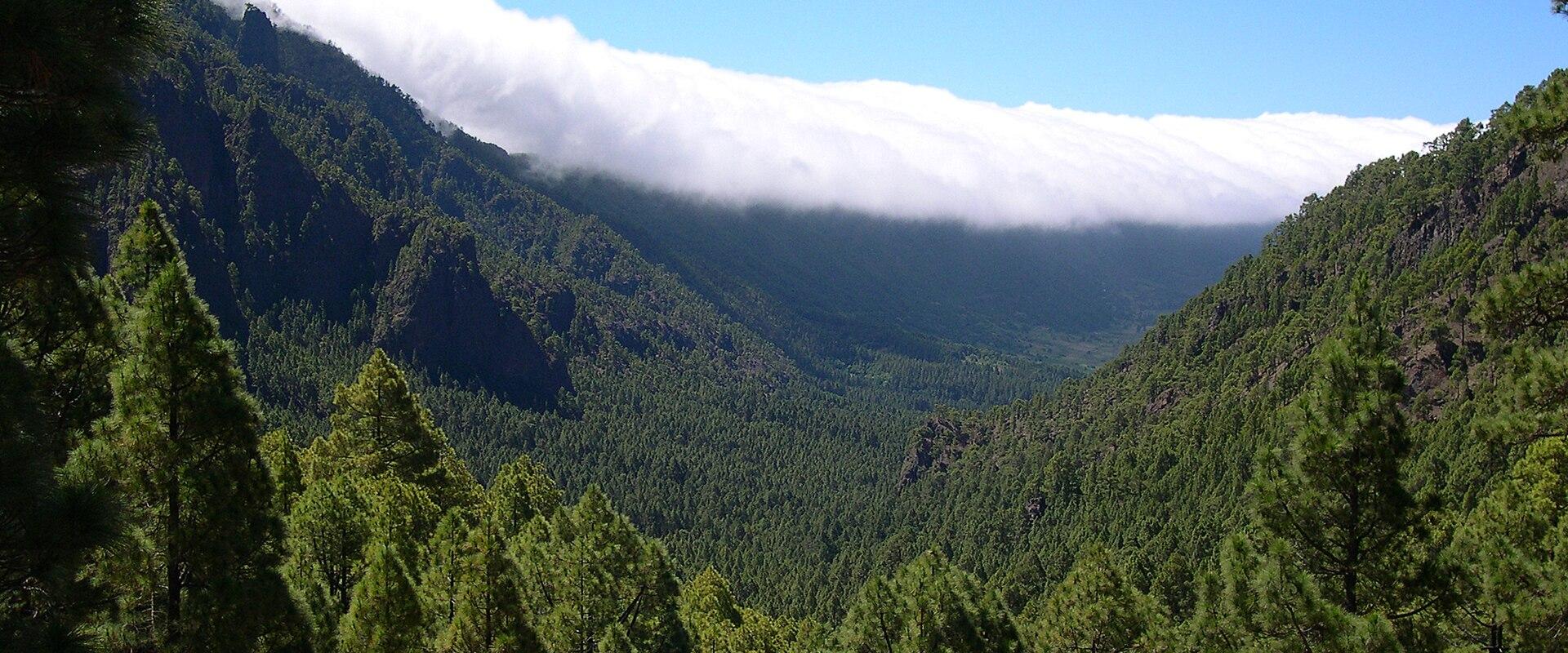
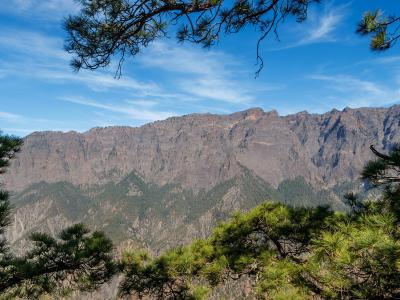
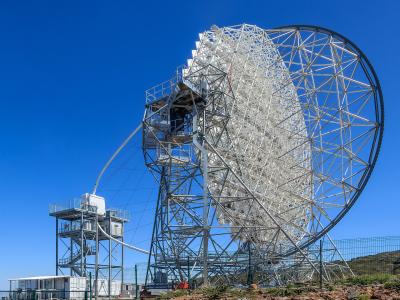
The primary attraction of La Palma is its dramatic natural landscape, centered around the Caldera de Taburiente. This vast crater, formed by a prehistoric landslide, is a protected natural park that offers stunning views and a unique ecosystem. The park is home to diverse flora and fauna, including the iconic Canary Island pine. Another key attraction is the Cumbre Vieja, a volcanic ridge that offers spectacular hiking opportunities. The island’s black sand beaches, such as Playa de El Calvario, provide a striking contrast to the lush greenery. Additionally, the island’s clear skies make it an ideal destination stargazing, with several observatories offering guided tours.
Activities
Visitors to La Palma can engage in a variety of activities, with hiking being the most popular. The island offers numerous trails, ranging from easy walks to challenging hikes, such as the route to the top of the Caldera de Taburiente. The Ruta de los Volcanes, a trail that connects several volcanic peaks, is a popular choice for experienced hikers. For those interested in stargazing, the Roque de los Muchachos Observatory offers guided tours and stargazing sessions. The island also offers opportunities for cycling, with several cycling routes that take advantage of the varied terrain. Additionally, visitors can explore the local culture by visiting traditional markets and tasting local cuisine, including the island’s famous bananas and palm wine.
Getting There
La Palma is accessible via La Palma Airport (SPC), on the east coast a few kilometres south of the capital, Santa Cruz de La Palma. The airport offers regular flights from Madrid, Tenerife, and other major Spanish cities. For those arriving by sea, there are ferry services from other islands in the Canary archipelago, such as Tenerife and La Gomera. Once on the island, public transportation is limited, so renting a car is highly recommended for exploring the island’s diverse landscapes. The island is small, with a maximum distance of about 30 kilometers, making it manageable to explore by car or bicycle.
Best Time to Visit
The best time to visit La Palma is during the spring (April to June) and autumn (September to October) months. During these periods, the weather is mild and pleasant, with temperatures ranging from 18°C to 25°C. The summer months can be hot, with temperatures often exceeding 30°C, while the winter months are cooler but still mild. Visiting during the shoulder seasons allows for a more comfortable experience, with fewer crowds and lower accommodation prices. It is advisable to check the weather forecast before traveling, as the island’s microclimate can vary, with some areas receiving more rain than others.
Best time to visit
June through September offers warm, dry weather ideal for hiking and stargazing.
What to see in La Palma
Our picks first.
La Palma by interest
The same sights, grouped by what you came for.
Did you know?
Checked facts about La Palma, each with its source.
-
History
First Democratic Elections in Spain
On January 2, 1773, the city of Santa Cruz de La Palma held the first popular elections in Spain, conducted by census suffrage. This event is considered a significant precursor to the Constitution of 1812, occurring 16 years prior to its adoption.
Source: english.lapalmaesturismo.com
Planning a visit to La Palma
Itineraries that include La Palma
Good to know
- Currency
- EUR
- Language
- Spanish
Quick Facts
Book your stay
Questions people ask
More places in Canary Islands
Canary Islands
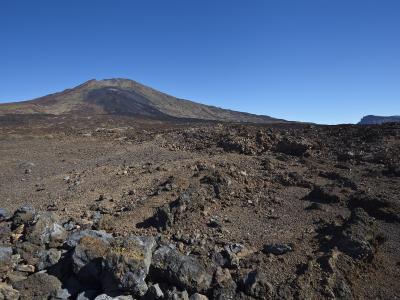
Tenerife
Volcanic island with Spain's highest peak
Canary Islands
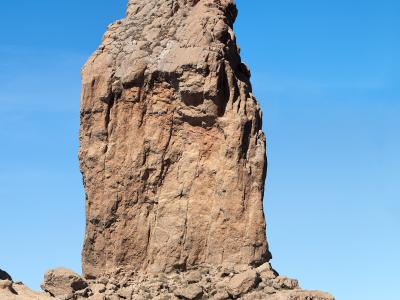
Gran Canaria
Volcanic island with diverse landscapes and iconic rock formations
Canary Islands
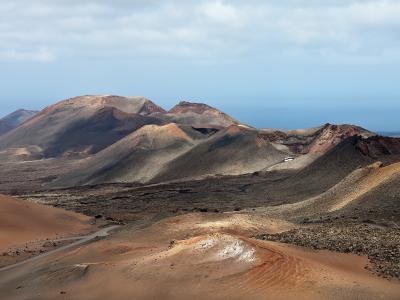
Lanzarote
Volcanic island with unique landscapes and protected natural parks
Canary Islands
Fuerteventura
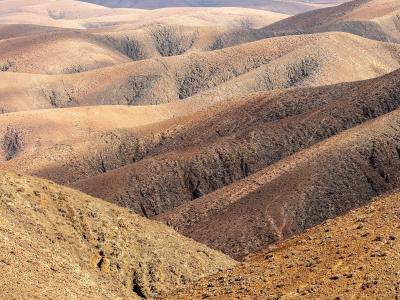
Canary Island with vast sand dunes and surfing