






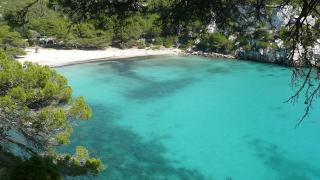

3-day itinerary
Extended Formentera Experience
3-day exploration of Formentera's beaches and culture
- Length
- 3 days
- Pace
- Moderate
- Estimated cost
- €180 per person
- Based in
- Formentera
Practical information
Formentera is best visited between May and October, with June, September, and early October offering the optimal balance of warm, sunny weather and manageable crowd levels. July and August are peak season, resulting in higher prices, limited availability, and significantly larger crowds. While the island is accessible year-round, winter months can be cool and windy, with many tourist-oriented businesses closing for the season.
Access to the island is primarily via ferry from the port of Ibiza Town, a 30-45 minute boat ride, or by taking a direct flight from major European hubs to Ibiza Airport, followed by a short 15-minute ferry transfer. For island exploration, renting a scooter or bicycle is the most practical and popular option, as it allows for flexible access to the island’s four main beaches. Buses are available but infrequent, and taxis are limited and expensive. Private cars are also an option, though parking can be challenging in high season.
Accommodation is concentrated in the north, particularly around the port of La Savina, which offers the most convenience for ferry arrivals, and the village of Sant Francesc, known for its vibrant nightlife and dining scene. For a quieter experience, consider staying in the southern areas near Es Pujols or the northern coast near El Arenal. Booking well in advance is essential, especially for the peak summer months, as boutique hotels and boutique apartments fill up quickly.
Budget considerations should account for the island’s premium pricing, which is higher than mainland Spain. Costs for accommodation, dining, and vehicle rentals are at their peak during July and August. To manage costs, consider staying in budget-friendly guesthouses, eating at local tapas bars rather than high-end restaurants, and booking ferries in advance to secure better rates.
When packing, prioritize lightweight, breathable clothing suitable for hot, sunny weather, along with sturdy sandals or walking shoes for exploring the rugged terrain. Sun protection is essential, including high-SPF sunscreen, a hat, and sunglasses. Additionally, bring a reusable water bottle, as tap water is not potable, and a light jacket for cooler evenings, especially if you are sensitive to wind.


