History and Cultural Heritage
For centuries, Formentera has been a sanctuary of tranquility, distinct from the more frenetic energy of its neighbor, Ibiza. The island’s name is derived from the Latin frumentarium, meaning "granary," a nod to its historical role in the region’s agricultural economy. For generations, the local population has lived in harmony with the rugged, flat landscape, relying on traditional agriculture and fishing. This deep connection to the land is evident in the traditional architecture and the slow, deliberate pace of life that still characterizes many of the island’s villages. Unlike the tourist-heavy hubs of the Balearics, Formentera has preserved a sense of timelessness, where the rhythms of nature dictate the flow of daily life. The island’s history is one of resilience and simplicity, with communities adapting to the harsh Mediterranean climate while maintaining a strong sense of community and tradition.
Main Attractions
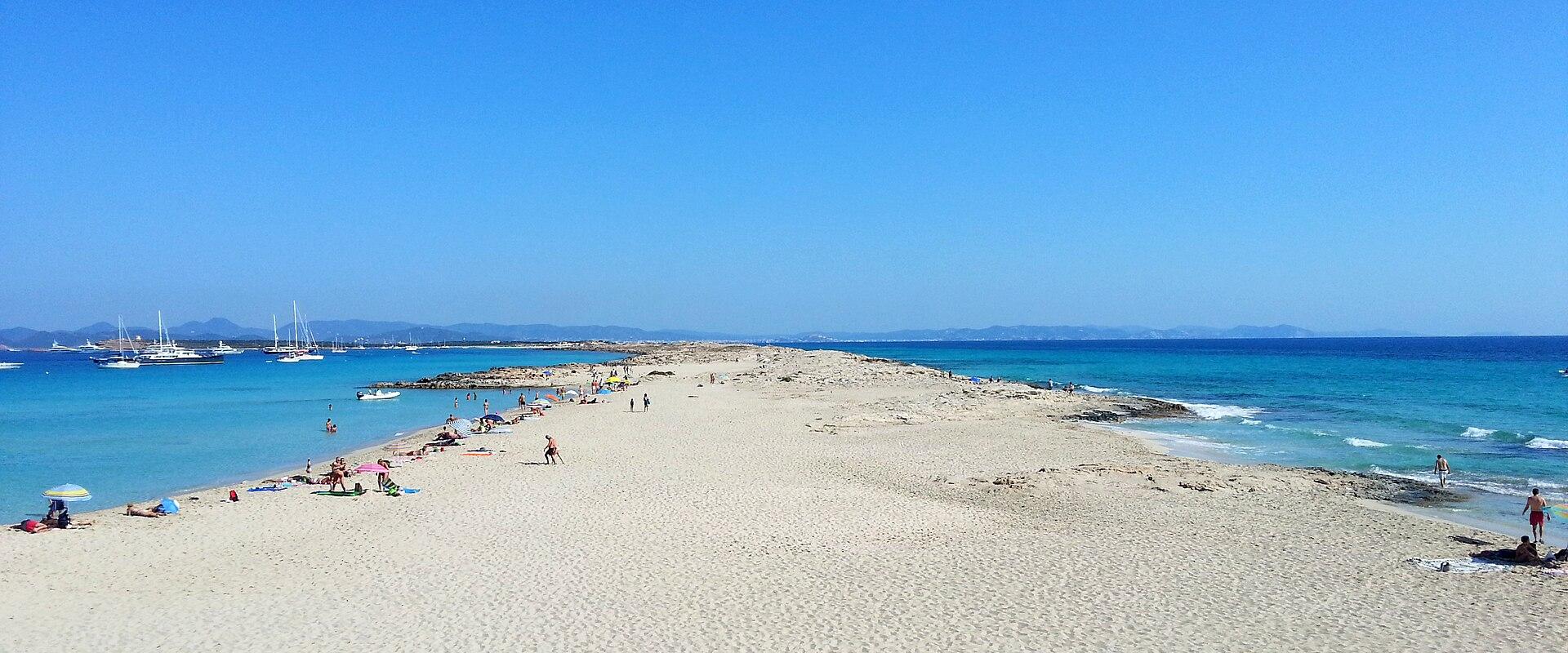
The primary allure of Formentera is its stunning natural beauty, centered around its pristine beaches. The island is renowned for its crystal-clear turquoise waters and white sandy shores, with Ses Illetes often cited as one of the most beautiful beaches in the Mediterranean. This iconic stretch of sand, with its shallow, warm waters, is a magnet for visitors seeking relaxation and natural beauty. Beyond the beach, the island’s landscape is defined by its flat terrain and rugged coastal cliffs, offering a stark yet beautiful contrast to the blue sea. The natural environment is the main attraction, with visitors drawn to the unspoiled nature and the serene atmosphere that permeates the island. The interplay between the land and the sea creates a unique landscape that is both inviting and awe-inspiring.
Activities
For those seeking active pursuits, Formentera offers a variety of options that complement its natural beauty. Cycling is a popular way to explore the island, with flat, well-maintained paths winding through the countryside and along the coast. Visitors can rent bicycles to explore the island’s hidden coves, pine forests, and traditional villages at their own pace. Water sports are also a significant part of the experience, with opportunities for swimming, snorkeling, and kayaking in the clear, calm waters. The island’s gentle climate and calm seas make it an ideal destination for these activities, allowing visitors to fully immerse themselves in the natural environment. Whether exploring the local flora and fauna or simply enjoying the sun, the island offers a range of activities that cater to different interests.
Getting There
Access to Formentera is primarily via ferry, as there are no airports on the island. The most common route is from the port of Ibiza Town, with frequent ferries operating throughout the year, though services are most frequent during the peak season from May to October. The journey is short, typically taking around 30 to 45 minutes, providing a scenic introduction to the island. Alternatively, visitors can take a ferry from the mainland, such as from Dénia or Valencia, though this involves a longer journey and often requires a transfer in Ibiza. It is essential to book ferry tickets in advance, especially during the high season, to secure a spot. The ferry experience itself is part of the journey, offering stunning views of the Mediterranean as you approach the island.
Best Time to Visit
The best time to visit Formentera is during the spring and autumn months, when the weather is mild and the crowds are thinner. The summer months, particularly July and August, are peak season, with hot weather and larger crowds, but also the most vibrant atmosphere. For those who prefer a quieter experience, the shoulder seasons of spring and autumn offer ideal conditions, with pleasant temperatures and fewer tourists. The island’s climate is generally mild, with warm summers and mild winters, making it a year-round destination, though the best time for beach activities is during the warmer months.
Best time to visit
May through September offers warm, sunny weather ideal for beach activities.
What to see in Formentera
Our picks first.
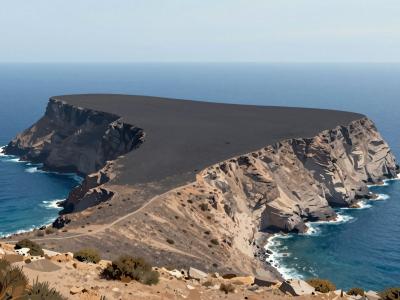
La Mola
From €2.50 Coastal Views · Hiking Trails
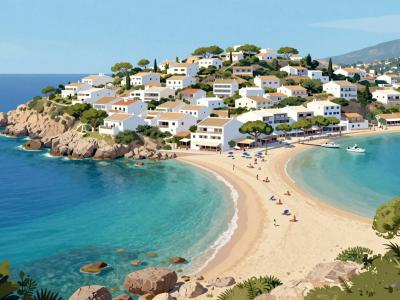
Es Pujols
Coastal & Beaches · Urban Exploration
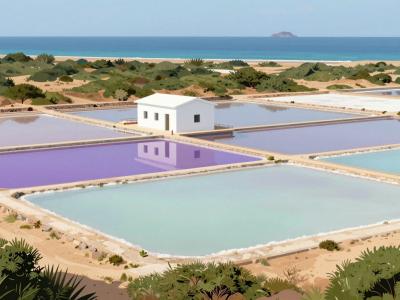
Formentera Salt Flats (Salinas)
Coastal Views · Natural Parks
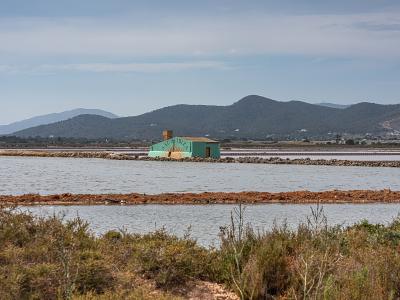
Ses Salines Natural Park
Islands · Lagoons
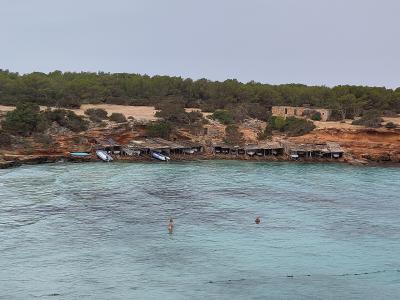
Cala Saona
Coastal & Beaches · Nature & Outdoors
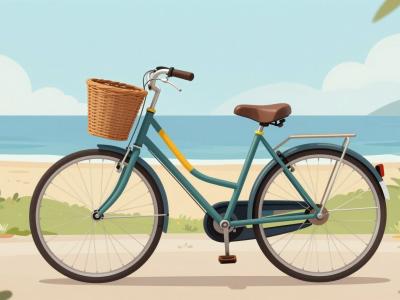
Bicycle Rentals and Coastal Paths
Coastal & Beaches · Nature & Outdoors
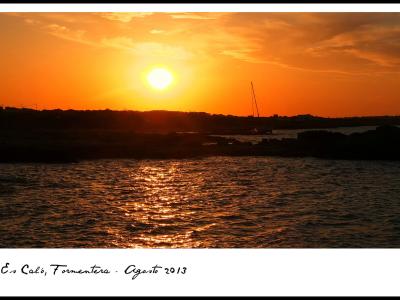
La Savina Village
Free Coastal & Beaches · Urban Exploration
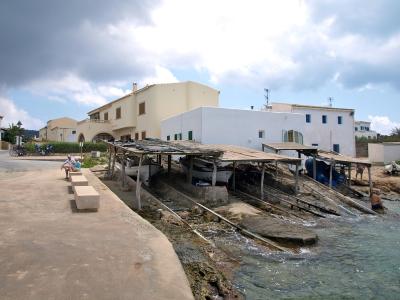
Es Caló des Puig
Coastal & Beaches · Historic Heritage
Formentera by interest
The same sights, grouped by what you came for.
Did you know?
Checked facts about Formentera, each with its source.
-
Film & TV
The Film That Defined the Island
The 2001 Spanish film 'Sex and Lucia' (Lucía y el sexo), directed by Julio Medem, featured a pivotal sequence filmed on the island, cementing its image in international cinema.
Source: en.wikipedia.org
Planning a visit to Formentera
Itineraries that include Formentera
Good to know
- Currency
- EUR
- Language
- Spanish