




AI-generated illustration
14-day itinerary
Grand Tour of Spain
14-day tour of Madrid, Seville, and Granada
- Length
- 14 days
- Pace
- Challenging
- Estimated cost
- €840 per person
- Based in
- Spain
Practical information
The optimal time to visit Spain for a two-week tour is during the shoulder seasons of spring (April to June) or autumn (September to October). These periods offer mild, pleasant weather ideal for sightseeing, avoiding the extreme heat of Andalusia in summer and the colder, wetter conditions of winter. While summer is viable, it requires planning outdoor activities for early mornings or late evenings to avoid peak heat, particularly in southern regions.
For transportation, high-speed AVE trains are the most efficient way to connect major hubs like Madrid, Seville, and Granada, offering a comfortable and time-efficient alternative to driving. For shorter hops or more flexible routing, regional trains and intercity buses are viable options. However, traveling between the southern coast and northern regions, such as the Basque Country, is best achieved via short-haul flights to avoid excessive travel time. When navigating cities, prioritize walking in historic centers, as many attractions are compact, but be prepared for significant walking distances.
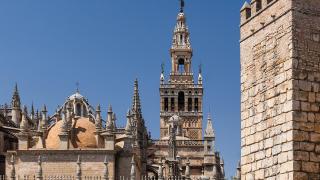
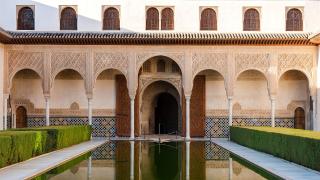
Accommodation should be strategically located to minimize transit time. In Madrid, staying in the central districts is recommended for easy access to major museums like the Prado. In Seville and Granada, staying within the historic centers allows for easy access to key landmarks such as the Alhambra and the Alcazaba. Given the frequent movement between cities, it is advisable to pack light, carrying only essential items to facilitate easy transitions between hotels.
Budget considerations should account for the cost of high-speed train tickets, which should be booked in advance to secure better rates. Additionally, reserve tickets for major attractions like the Alhambra, Sagrada Familia, and major museums well in advance, as they often sell out. Be mindful of local dining customs, such as later meal times, and budget for tapas and regional cuisine as part of the cultural experience. This approach ensures a balanced itinerary that covers major highlights while respecting local rhythms.