






AI-generated illustration
10-day itinerary
Spain First-Timer's Guide
10 days covering Madrid, Andalusia, and Barcelona
- Length
- 10 days
- Pace
- Challenging
- Estimated cost
- €600 per person
- Based in
- Spain
Practical information
For a ten-day trip, the optimal time to visit Spain is during the shoulder seasons of spring (April to June) or autumn (September to October). These periods offer mild, pleasant weather ideal for walking, avoiding the extreme heat and crowds of July and August. While summer offers vibrant festivals, the high temperatures in regions like Andalusia can be uncomfortable for extensive sightseeing.
Logistically, the most efficient route for a first-time visitor is an open-jaw itinerary: flying into Madrid and departing from Barcelona. This allows for a seamless loop through the country’s major cultural hubs. Between cities, high-speed AVE trains are the preferred mode of transport, offering a comfortable and efficient alternative to domestic flights, which are often more expensive and time-consuming due to airport security procedures. Within cities, Madrid and Barcelona are highly walkable, and both cities offer robust public transit systems, including metro and bus networks, to reach specific attractions.
When selecting accommodation, prioritize central locations to minimize transit time. In Madrid, staying in the Centro or Malasaña districts provides easy access to major sites like the Prado Museum and the Royal Palace. In Seville, the historic center, particularly near the Alcázar, offers an immersive atmosphere. Booking these accommodations well in advance is crucial, especially during peak tourist seasons, to secure better rates and availability.
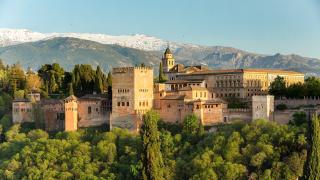
Budgeting should account for the fact that while Spain is generally affordable compared to other Western European destinations, costs can vary significantly by region and season. Major cities like Madrid and Barcelona are more expensive, particularly for dining and accommodation. It is advisable to budget for a mix of mid-range restaurants and local tapas bars, which offer excellent value. Additionally, consider the cost of entry fees for major attractions such as the Alhambra in Granada, which often requires advance booking and may have separate ticketing structures.
Packing should focus on versatility. Lightweight, breathable clothing is essential for the warm climate, but include a light jacket or sweater for cooler evenings, especially in spring and autumn. Comfortable walking shoes are mandatory, as many historic sites involve significant walking on cobblestone streets. Additionally, carry a reusable water bottle, as tap water is safe to drink in most urban areas, and include a small day bag for daily excursions.