




AI-generated illustration
1-day itinerary
One Day in El Hierro
Explore El Hierro's volcanic landscapes and natural pools in one day
- Length
- 1 day
- Pace
- Easy
- Estimated cost
- €60 per person
- Based in
- El Hierro
Practical information
El Hierro is the westernmost and southernmost of the Canary Islands, offering a tranquil escape distinct from the busier tourist hubs. The optimal time to visit is between April and October, when temperatures are warm and stable, though the island remains pleasant year-round due to its mild climate. While the weather is generally sunny, the northern and western parts of the island can be foggy, particularly in the morning, so checking local forecasts is advisable.
Accessing the island requires a multi-step journey. There are no direct international flights; travelers must first fly to Tenerife or Gran Canaria. From there, a short, approximately 30-minute flight connects to El Hierro’s small airport. Alternatively, ferries operate from these islands, though this option is significantly slower. Upon arrival, public transportation is limited, making the rental of a car the most practical and flexible way to explore the island. The island is small, but roads can be narrow and winding, so an experienced driver is recommended.
Accommodation on El Hierro differs from typical resort areas. The island lacks large hotel chains, favoring rural properties, rural hotels (*casas rurales*), and small guesthouses. It is essential to book these in advance, especially during peak seasons, as options are limited. Staying in the central areas, such as El Pico or El Pinar, provides convenient access to both the north and south coasts.
Budget considerations should account for the higher cost of imported goods, which is typical for all Canary Islands. While basic provisions are affordable, dining out and specialized services can be more expensive. It is wise to budget for car rental, which is a necessity for most visitors, and to purchase groceries in larger towns like El Pico or El Pinar for self-catering.
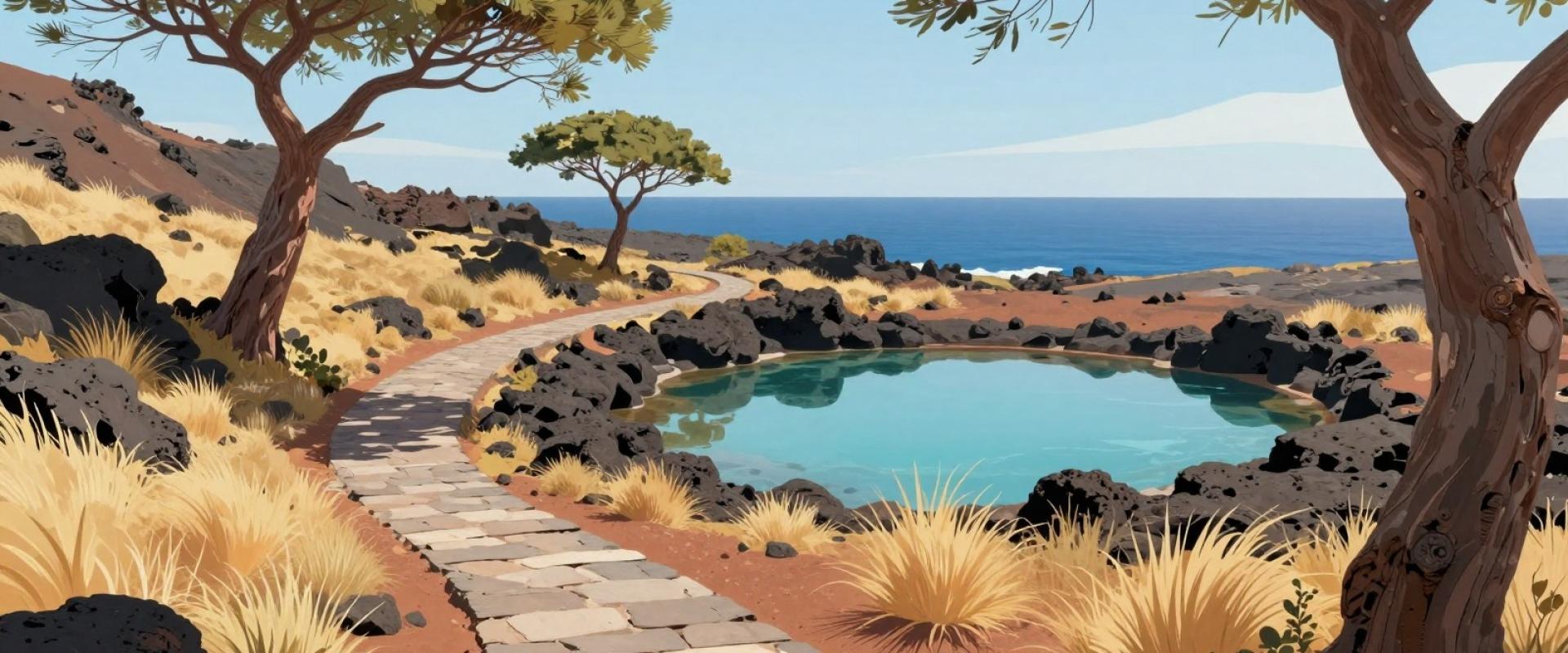
When packing, prioritize practical clothing suitable for variable weather. Layers are essential, as temperatures can drop, especially in the higher, foggy areas. Sturdy walking shoes are necessary for hiking the island’s diverse trails, including the *Ruta del Agua* and the coastal paths. Additionally, bring swimwear for the natural volcanic pools, such as Charco Azul and Charco de los Sargos, which are popular for swimming. Sun protection is crucial, as the sun can be intense. Finally, while mobile internet is available, it can be spotty in remote areas, so downloading offline maps and guides is recommended. This preparation ensures a smooth and enjoyable experience, allowing you to fully appreciate the island’s unique natural beauty and tranquility.