
History
El Hierro, whose name translates to "Iron Island," holds a distinct place in the geological and cultural history of the Canary Islands. Geologically, it is the youngest of the archipelago, having emerged from the Atlantic Ocean floor approximately 1.1 million years ago. This volcanic origin has shaped not only its dramatic topography but also its resilient spirit. Historically, the island’s isolation fostered a self-sufficient community deeply connected to the land and sea. The capital, Valverde, serves as the historic heart of the island, perched on a hillside that offers strategic views of the surrounding landscape. While the island has maintained its traditional Canarian identity, recent years have seen a surge in international attention, partly driven by popular media such as the TV series "Hierro," which has highlighted its authentic, slow-paced lifestyle. Despite this growing visibility, the island has managed to preserve its core values of community and tranquility, resisting the mass tourism trends seen in neighboring islands.
Main Attractions
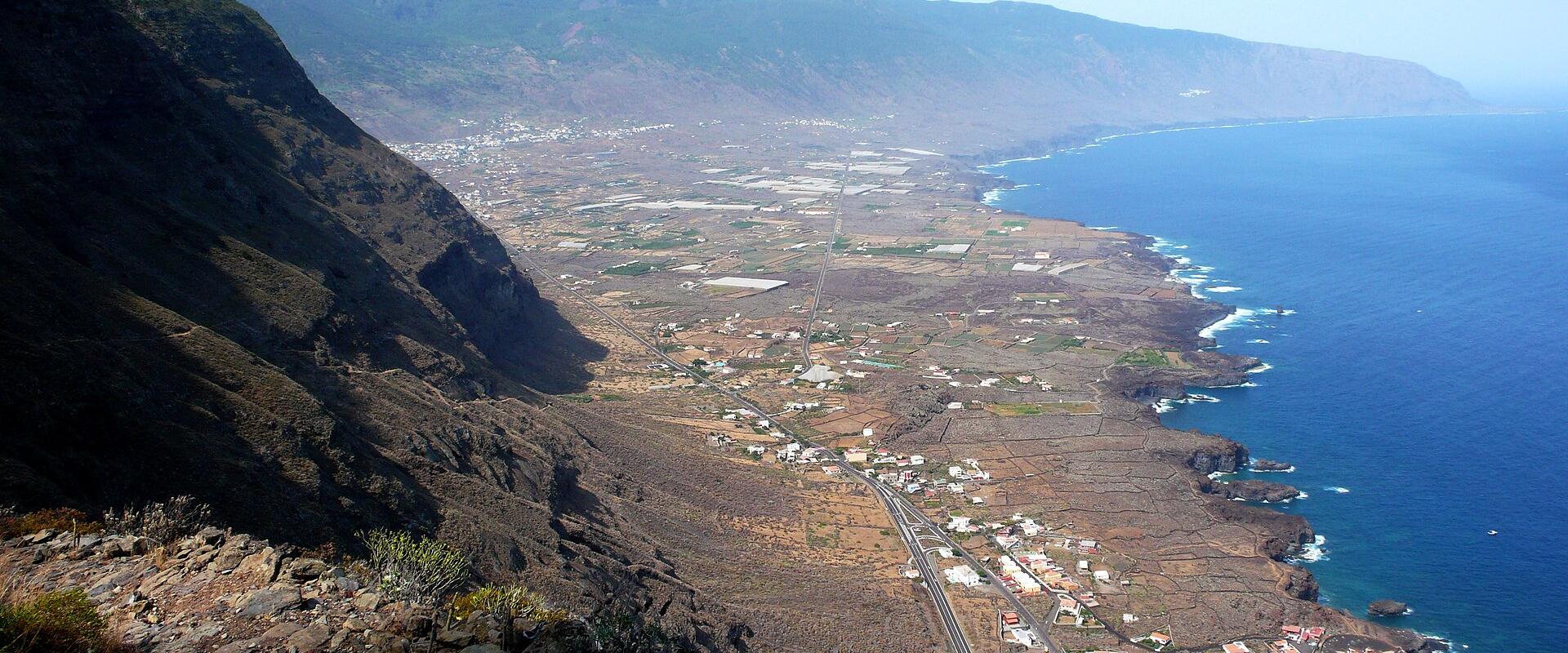
The primary allure of El Hierro lies in its pristine natural environment, designated as a UNESCO Biosphere Reserve. The landscape is a striking contrast of rugged volcanic cliffs, lush subtropical forests, and fertile agricultural fields. A standout feature is the network of natural swimming pools, such as Charco Azul and Charco Manso, where crystal-clear turquoise waters are protected from ocean waves by volcanic rock formations, offering safe and serene swimming experiences. The island’s interior is equally captivating, with the Isora viewpoint providing panoramic vistas of the northern coast and the dense pine forests that cloak the central mountains. The volcanic terrain itself is a major attraction, with over 800 volcanic vents scattered across the island, making it the most volcanically dense area in the Canaries. These geological features create a surreal, almost otherworldly atmosphere that appeals to nature lovers and photographers alike.
Activities
El Hierro is a haven for outdoor enthusiasts, particularly divers. The island is widely recognized as one of Europe’s premier diving destinations, thanks to its clear waters, rich marine biodiversity, and underwater lava formations. Divers can explore numerous sites that require at least a week to fully appreciate, with visibility often exceeding 20 meters. Beyond diving, the island offers excellent opportunities for hiking, with well-marked trails leading through pine woods, volcanic craters, and coastal paths. Paragliding is another popular activity, allowing visitors to soar above the dramatic cliffs and enjoy breathtaking aerial views. For those interested in culture, exploring the traditional villages and local markets provides insight into the island’s agricultural heritage. Visitors can sample local cuisine, including fresh fish, wrinkled potatoes with mojo sauce, and handmade cheeses, often produced by small-scale family farms.
Getting There
Reaching El Hierro requires a bit of planning due to its remote location. The most common route involves flying to either Tenerife or Gran Canaria and then taking a ferry from Puerto de la Estaca. Ferries operate regularly, though schedules can vary by season, so booking in advance is advisable. Alternatively, there are daily flights from Madrid and other major Spanish cities to Valverde Airport, although these flights often connect through Tenerife. Once on the island, public transportation is limited, so renting a car is highly recommended for exploring the various attractions and villages at your own pace. The island is small, with a maximum length of under 50 kilometers, making it manageable to navigate even without a car for short stays, but a vehicle significantly enhances the experience.
Best Time to Visit
El Hierro enjoys a mild, subtropical climate year-round, making it a viable destination for any time of the year. The summer months offer warm, sunny weather ideal for swimming and diving, while the winter months provide cooler temperatures perfect for hiking and exploring the interior landscapes. Spring and autumn are particularly pleasant, with comfortable temperatures and fewer crowds. Since the island is a UNESCO Biosphere Reserve, environmental considerations are paramount; visiting during the shoulder seasons can help minimize impact on local ecosystems while still allowing for a rich and rewarding experience. Whether seeking adventure or relaxation, El Hierro offers a unique escape into nature’s raw beauty.
Best time to visit
May through October offers warm, dry weather with minimal rainfall for optimal exploration.
What to see in El Hierro
Our picks first.
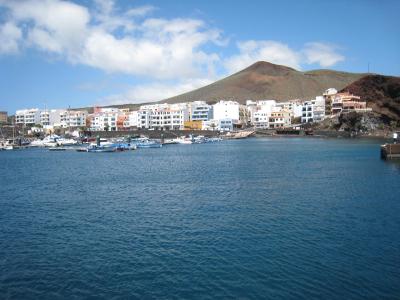
Playa de la Restinga
Beaches · Coastal Views
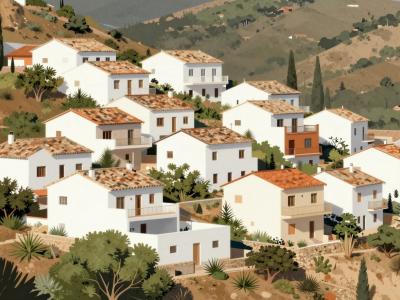
El Pinar de El Hierro
Nature & Outdoors · Urban Exploration
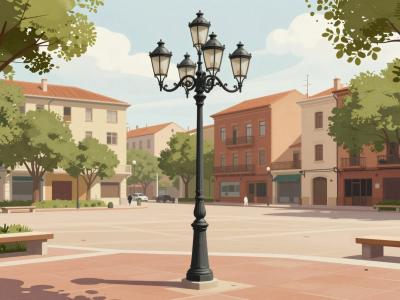
Valverde Town Square (Plaza de la Constitución)
Historic Heritage · Urban Exploration
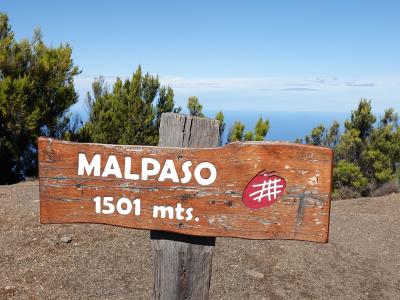
Malpaso Canyon
Malpaso Ridge
Nature & Outdoors
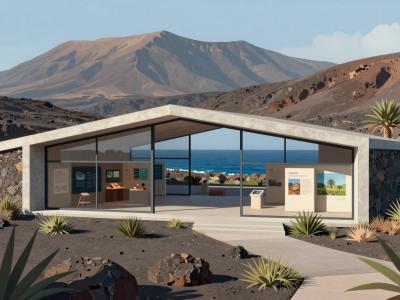
El Hierro Biosphere Reserve Visitor Center
Museums & Culture · Nature & Outdoors
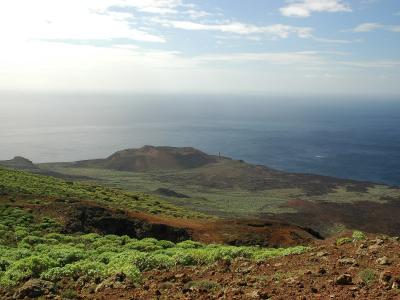
Lighthouse of El Hierro (Faro de El Hierro)
Historic Heritage · Coastal Views
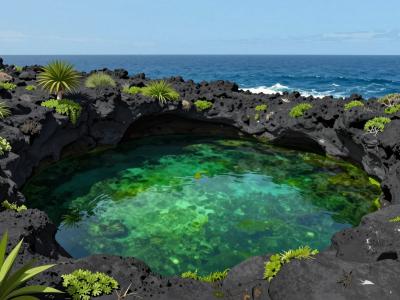
El Golfo Lagoon and Palm Grove
Free Coastal Views · Geological Sites
El Hierro by interest
The same sights, grouped by what you came for.
Did you know?
Checked facts about El Hierro, each with its source.
-
Film & TV
El Hierro is the 'Meridian Island'
The island is nicknamed 'Isla del Meridian' (Meridian Island), a moniker that reflects its unique geographical position as the westernmost point of the Canary Islands, located at the edge of the Atlantic.
Source: www.abbreviations.com -
Film & TV
Home to the TV series 'Hierro'
The island served as the primary filming location for the Spanish thriller series 'Hierro', which was created by Pepe Coira and directed by Jorge Coira, earning the location the 'Best European Film Location' award in 2019.
Source: eufcn.com
Planning a visit to El Hierro
Itineraries that include El Hierro
Good to know
- Currency
- EUR
- Language
- Spanish
Quick Facts
Book your stay
Questions people ask
More places in Canary Islands
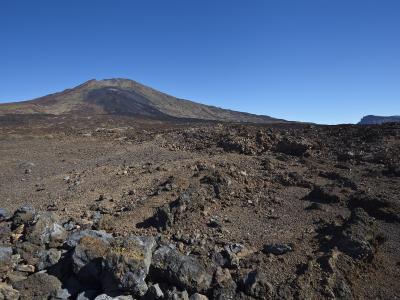
Canary Islands
Tenerife
Volcanic island with Spain's highest peak
Canary Islands
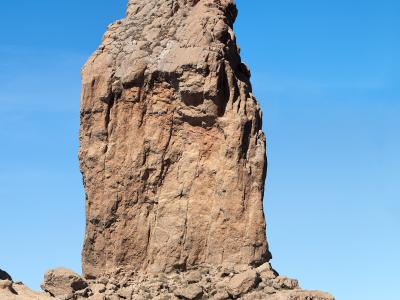
Gran Canaria
Volcanic island with diverse landscapes and iconic rock formations
Canary Islands
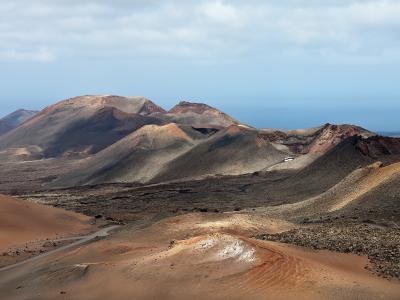
Lanzarote
Volcanic island with unique landscapes and protected natural parks
Canary Islands
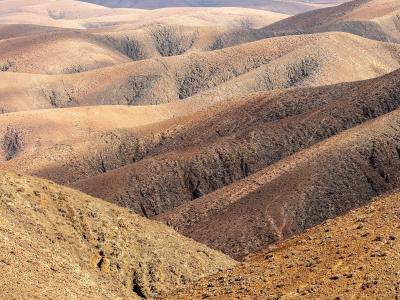
Fuerteventura
Canary Island with vast sand dunes and surfing