
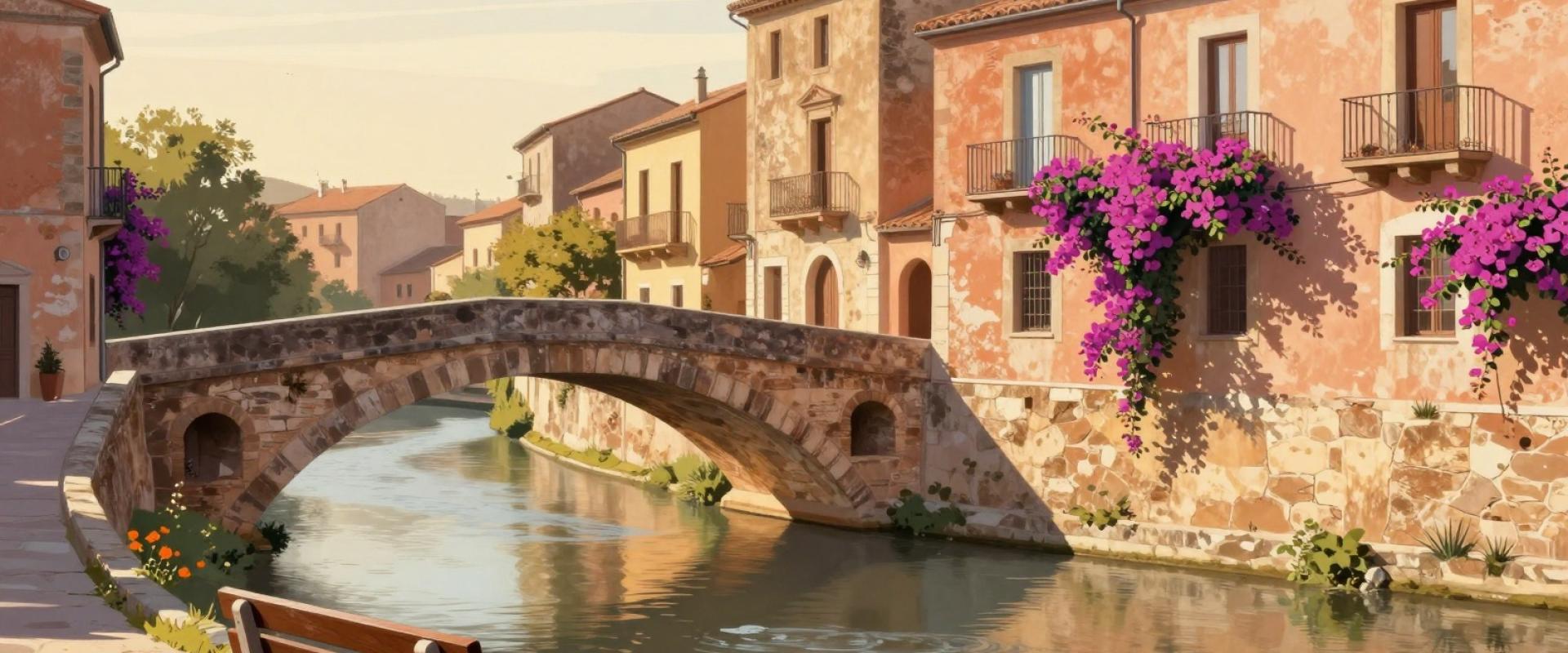
AI-generated illustration
1-day itinerary
One Day in Zamora
Romanesque heritage and riverside views in one day
- Length
- 1 day
- Pace
- Easy
- Estimated cost
- €60 per person
- Based in
- Zamora
Practical information
Zamora is best visited during the spring (April to June) or autumn (September to October). These seasons offer mild, pleasant weather ideal for walking, avoiding the extreme heat and crowds of July and August. The compact nature of the historic center makes it highly walkable, allowing visitors to explore the Romanesque churches and medieval streets on foot. However, the surrounding plains and rural areas, such as the nearby San Pedro de la Nave, are best accessed by car. For those arriving by public transport, Zamora is accessible via train from major hubs like Madrid and Valladolid, though services can be infrequent, so checking schedules in advance is essential.
Accommodation is concentrated in the historic center, offering convenient access to the main attractions. Staying in the old town allows for easy exploration of the cathedral quarter and the Plaza Mayor. While the city is small, booking in advance is recommended, especially during the spring and autumn peak seasons, to secure the best rates.
Budget considerations should account for the fact that while entry to many churches is free, some major sites like the Zamora Cathedral may charge a small fee. Dining costs are generally moderate, with local tapas bars offering affordable options. It is advisable to budget for a mix of casual tapas bars, such as local favorites, and one or two sit-down meals at traditional restaurants to fully experience the local cuisine, including local wines and regional specialties like Zamorano cheese.
When packing, bring comfortable walking shoes, as the historic streets are often paved with cobblestones. Given the variable weather, especially in the spring and autumn, layering is recommended. Include a light jacket or sweater for cooler evenings and a rain jacket, as weather can change quickly. Sunscreen and a hat are also recommended for the hot, sunny days typical of the region. Additionally, carry a small amount of cash, as some smaller establishments may not accept credit cards.
Important tips for travelers include respecting the quiet atmosphere of the historic center, especially in the early morning and late evening. When visiting religious sites, dress modestly, covering shoulders and knees. It is also advisable to check the opening hours of specific churches, as some may close during siesta or have limited visiting hours. Finally, consider taking a local guide for a deeper understanding of the historical and cultural significance of the Romanesque architecture, enhancing the overall experience of this unique destination.