
History
The history of Zamora is deeply rooted in its strategic position as a frontier town during the Reconquista. The city’s name is believed to derive from the Roman Vippa or the Visigothic Villarejo, reflecting its ancient origins. As the Christian kingdoms expanded southward, Zamora became a crucial defensive stronghold on the border between Christian and Moorish territories. This strategic importance led to the construction of the castle, which served as a military fortress and a symbol of Christian power. The city’s history is also marked by its role in the repopulation of the region, with many of its churches built in the 11th and 12th centuries to serve the growing population. This historical layering is evident in the city’s architecture, where Romanesque, Gothic, and Renaissance styles coexist.
Main Attractions
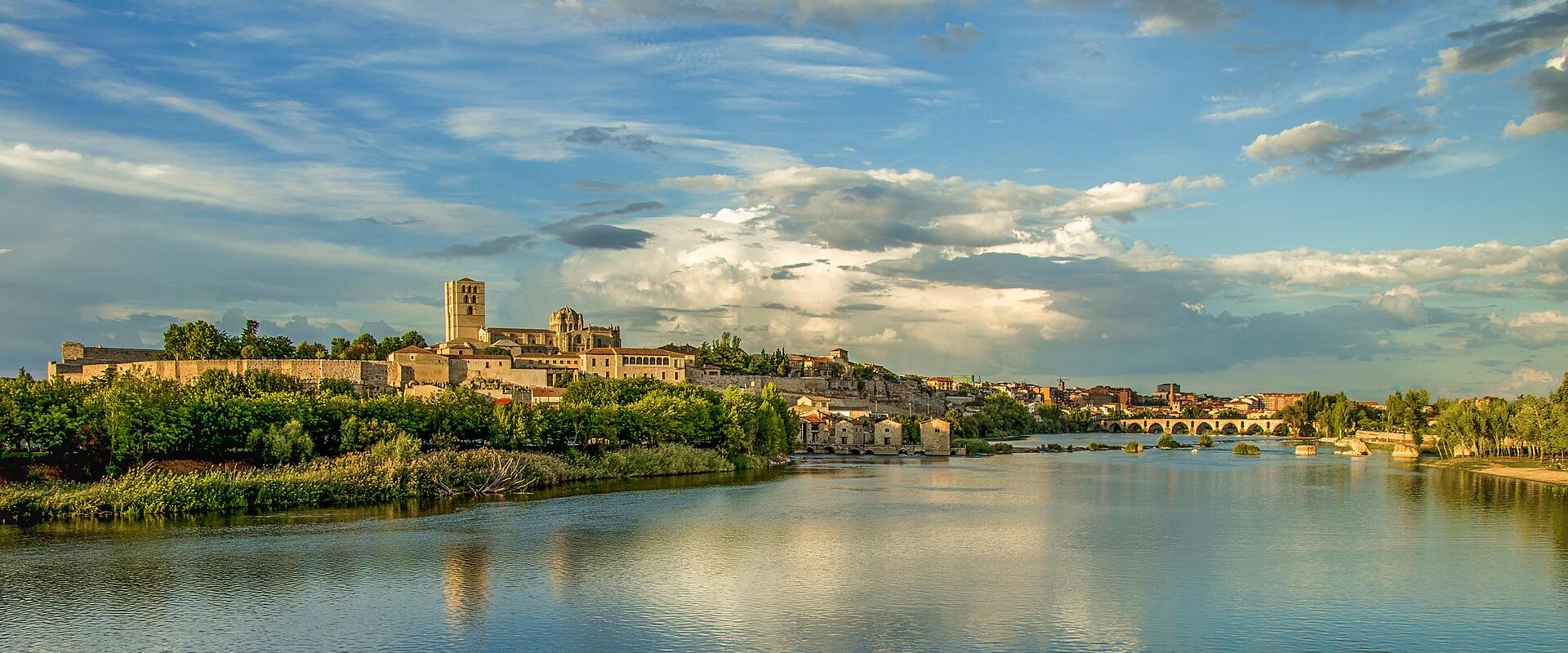
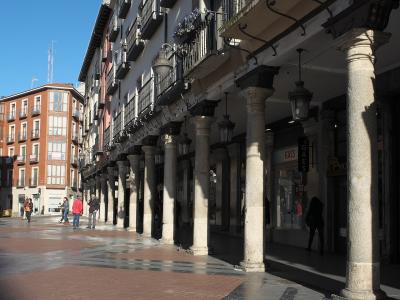
The primary attraction in Zamora is the concentration of Romanesque churches, often referred to as the "Romanesque Capital of the World." The city is home to over 20 Romanesque churches, many of which date back to the 11th and 12th centuries. The most prominent is the Cathedral of San Vicente, a masterpiece of Romanesque architecture with intricate stone carvings and a stunning facade. Another key site is the Castle of Zamora, a medieval fortress that offers panoramic views of the city and the Douro River. The Plaza Mayor, the heart of the city, is surrounded by historic buildings and is a popular spot for locals and visitors alike. The Church of San Juan de los Caballeros is another notable site, known for its beautiful facade and historical significance.
Activities
Visitors to Zamora can engage in a variety of activities that highlight the city’s rich cultural heritage. Walking tours are a popular way to explore the city, allowing visitors to appreciate the intricate details of the Romanesque architecture. The city’s compact size makes it easy to explore on foot, with many of the historic sites located within a short distance of each other. For those interested in nature, the surrounding area offers opportunities for hiking and exploring the natural landscapes of the Castile and León region. The local cuisine is also a highlight, with traditional dishes such as cochinillo (roast suckling pig) and churrasco (grilled meat) available in many local restaurants.
Getting There
Zamora is well-connected by road and rail. The city is located approximately 200 kilometers from Madrid, with regular train services connecting the two cities. The train station in Zamora is centrally located, making it easy to access the city’s main attractions. For those traveling by car, the A-62 highway provides easy access to the city from Madrid and other major cities in the region. Public transportation, including buses, is also available, providing convenient options for getting around the city.
Best Time to Visit
The best time to visit Zamora is during the spring (April to June) and autumn (September to October) months. During these periods, the weather is mild and pleasant, with temperatures ranging from 15°C to 25°C, making it ideal for exploring the city on foot. The summer months can be hot, with high temperatures, while the winter months can be cold, with occasional frost. Visiting during the shoulder seasons allows for a more comfortable experience, with fewer crowds and lower accommodation prices. It is advisable to book accommodation in advance, especially during the peak tourist season.
Best time to visit
May through September offers warm, dry weather ideal for exploring the city.
What to see in Zamora
Our picks first.
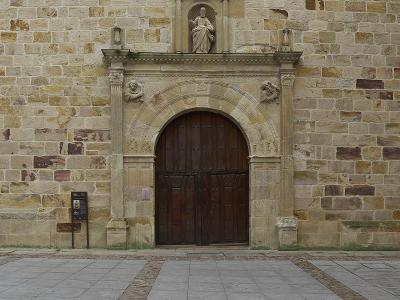
Iglesia de San Andrés
Architectural Heritage · Historic Churches
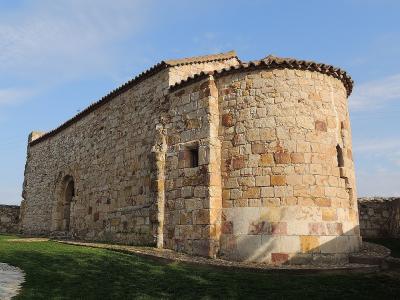
Iglesia de Santiago
Architectural Heritage · Historic Churches
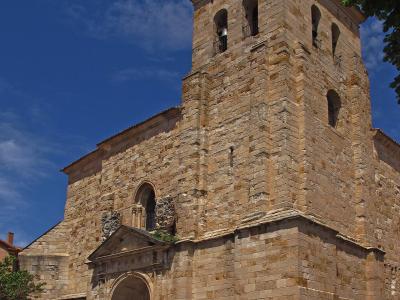
Iglesia de San Ildefonso
Architectural Heritage · Historic Churches
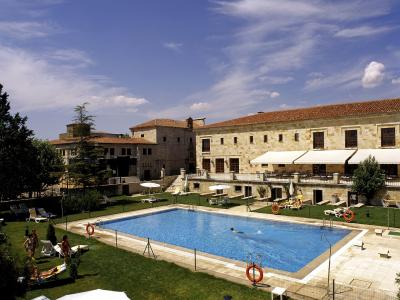
Parador de Zamora
Historic Heritage · Urban Exploration
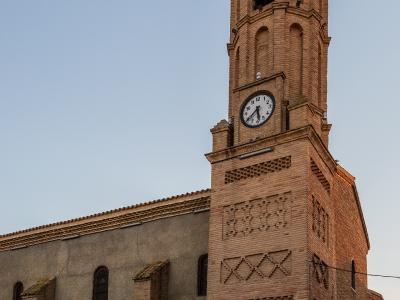
Iglesia de San Pedro Mártir
Historic Churches · Historic Districts
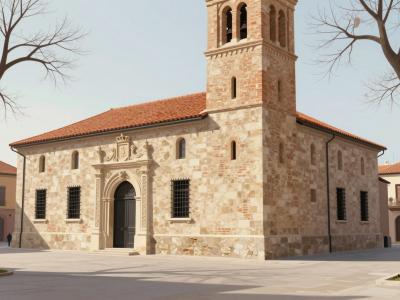
Iglesia de San Juan de los Caballeros
Architectural Heritage · Historic Churches
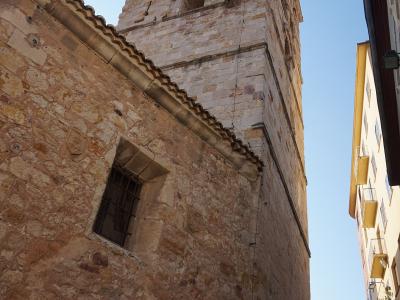
Iglesia de San Vicente
Architectural Heritage · Historic Churches
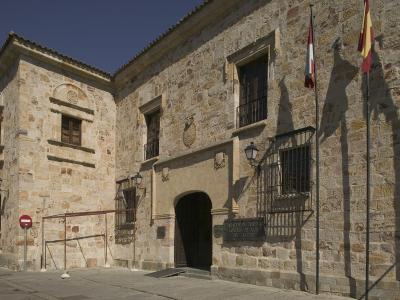
Alcázar de los Condes de Zamora
Architectural Heritage · Historic Houses
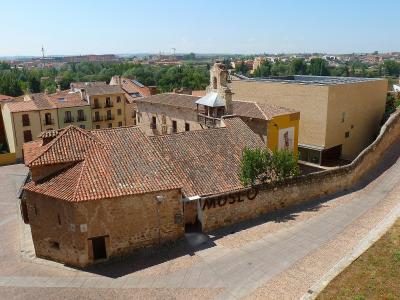
Museo de Zamora
Historic Heritage · Museums & Culture
Zamora by interest
The same sights, grouped by what you came for.
- Architectural Heritage
- Iglesia de San Andrés Iglesia de Santiago Iglesia de San Ildefonso Iglesia de San Juan de los Caballeros Iglesia de San Vicente Alcázar de los Condes de Zamora
- Historic Churches
- Iglesia de San Andrés Iglesia de Santiago Iglesia de San Ildefonso Iglesia de San Pedro Mártir Iglesia de San Juan de los Caballeros Iglesia de San Vicente
Did you know?
Checked facts about Zamora, each with its source.
-
Notable Person
Alfonso IX: The King Who Married His Niece
Alfonso IX of León, born in Zamora, is a notable historical figure known for his complex personal life, which included a marriage to his first cousin, Berengaria of Castile. This union, though initially annulled by the Pope, highlights the complex political and familial dynamics of the medieval Iberian peninsula.
Source: pantheon.world
Planning a visit to Zamora
Itineraries that include Zamora
Good to know
- Currency
- EUR
- Language
- Spanish
Quick Facts
Book your stay
Questions people ask
More places in Castile and León
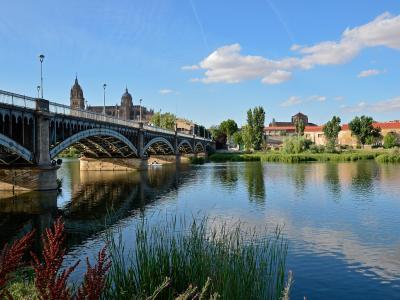
Castile and León
Salamanca
Castilian city with two historic cathedrals
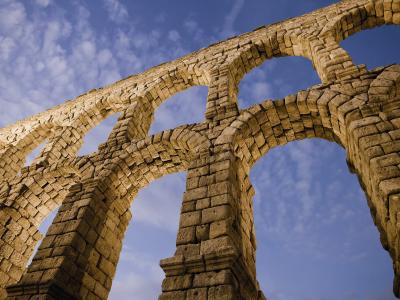
Castile and León
Segovia
Castilian city with Roman aqueduct and fairy-t castle
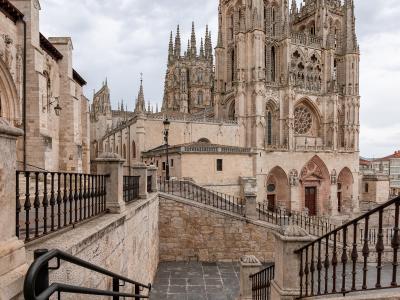
Castile and León
Burgos
Medieval cathedral city on the Camino de Santiago
Castile and León
Valladolid
Castilian university city with historicist architecture