







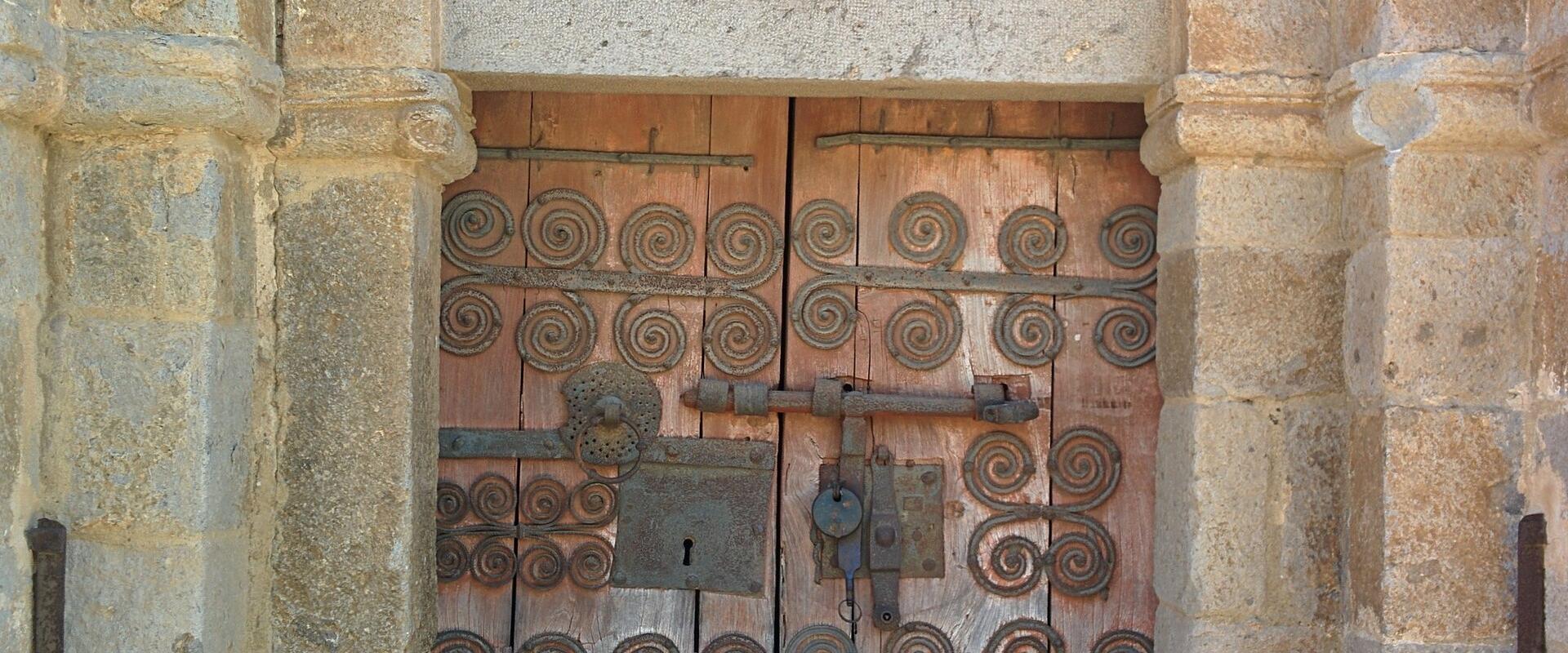
Arco de Fluvià
- Admission
- Free
- Where
- Girona, Catalonia
- Directions
- Directions
The Arco de Fluvià is listed in this guide as a historic arch in Girona, and very little reliable information about it is available, so this description concentrates on the setting and the type of monument rather than on specific dates and features that cannot be confirmed. Some descriptions call it a remnant of Girona’s medieval defences, and others call it a Roman arch, and in the absence of clear evidence the safest statement is that its origin is uncertain. Anyone planning a visit should ask at the Girona tourist office for its exact location and history.
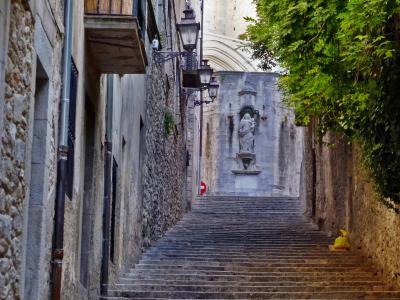
What can be said with confidence is that Girona, in Spain, has an exceptional heritage of walls and gates. The city was founded by the Romans as Gerunda, on a hill above the confluence of the Onyar and Ter rivers, in the first century BC, and from the beginning it was fortified. The Roman wall was rebuilt and extended in the Middle Ages, and a long stretch of it survives. The best-known part is the Passeig de la Muralla, a walkway along the top of the old walls on the eastern side of the old town, which gives views over the red roofs, the cathedral, the Basilica of Sant Feliu and the plain beyond. A path through a garden follows the wall to a tower, and the walk takes about forty minutes. Towers such as the Torre Gironella, on the hill of Montjuïc, are survivals of the city’s defences, and gateways and fragments of masonry are scattered through the streets.
The city’s strategic importance was reflected in the number of times it was besieged. Girona stood on the main route between France and the Iberian interior, and armies from the Franks to Napoleon’s troops attacked it, so that it earned the nickname of the city of a thousand sieges. This history explains why walls and gateways are such a visible feature of the old town, and why even small fragments, such as an arch, are valued as pieces of the story.
An arch in the walls was normally a gate, a point of entry and control, with a door and perhaps a defensive tower, and later arches were sometimes left standing after the surrounding walls had been removed, so that they now stand as isolated monuments in the streets. Such features reward a slow walk, and the old town of Girona is compact enough to explore on foot in a day.
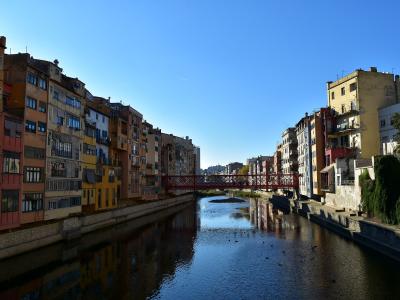
The monument is described as free to view, and as it is an outdoor structure, it can be visited at any time. It sits within walking distance of the Onyar River Houses, the Girona Cathedral, the Jewish Quarter of El Call and the Basilica of Sant Feliu. Check locally for its precise position before setting out.
Categories
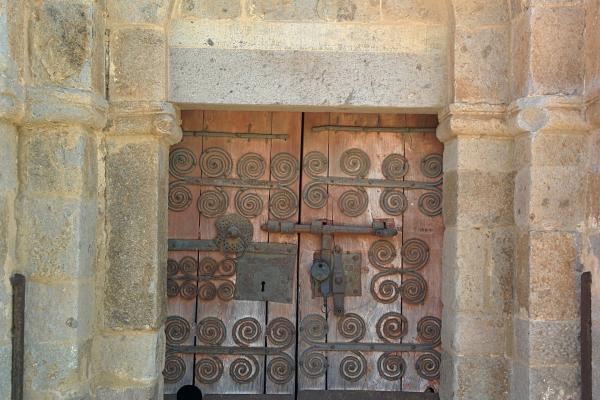
More photos coming soon
Admission Fees
- Admission
- Free
Hours and prices change, especially out of season. Check with the venue before you go.
Nearby Attractions
Other places to visit in Girona
Questions people ask
Quick Facts
Best Time to Visit
May through October offers warm, dry weather ideal for exploring the city.