







Barrio Santa Cruz
- Admission
- Free
- Hours
- Open 24 hours (neighborhood is accessible at all times)
- Where
- Seville, Andalusia
- Directions
- Directions
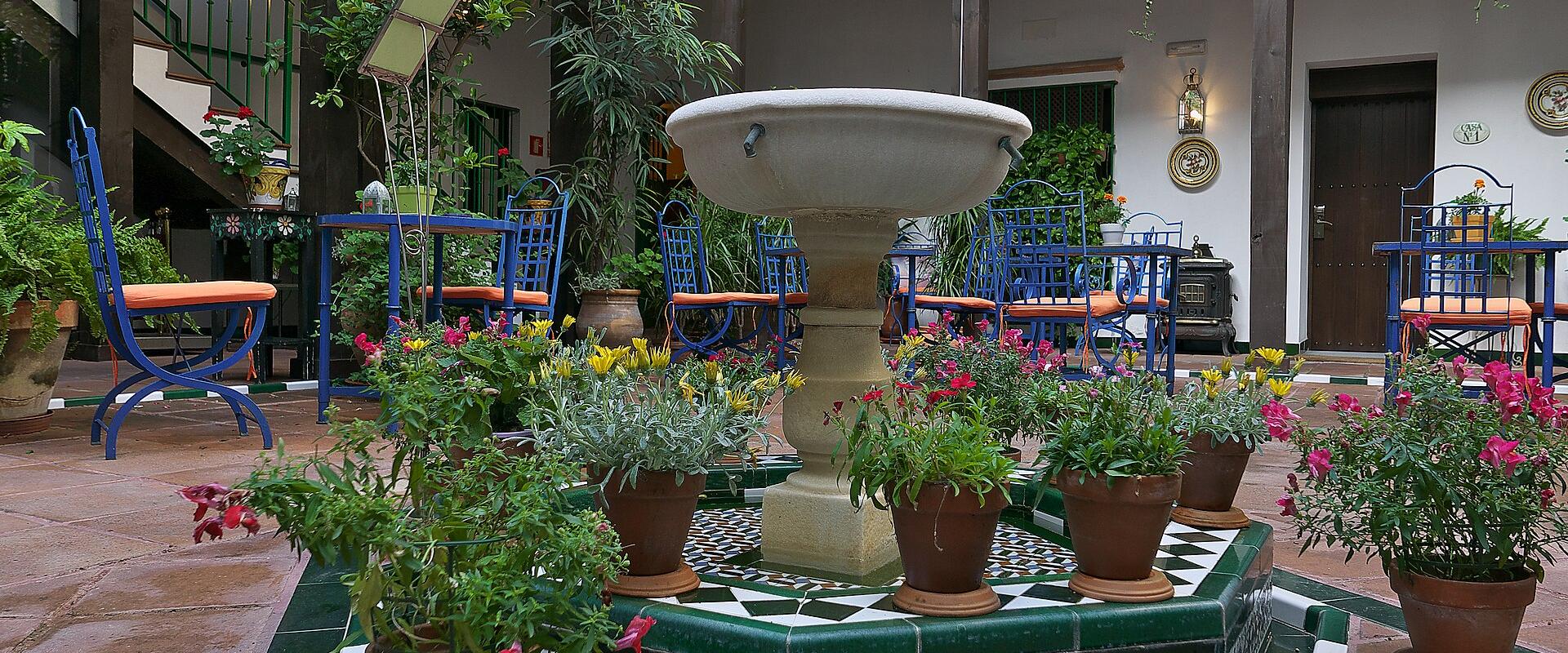
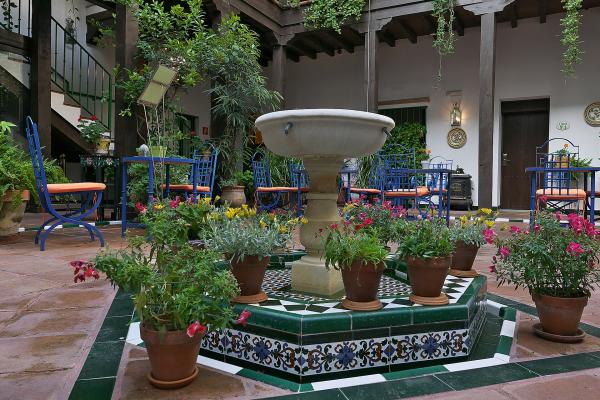
Barrio Santa Cruz is the old quarter of Seville that lies just east of the Royal Alcázar, and it is the part of the city most people picture when they think of white walls, orange trees and flower-hung balconies. It occupies the former judería, the Jewish quarter, which was one of the largest in Castile until the violent attacks of 1391 emptied it. After that, the area was rebuilt and filled with noble houses, convents and small squares, and by the twentieth century it had become a fashionable district with a romantic reputation. The Andalusian houses here are built around interior patios, and glimpses through ironwork gates reveal tiled courtyards with fountains and plants.
The street plan is a maze of narrow lanes that were deliberately kept winding to give shade in the long summer. Getting lost is part of the pleasure, but a few landmarks help. The easiest entrance is from the Plaza del Triunfo, between the cathedral and the Alcázar, then along Calle Judería and into the lanes beyond. The Plaza de Santa Cruz, with an ornate wrought-iron cross, marks the site of a church that was demolished in the early nineteenth century, and the painter Murillo was buried there. Callejón del Agua runs beside the old Alcázar wall, and the Jardines de Murillo, a landscaped garden, lie alongside. Nearby, the Hospital de los Venerables is a baroque building that houses an art collection. The tiny Plaza de Doña Elvira, with benches under orange trees, is a typical corner, and Calle Susona carries a local legend about a Jewish woman who warned Christian friends about a conspiracy.
A different side of the quarter appears in the evening. Small bars serve tapas such as fried fish and local ham, and music drifts from open doors. In spring, the scent of orange blossom, called azahar, fills the lanes. The area is lively with a mix of local residents and visitors, but it remains residential, and there are quiet corners just a few steps from the busiest routes.
Entry is free and the streets are open at all times, though they are best explored in daylight, when the sun shows off the whitewash and the tiles. Early morning is the quietest time for photographs, and midday in summer is very hot.
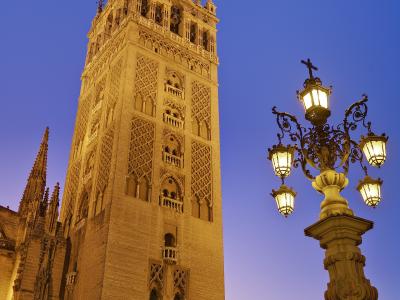
The neighbourhood links easily with the other main sights nearby: the Casa de Pilatos, Seville Cathedral and the Giralda tower, and the Flamenco museum are all within a few minutes’ walk. Comfortable shoes are essential, since the paving is uneven.
Categories
More photos coming soon
Hours & Fees
- Open
- Open 24 hours (neighborhood is accessible at all times)
- Admission
- Free
Hours and prices change, especially out of season. Check with the venue before you go.
Questions people ask
Quick Facts
Best Time to Visit
April to June and September to October offer mild, pleasant weather ideal for sightseeing.